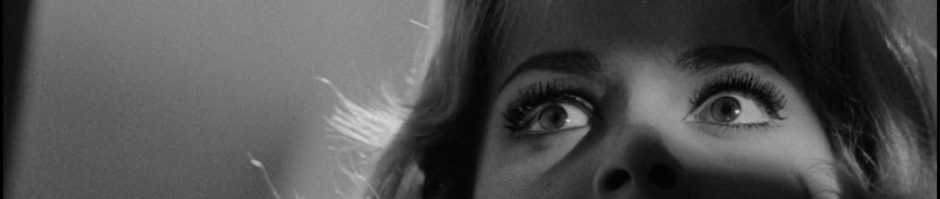
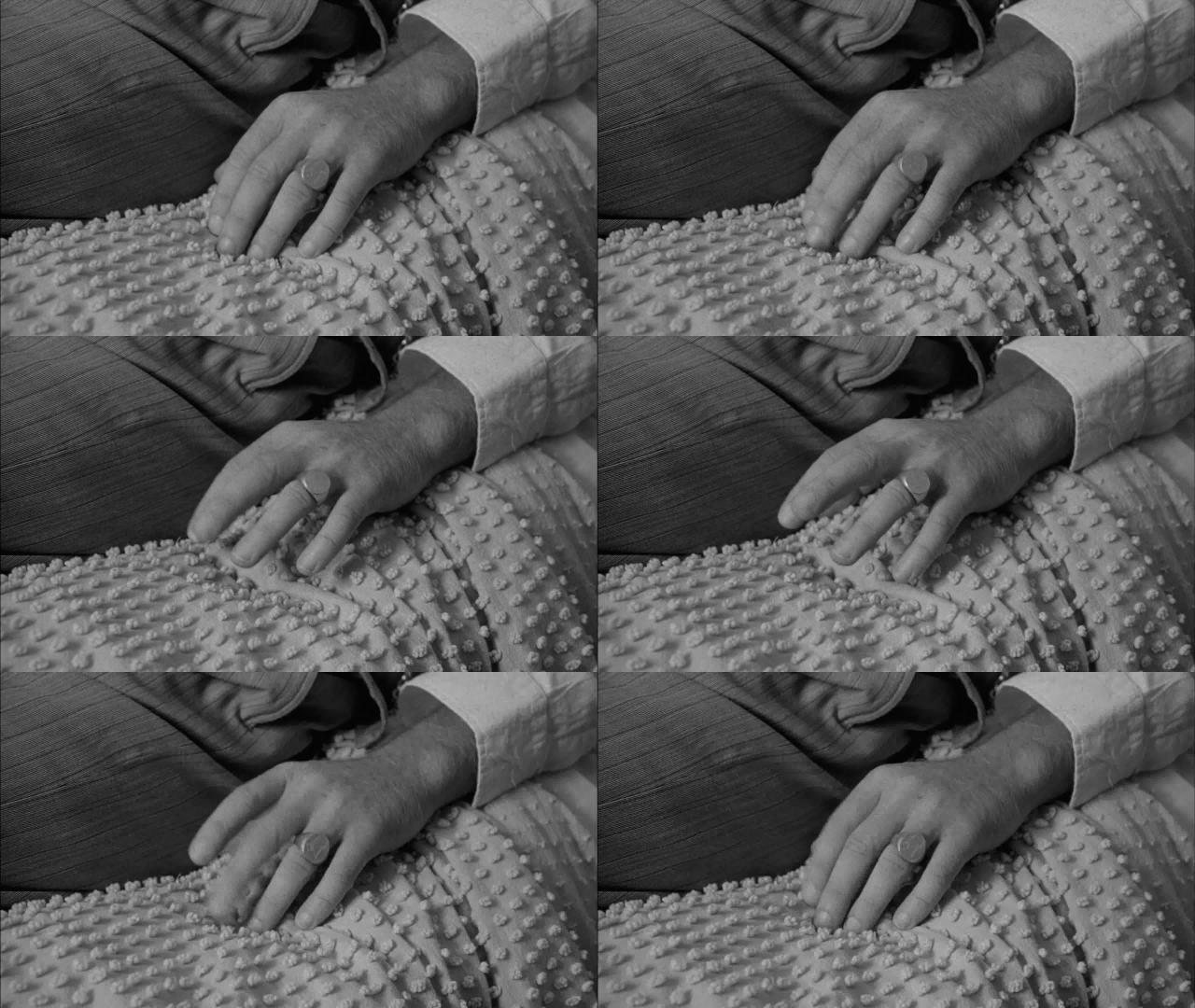
I know you’ve been drumming your fingers impatiently for my next blog post highlighting episode 15 of THE Family Pictures Podcast, but I’VE BEEN BUSY! Nonetheless, it’s time to dig into one of my favorite episodes that’s all about the 1973 comedy Paper Moon directed by Peter Bogdanovich starring father-daughter duo Ryan and Tatum O’Neal. Neither Michael nor I watched this film before we decided to talk about it, and it was a revelation. I’d seen this VHS/DVD in video stores innumerable timed over the years, but given the title was impenetrable, it was filmed in black and white, set in the 1930s, and starring Ryan O’Neal whose time had come and gone meant I never took the jump.
But having finally watched the movie I’m now a big fan. The interplay between Ryan and Tatum on screen is magic, even if it might have been just the beginning of their struggles off-screen. In many ways this film is a wandering road movie wherein Addie (Tatum O’Neal) and Mose (Ryan O’Neal) go from grift to grift before orphaned Addie is dropped off at her Aunt’s house. The joy of the film is watching their relationship blossom as they start to work together and get to know one another. Given biographical details like her parents’ divorce, her mom’s addiction, and the resulting strained relationship with her dad, it’s hard not to imagine art imitating life on-screen.

Addie and Mose on the road in Paper Moon
How much were father and daughter actually getting to know and understand one another while making this movie? How much of that contributed to the subsequent strain and pain in their relationship afterwards? A 10-year old Tatum won the coveted Oscar for her performance in Paper Moon (still the youngest to do so), meaning she surpassed her superstar father at his own trade in her first movie, what new strains for their relationship might that introduce?
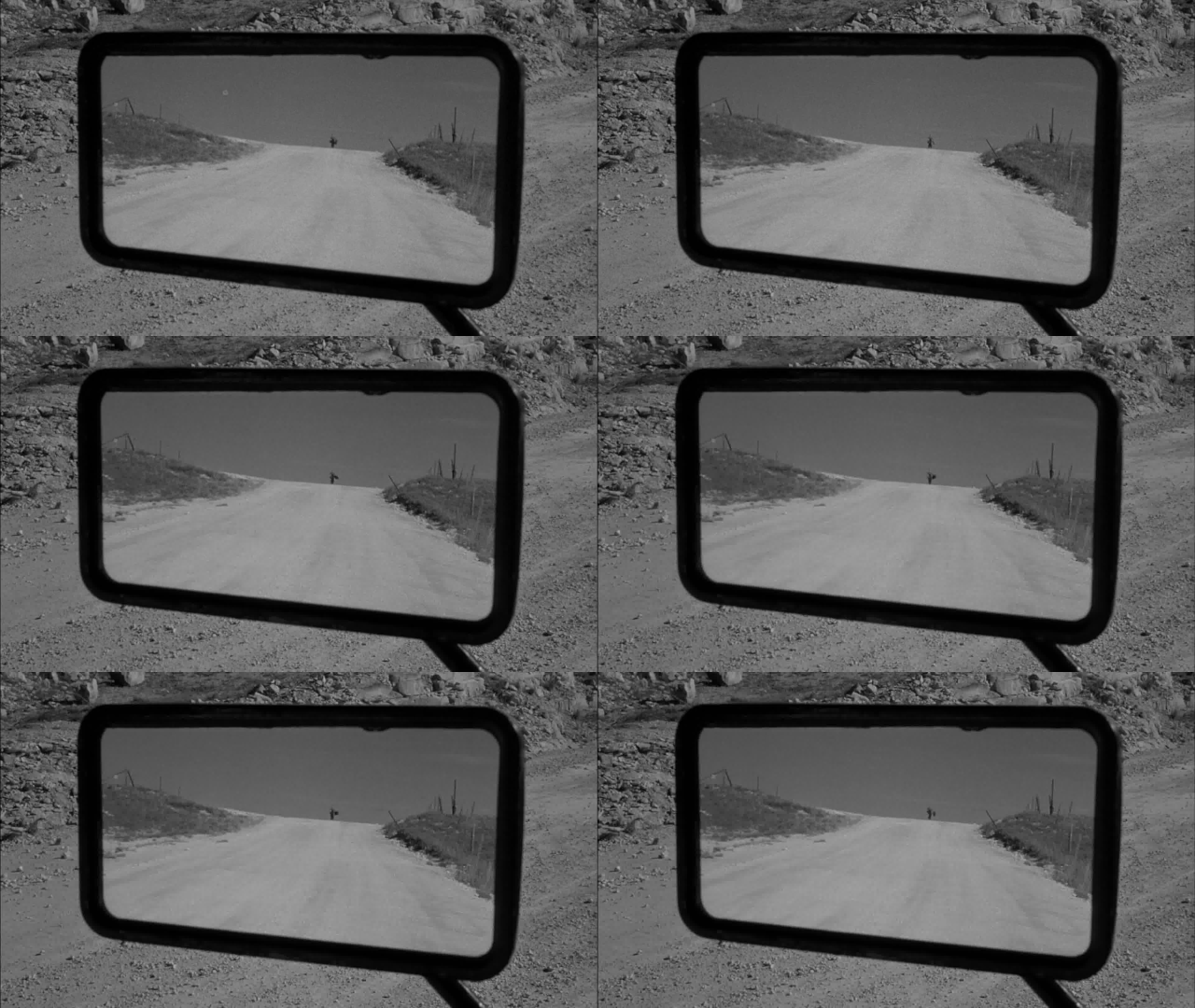
Reading Paper Moon through a rear-view mirror (technically side-view mirror, but who is counting?)
It’s hard not to watch this film through the rear-view mirror, so to speak, but our podcast is all about family dynamics in movies. Paper Moon offers a truly unique dynamic between father and daughter that captures not only brilliant performances, but also belies the real-life struggles when the movie ends.
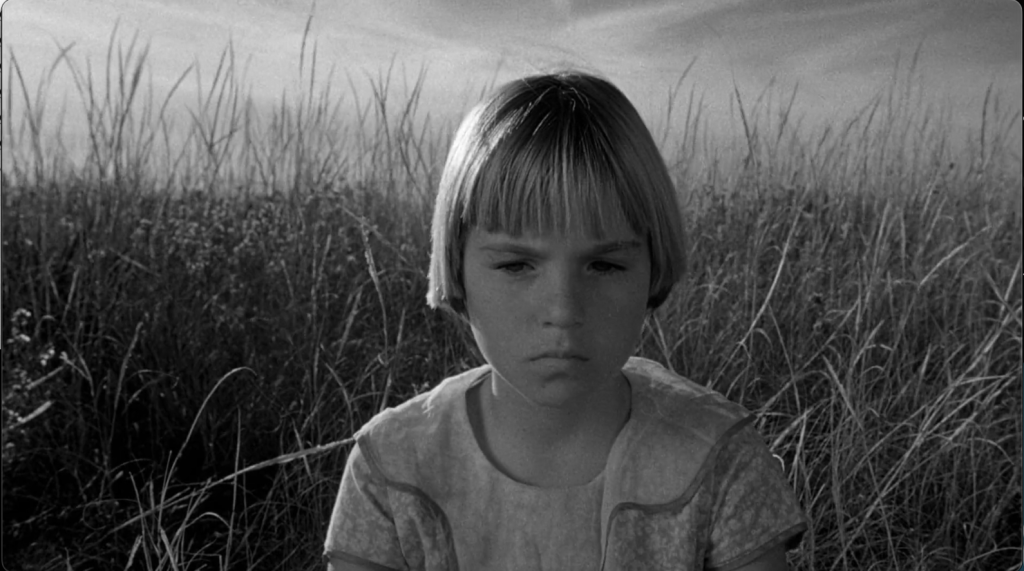
Tatum O’Neal’s performance in Paper Moon as Addie wins her an Oscar, still the youngest person to win that coveted award.
Another element of this film worth noting is just how gorgeously it’s shot in glorious black and white by László Kovács—a regular collaborator with Bogdanovich and one of the most important visual interpreters of the New Hollywood movement.
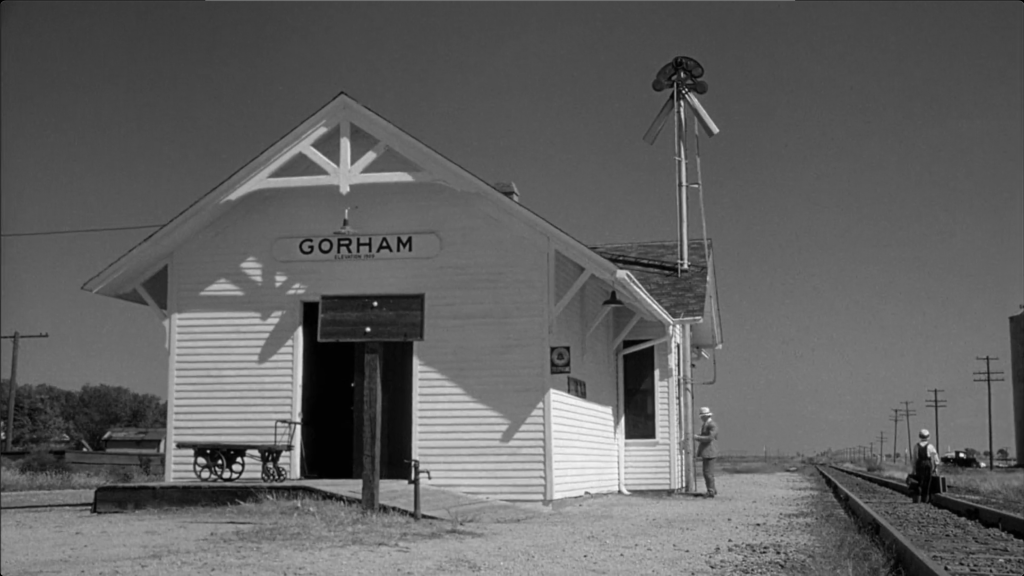
The American Gothic in glorious black and white.
There’s a sense from the 1930s American Gothic visuals that Bogdanovich and Kovács are doing their best Walker Percy and James Agee impressions from Let Us Now Praise Famous Men.
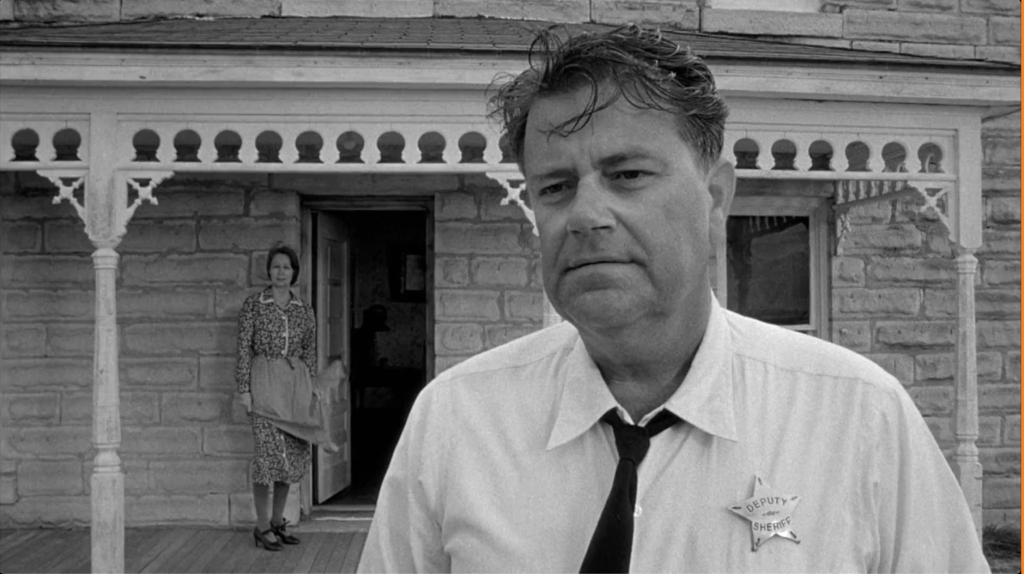
The presence of Walker Percy’s photos from the 1930s permeates this film in shots like this
There are a number of magical scenes throughout this peripatetic film, but possibly the most powerful (both dramatically and visually) is when Addie refuses to get back in the car after Mose picks up fellow con-woman Trixie Delight (played brilliantly by Madeline Khan) which then drives a wedge between them.
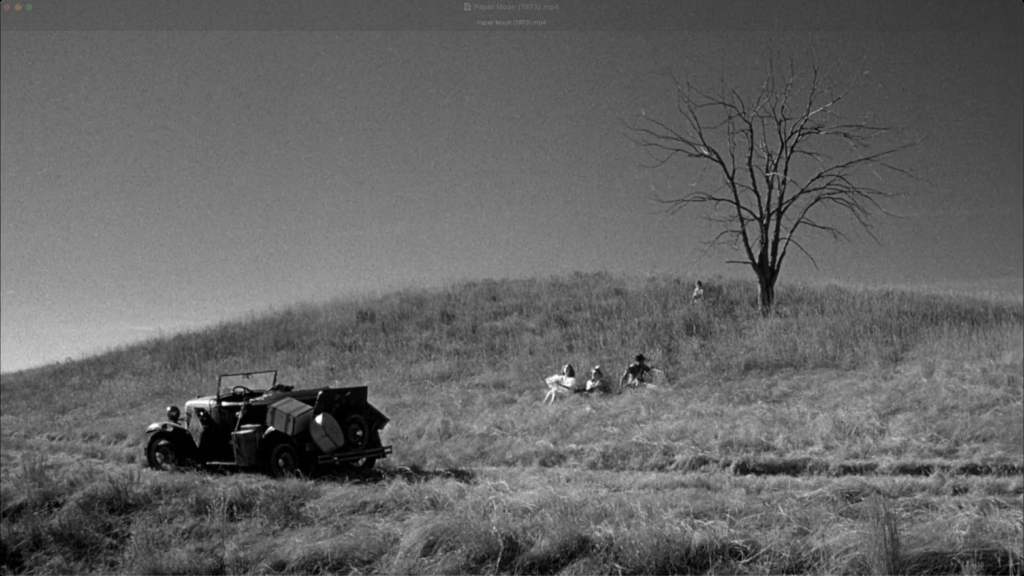
A shot of the grifters picnicking on a hill
While Madeline Khan had a relatively small role, it garnered her a supporting actress Oscar nomination in only her second movie (I mistakenly claim it’s her first during the podcast). Trixie’s heart-to-heart with Addie encouraging her to just tolerate her presence for a little whole longer ’cause there hasn’t been anything in her life she hasn’t ruined is a moment of depth and pathos that punches through the comedic veneer. This effortless and entirely believable moment of humanity in the face of the lean years of the depression is transcendent, and has to be the moment the Oscar committee gave her the nod.
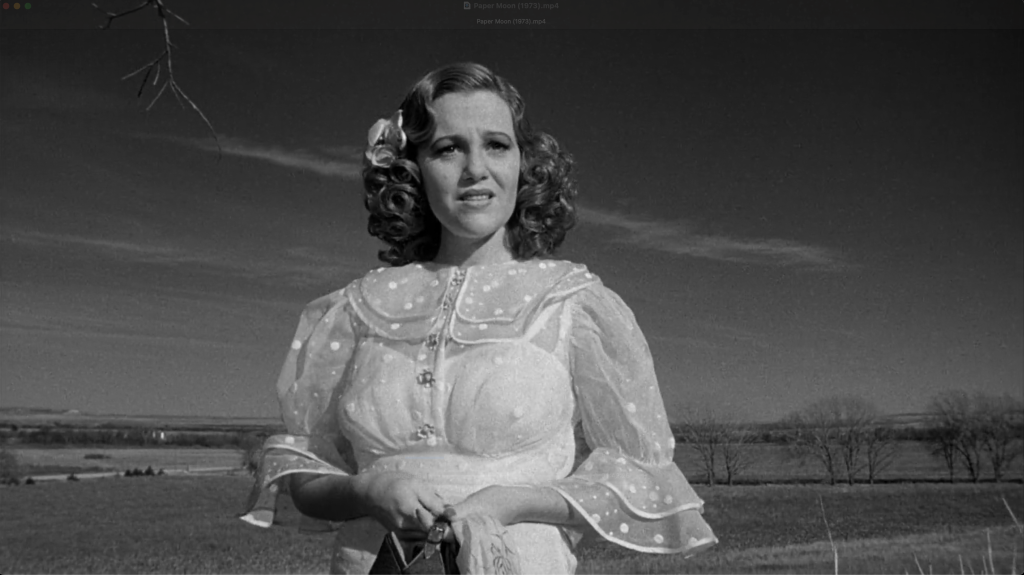
The great Madeline Khan as Trixie Delight gives a brilliant performance, just another reason to see Paper Moon
Trixie’s temporary traveling partner Imogene offers an African-American counterpart to Addie, both supporting their respective con-artists. These depression-era children are thrust into a world where surviving was the primary goal. And just like the adults they apprentice with, they grow up way too fast and quickly come to understand the crude and cruel forces that shape the world they live in.
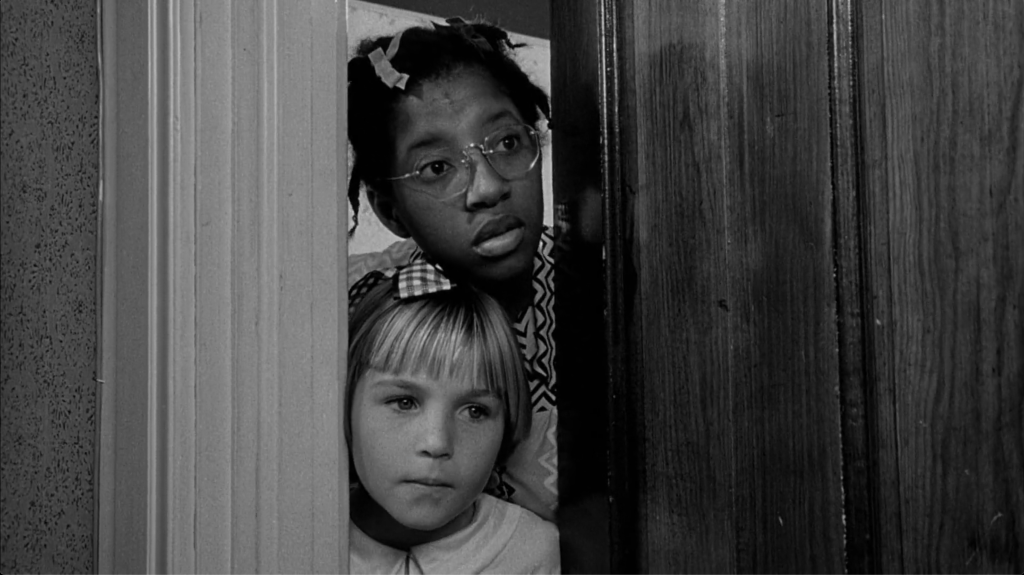
Imogene and Addie planning to drive Trixie away once and for all
I understand that some of the above is just rambling, but it’s all in service of trying to highlight not only how beautiful Paper Moon looks, but also how deep it burrows into the heart of the messiness of human relationships on and off screen. Never mind the podcast, see the movie—it’s an absolute gem I waited far too long to watch.
I remember this movie airing twice (at least) on network television (probably CBS trying to coat-tail boost ratings on shows like the Waltons). But as a kid probably 7 years old then in 1975, it was very slow paced and frustrating as nothing really “good” seemed to happen. Back then all I wanted to see was Godzilla movies. Boy,… has a lot of time passed since then.
And RE: that black and white super-contrasty look. I know well. From doing photography in college. It’s red colored filters possibly with a polarizing filter on top. You get that jet black sky, and crisp edges that hurt your eyes.
That crisp, black sky behind Madeline Khan is really nice, I also love the shot of the church. The whole film is gorgeous and I have to hand it to Bogdanovich, this and Last Picture Show are truly unique contributions to the amazingness that was 70s Hollywood film.