
CPanel’s Transfer Tool

SDKRecently I was moving a shared hosting client from one of our older servers to a newer one because of some performance issues she was having given the resource needs of her site. I used CPanel’s Transfer Tool for this, and I wanted to quickly note how powerful it is. The Transfer Tool enables you to move an entire cPanel account from one server to another with a few clicks. When migrating accounts from other hosting companies that use CPanel, we often use cPanel’s Restore a Full Backup tool (another clutch feature) because it allows us to move all the files, test to make sure everything works, and then point the DNS. But when moving an account from one Reclaim Hosting server to another, we usually use the Transfer Tool. It’s simpler because both sites are within the same DNS Zone and we know our servers won’t block the request, which is not the case when pulling accounts from other hosting services. Finally, it is dead simple.

As an example, I decided to move the venerable ds106 from the Minutemen server to the Unwound server for the sake of getting screenshots and narrating this post.

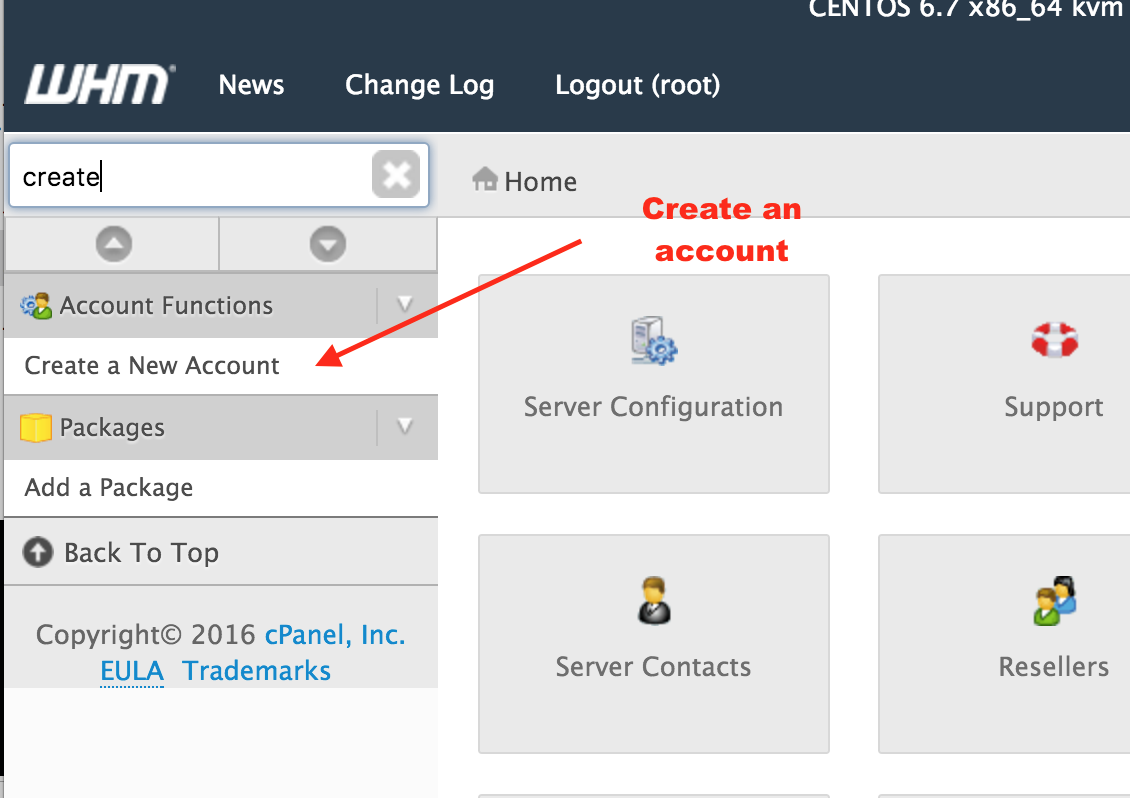
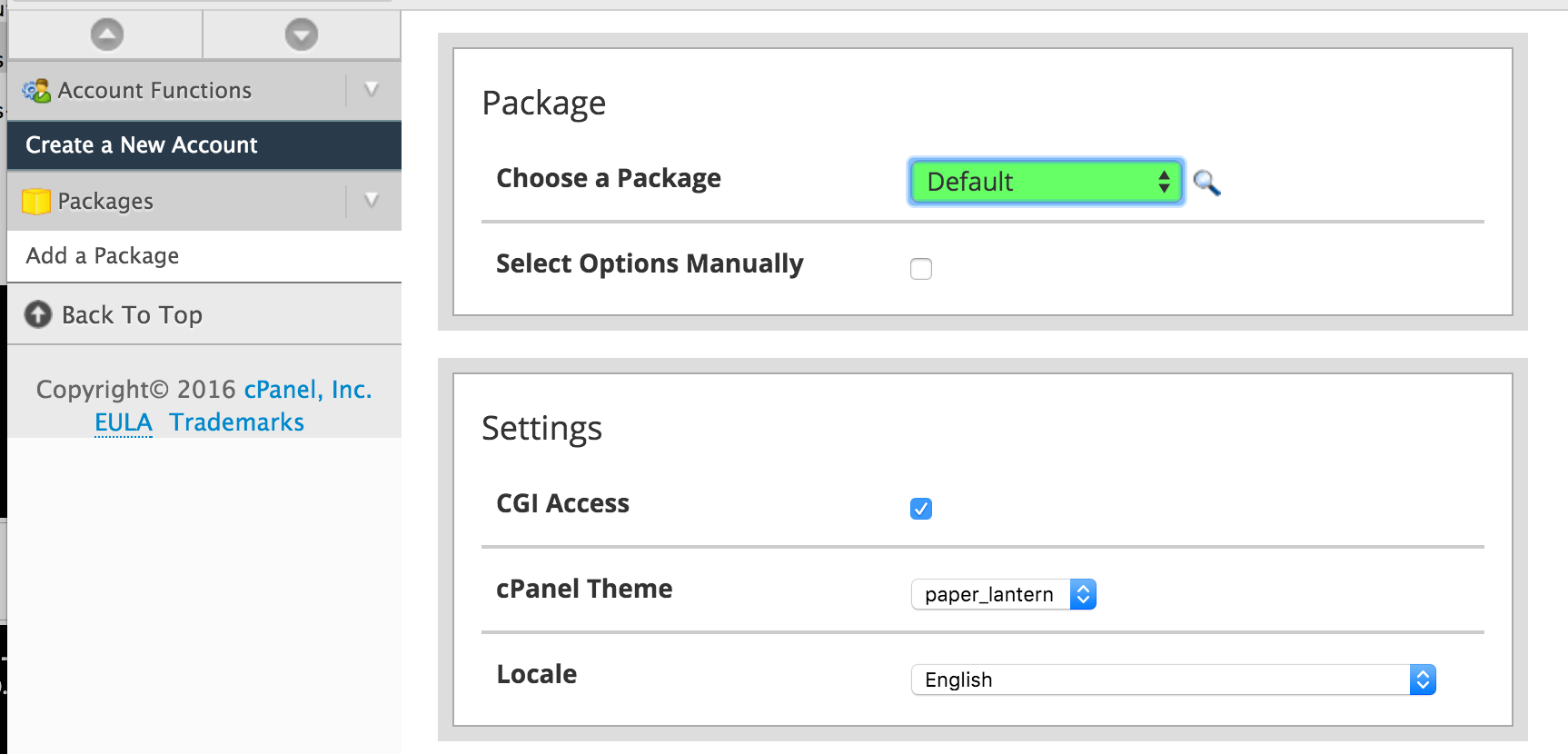
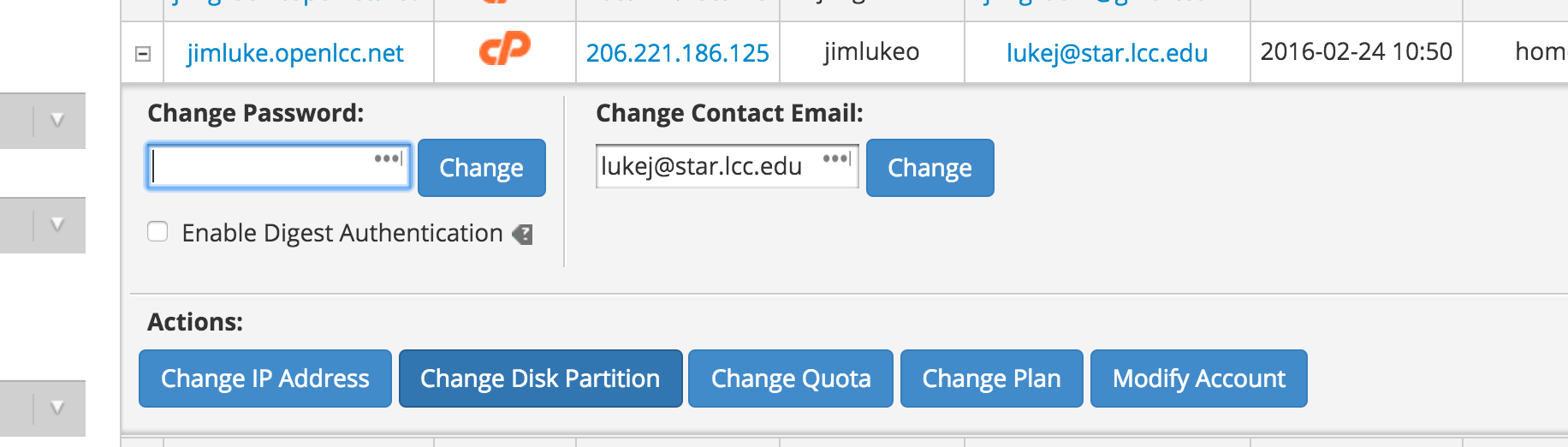
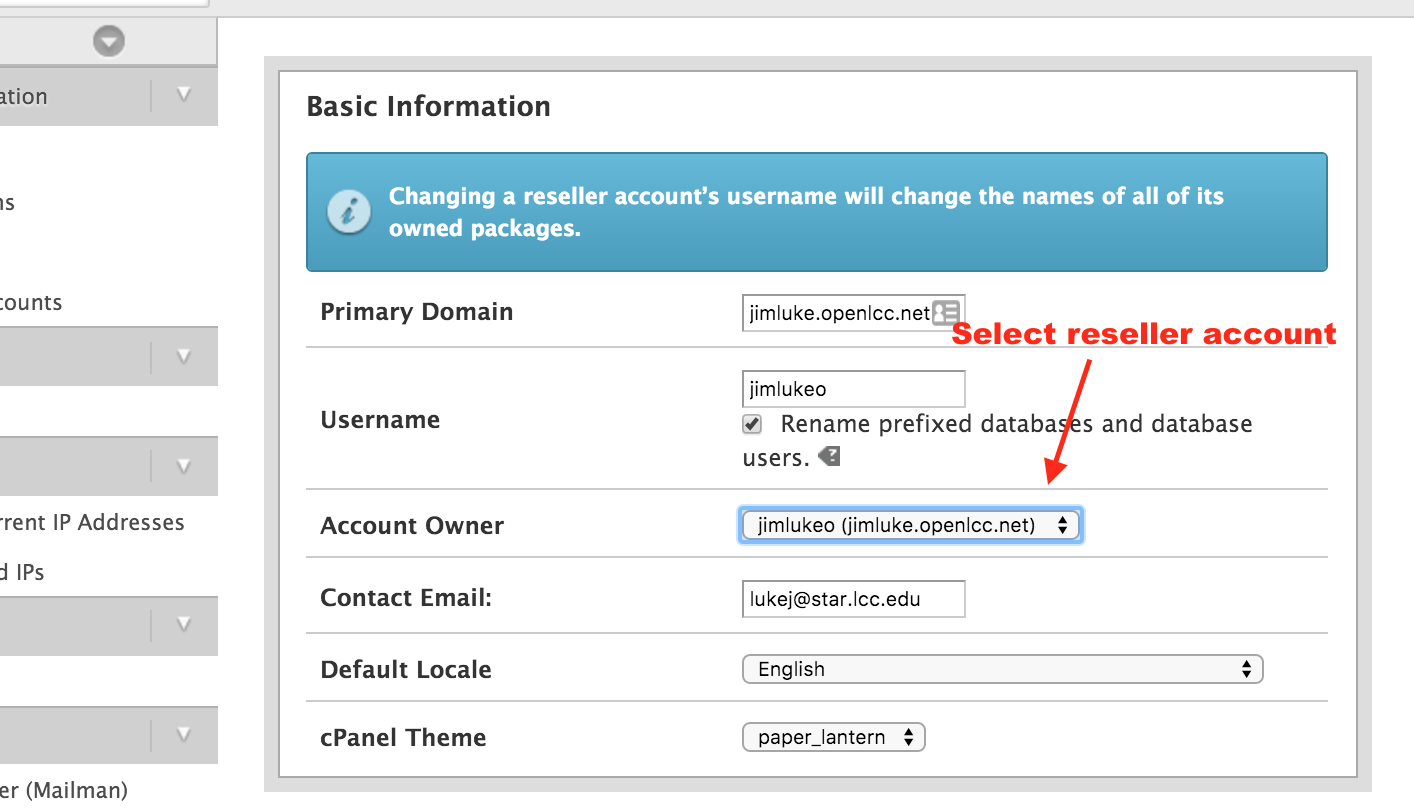
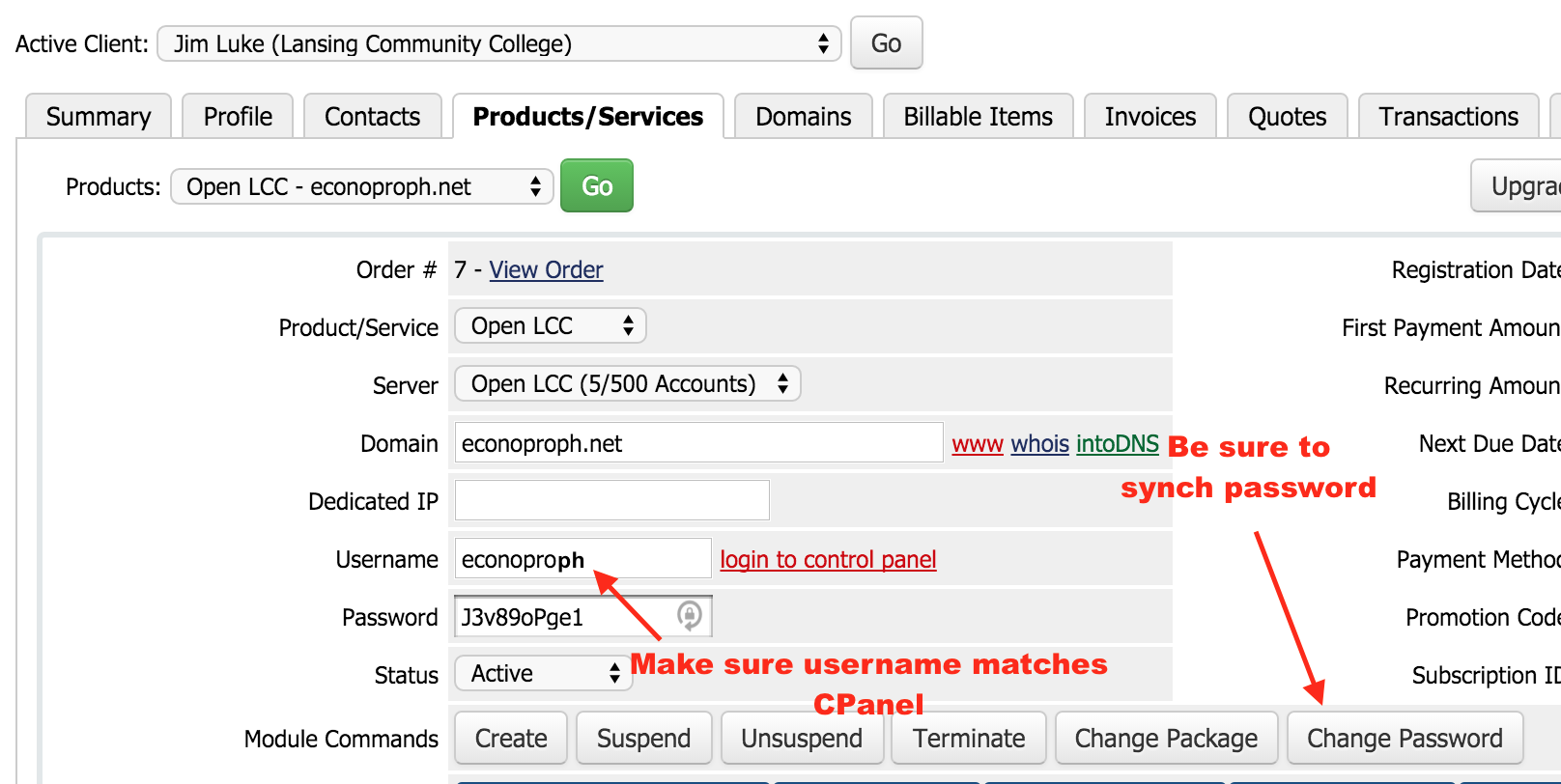
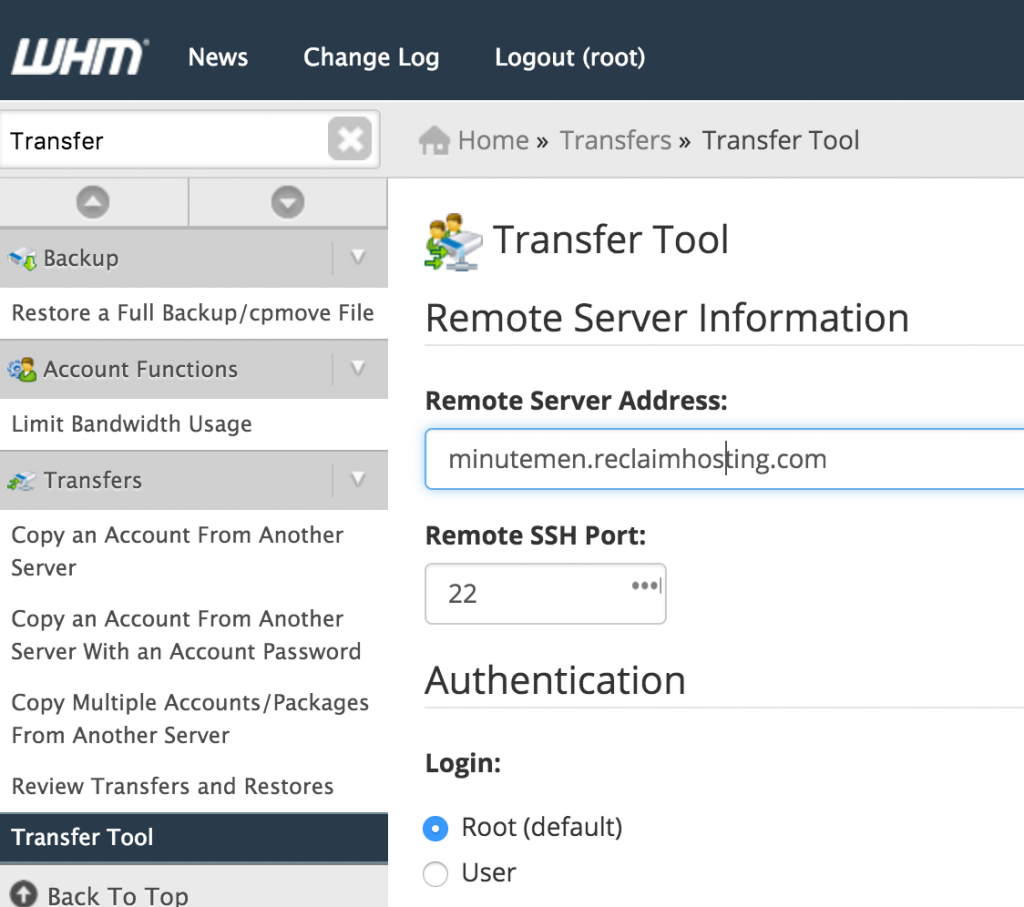
You work from the server you are migrating the site to. So, in this case I logged into the Unwound server and searched for the Transfer Tool. You then add the details of the server you want to transfer the account from. For me, that would be minutemen.reclaimhosting.com.
Screenshot 2016-03-10 11.30.46

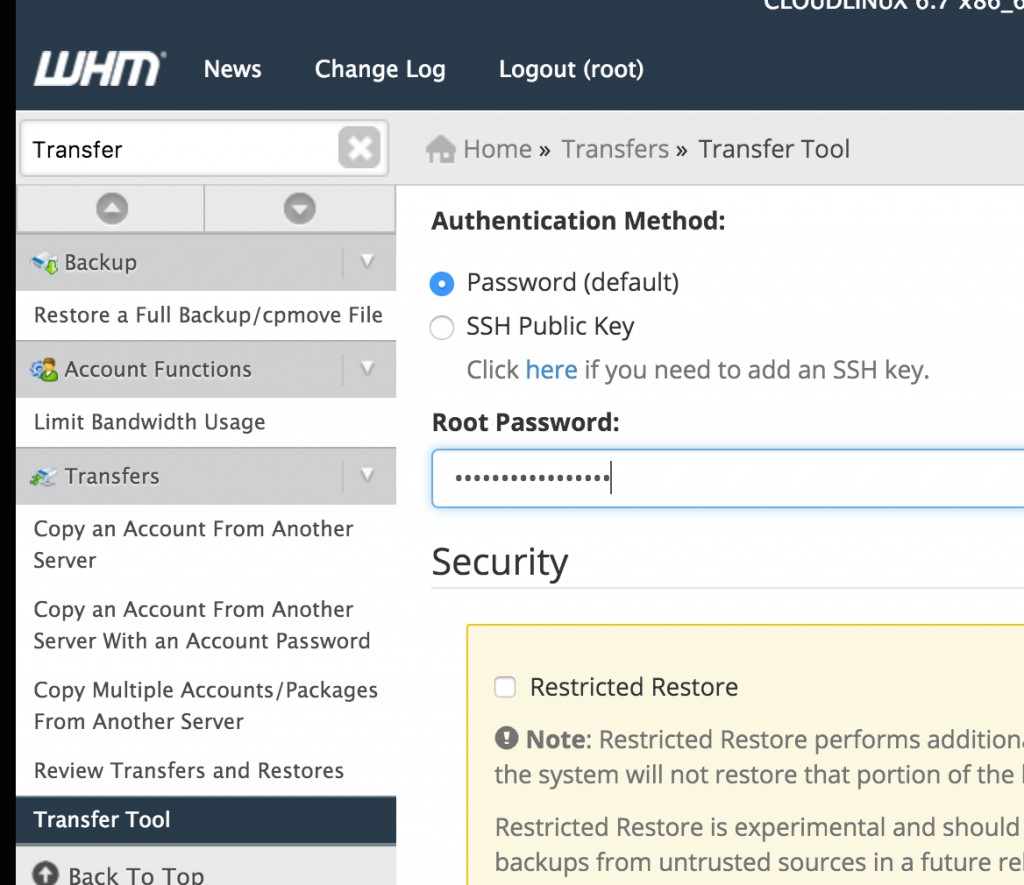
You add the password credentials, and make sure “Restricted Restore” remains unchecked. This might be useful for sites you believe are hacked or compromised, but often it leaves file out of the restore often breaking the site in the process.
Screenshot 2016-03-10 11.30.14

Once everything is set you click on the blue Fetch Account List button.

Screenshot 2016-03-10 11.30.28

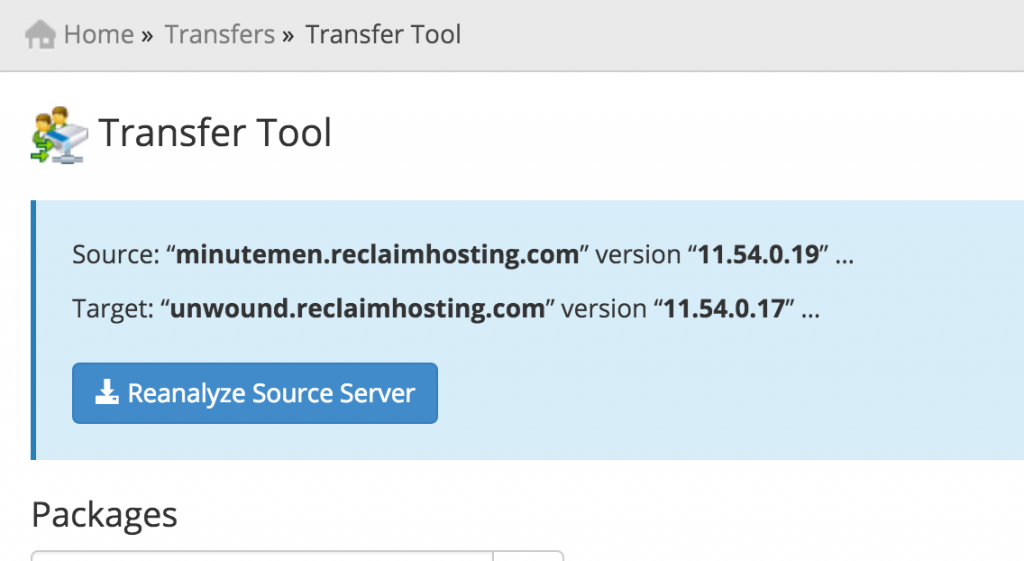
After that, the transfer Tool will compare the versions of cPanel and let you know.
Screenshot 2016-03-10 11.32.06

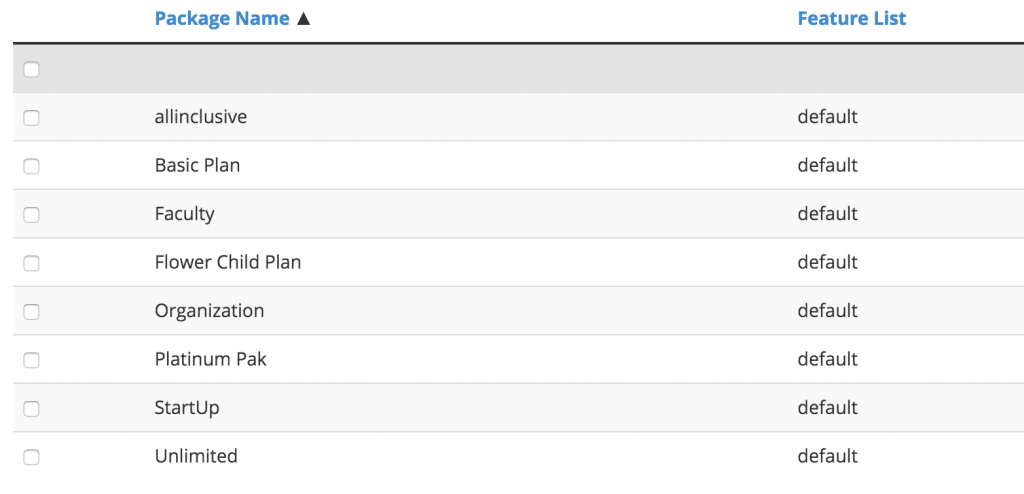
You then get a list of all the packages, something you can also ignore.
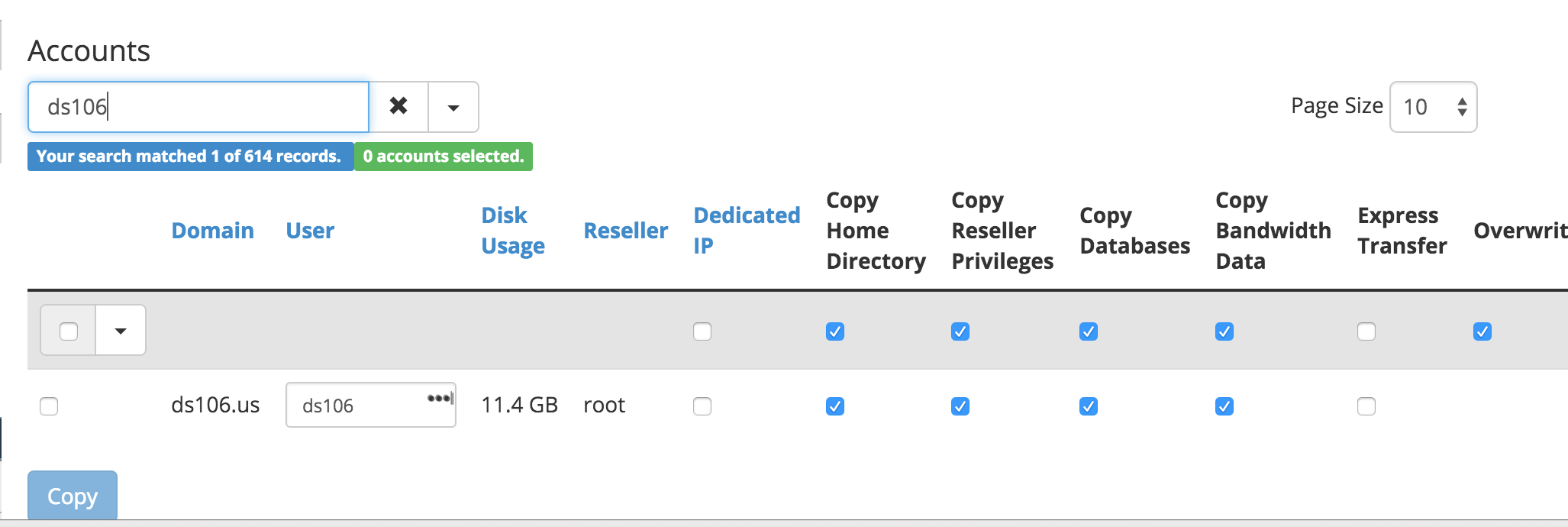
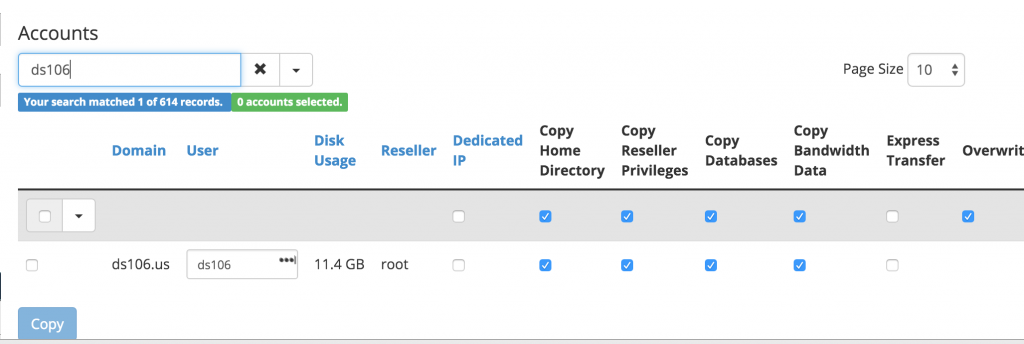
Screenshot 2016-03-10 11.34.07Next, the ability to search for the account you want to transfer. Leave everything checked but Express Transfer.
Screenshot 2016-03-10 11.32.53

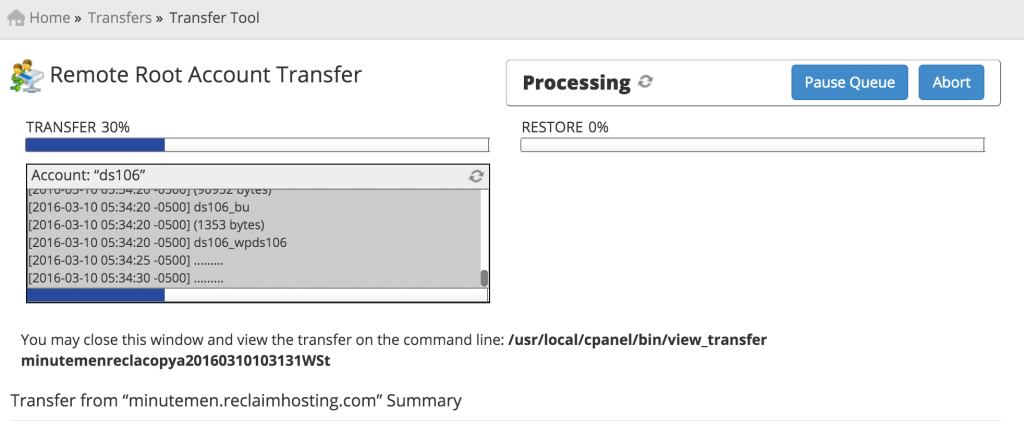
Finally, click on the blue Copy button and let the Transfer Tool do it’s thing.
Screenshot 2016-03-10 11.34.34

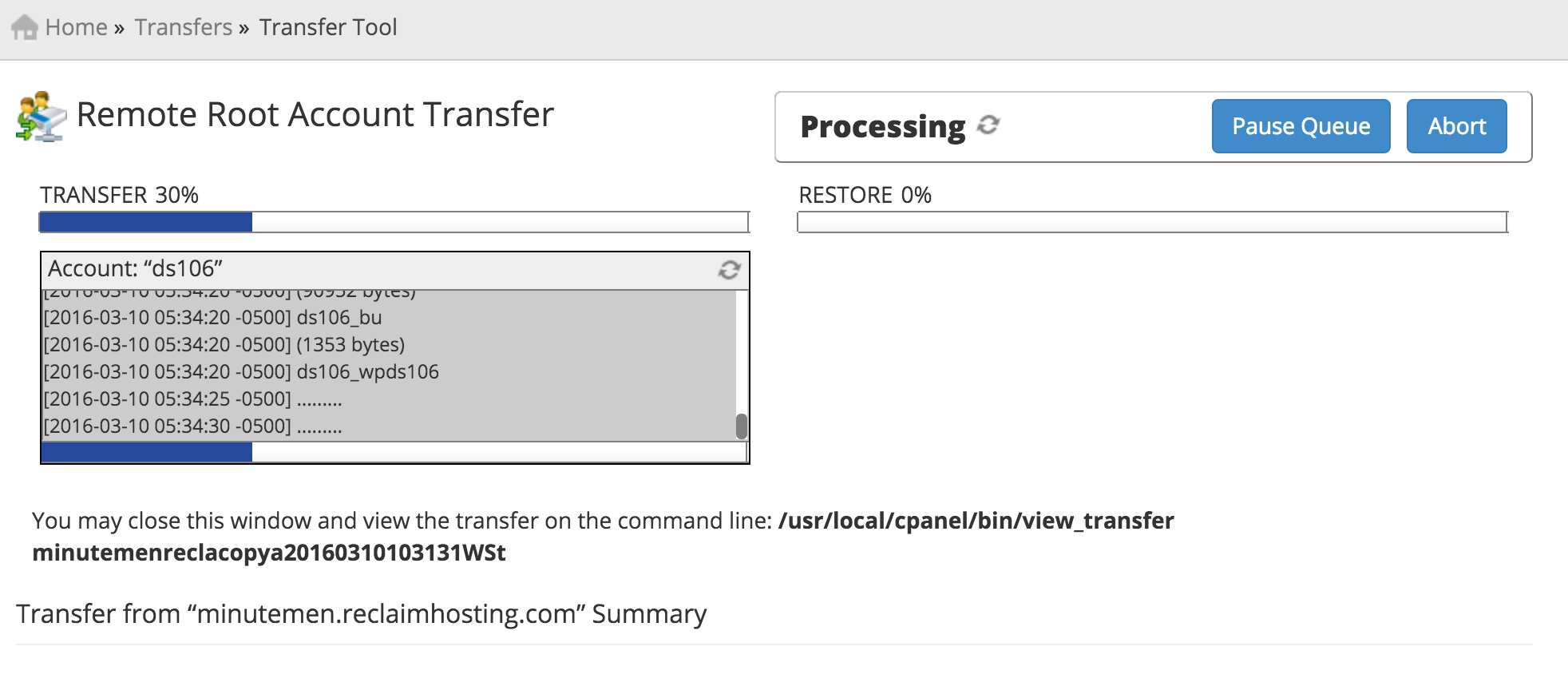
The initial transfer will be very quick, but the processing can take some time. Don’t be concerned if the processor gets stuck around 23% for a while, this is normal. Just let the Transfer Tool do its thing.
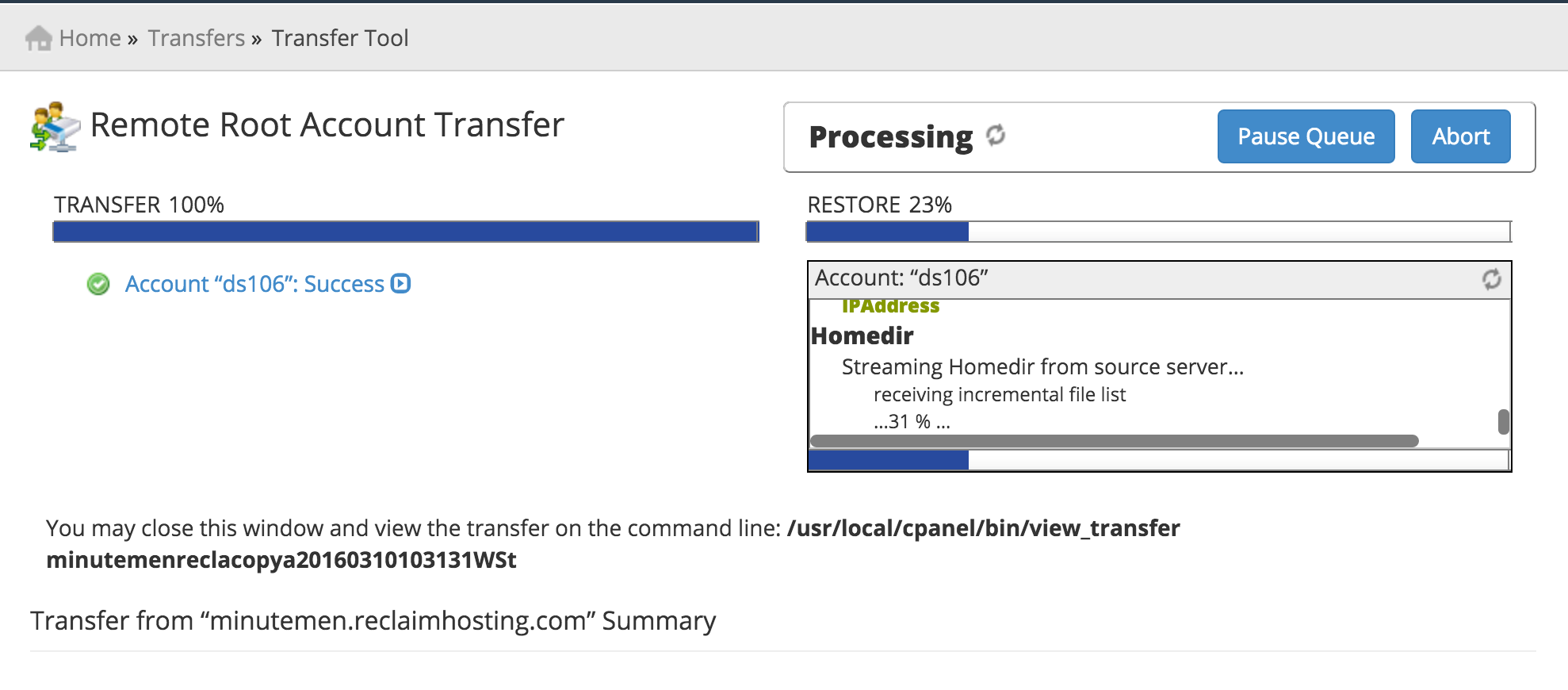
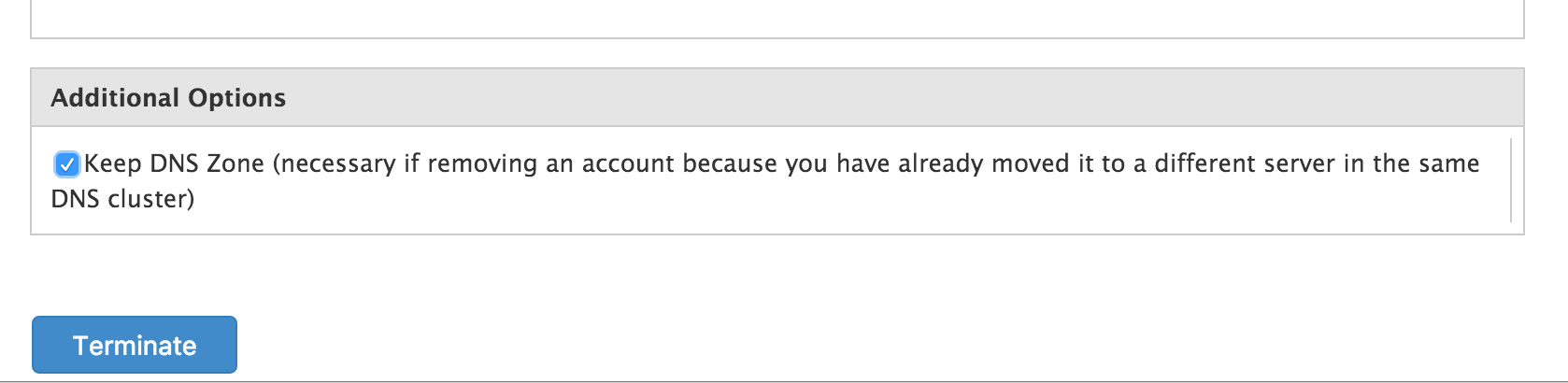
Screenshot 2016-03-10 11.38.04Once the account is both transferred and processed your site should now be live on the new server, in my case Unwound. I can now go back to the ds106 account on Minutemen and Terminate that account. Only thing to make sure of is that you check the option “Keep the DNS Zone” given all the Reclaim servers are managed by the same DNS Cluster.Screenshot 2016-03-10 13.23.32
And that’s it. 

Posted in reclaim | Tagged , , , , | Leave a comment

How CUNY Grad Center Fellowships Changed the Course of Edtech History

cc23e9c542f1ce3debcf2dedcd86355c

Revival

This is cross-posted on the CUNY Academic Commons News blog as part of the Citation Needed series I am writing there.

Now for a little history you never wanted. I had many fellowships while I was a Ph.D. student at the CUNY Grad Center from 1997 through 2005. I started with a Graduate Teaching Fellowship from 1997 through 1999 at the College of Staten Island where I was given a 2/1 load and got my first taste of teaching Early American Literature thanks to then department chair David Falk. That fellowship was awesome, the Fall semester teaching two English 101 equivalents killed me on many levels, but the Spring semester’s Early American Literature survey made me fall in love with the classroom once and for all.

My next gig was a Writing Across the Curriculum (WAC) Fellowship—again at the College of Staten Island—from Fall 2001 to Spring 2003. This was a fascinating experiment in trying to help faculty at CSI integrate writing into their Economics, Film, and Sociology curriculum. This was my first extended training at working with faculty to rethink their curriculum, a skill I’ve depended on for my livelihood to some great degree since.

But I was not done yet, I got another fellowship at the Center for Place, Space, and Politics to actually work on my dissertation—but I never believed in doing that during Grad School—so I went to teach English at Clara Barton High School for a year and a half from 2003 through 2004. I wasn’t long for that world—that job is where my aversion to authority got its first real exercise in the workplace.

I took my final CUNY Grad Center fellowship in the Spring of 2004 as a replacement for a departing Instructional Technology Fellow (ITF) at Hunter College. I was part of a cadre of 10-12 fellows working with students at the newly established Macauley Honors College to integrate technology into the curriculum. The faculty I worked with were from disciplines as disparate as Urban Panning and Chemistry. This was the first time I used WordPress and MediaWiki as part of a class project. All this provide to be quite fateful given that in less than a year I was on my way to the University of Mary Washington as an instructional technologist. I would be joining a group that was hellbent on integrating open source applications into the teaching and learning environment.

While writing this post I’m struck by how much professional and personal development I got while at CUNY. I like to joke about CUNY’s trial-by-fire approach to grad students as new teachers, and there’s no question I was thrown into the classroom in 1997. Nonetheless, by the time I left CUNY in 2005 had a ton of experience teaching, working with faculty from a variety of disciplines, and integrating technology into the classroom. Those fellowships were crucial to my time at CUNY, and in retrospect I tend to think they were equally as important, if not more, than any of my coursework given my subsequent role as a technologist, faculty developer, etc.

But I digress! In fact, this self-indulgent walk down memory lane was brought on by yet another kind of fellowship I discovered at the CUNY Grad Center: The Digital Fellows! This rough and tumble group describe themselves as follows:

The GC Digital Fellows work with Graduate Center faculty members on digital scholarly projects, design websites for special initiatives, receive skills training workshops, and, more broadly, explore new ways for Graduate Center faculty, students, and staff to share their academic work through new technological platforms and social media tools. Our reflections on this process can be found on our blog, Tagging the Tower.

This is near and dear to my heart because the above paragraph essentially frames the work I have been doing with my colleagues at University of Mary Washington for almost 10 years. Helping faculty and students build out their digital presence online, explore new ways to integrate technology into the classroom, and building tools and platforms to make it all accessible.

And finally we work back to the inspiration for this post, a simple announcement I found on the CUNY Academic Commons for an upcoming workshop on  “Creating a Digital identity using WordPress.” The Digital Fellows Patrick Sweeney and Keith Miyake will be running this session, and I can’t think of a better tool than WordPress to create a digital identity. Why not use the web’s single more powerful and popular open source publishing platform to frame your scholarly presence online? It’s a lay-up. What’s more, it could be argued that the impetus for pushing WordPress as a teaching and learning tool in higher ed more than a decade ago got an early start as part of a similar CUNY Fellowship 10 years prior—gotta proudly own my ITF roots, the OG Digital Fellows. Keith and Patrick stand in a long line of CUNY faithful who have put their life on the line for the WordPress cause—evangelists in the purest sense of that term. Bringing sweetness and light to all the dark and secretive proprietary tools that would hide us from the truth.  Preach on Digital Fellows, you are part of a prestigious line of edtech zealots that have transformed what was once a monolithic culture of the LMS to what is now a monolithic culture of WordPress. Hallelujah!

So what did we learn today? CUNY Grad Center Fellowships changed the course of instructional technology 10 years ago, and may be the reason why WordPress is currently a household name in higher ed. You heard it here first on Citation Needed 🙂

Posted in Citation Needed | Tagged , , , , , | Leave a comment

Inside Reclaim Records

inside the store

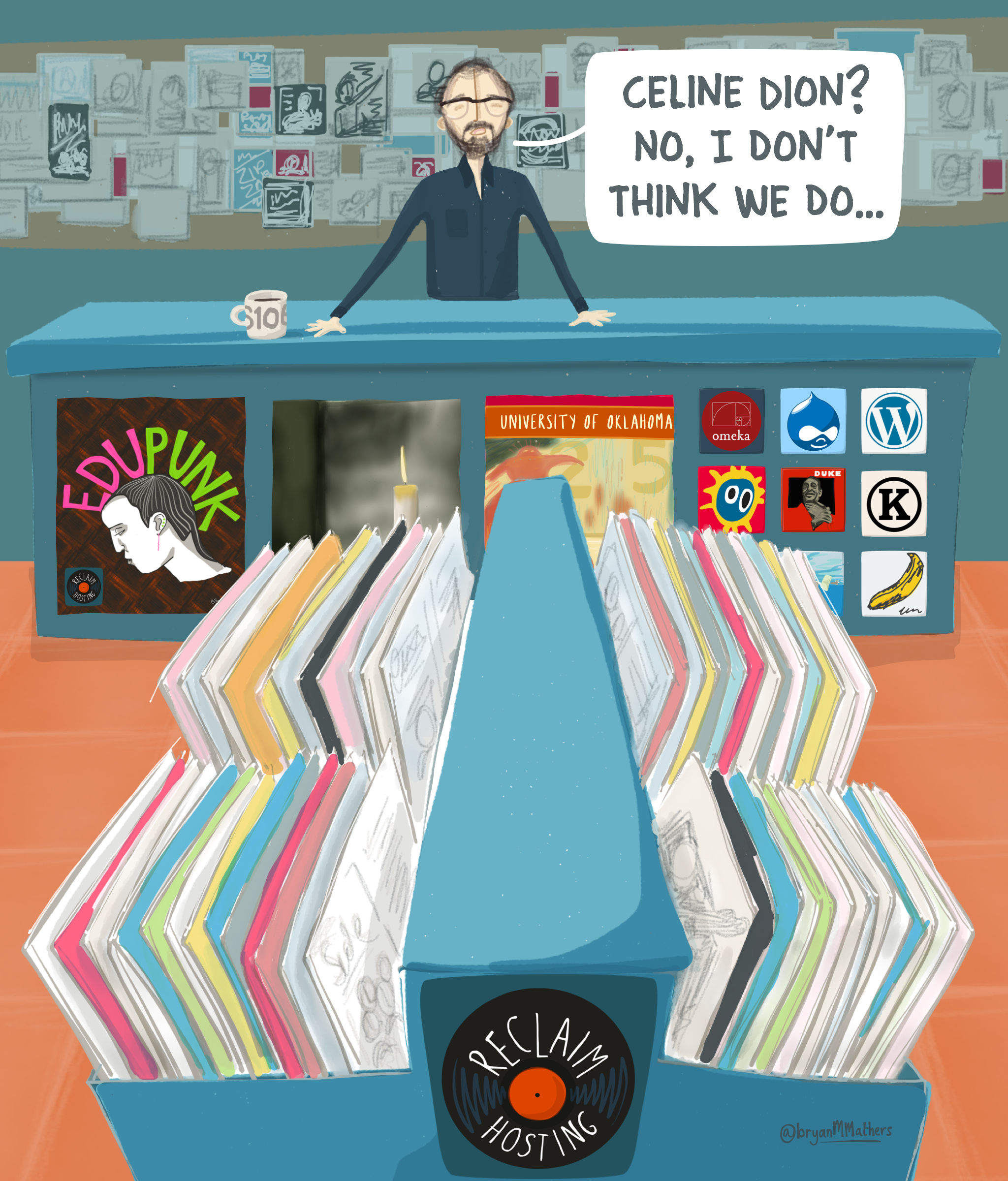
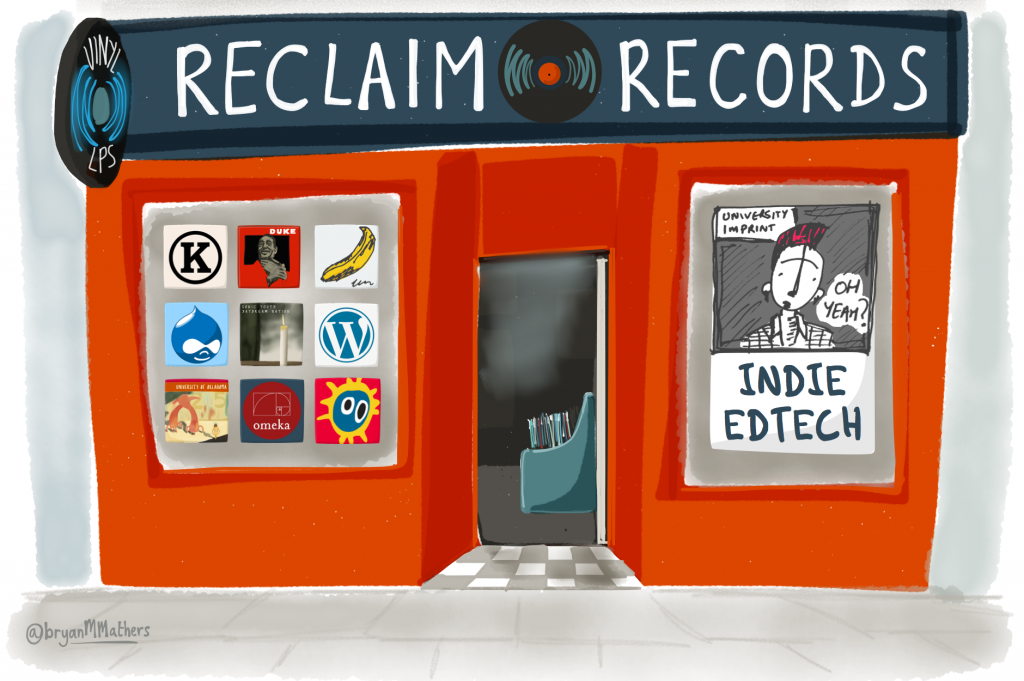
Reclaim Records is starting to get further fleshed out thanks to the latest installment from the great Bryan Mathers. I really love the colors in this one, not to mention the synchronization of all the details we’ve been working on from album covers, to the #ds106 coffee mug, to the awesome EDUPUNK poster (a work of art within the work of art), the smack-talking on Canada, and the figure behind the counter. The idea will be to switch the face of Reclaim—this one presumably me given the hairline and glasses—with caricatures of Tim and Lauren. Each of us behind the counter server up the goods. What this image makes me want more than anything else is a Reclaim storefront.
edupunk_reclaim

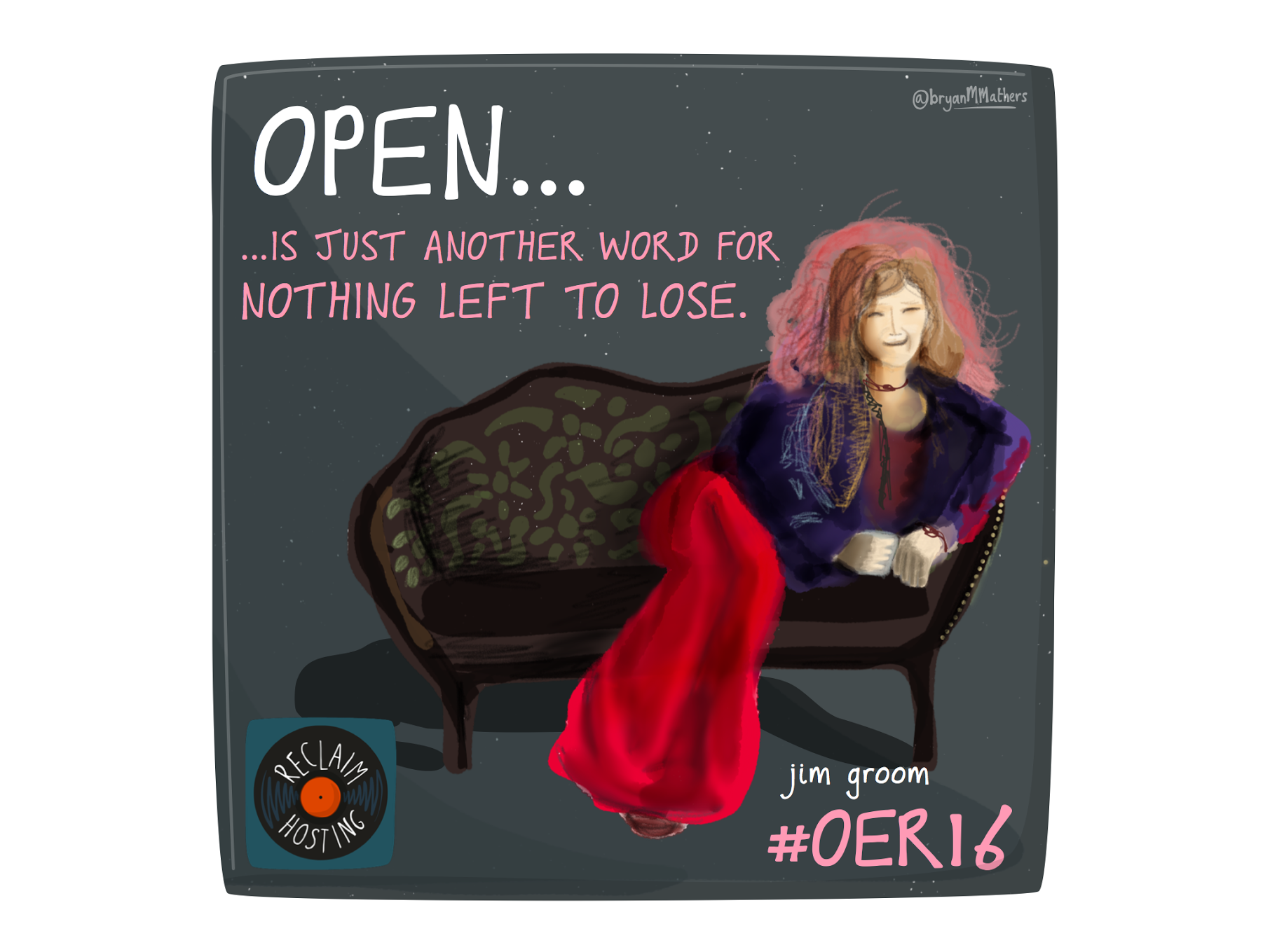
Bryan sent me a larger version of the EDUPUNK poster he created, and I was really blown away by the design. Using the EDUPUNK letters to make the mohawk was brilliant, and the bright, neon 80s colors against the zine-like gray is gorgeous. The whole idea of posters and album art as part of the culture of Indie Edtech is fascinating to me. After announcing a makeshift title for my OER16 presentation as “Open’s Just Another Word for Nothing Left to Lose,” Bryan quickly returned this…

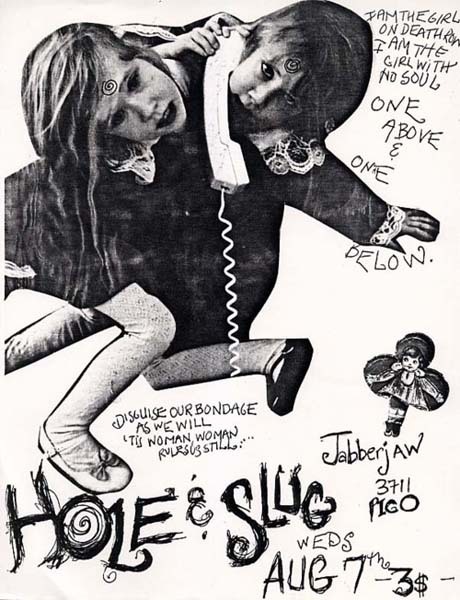
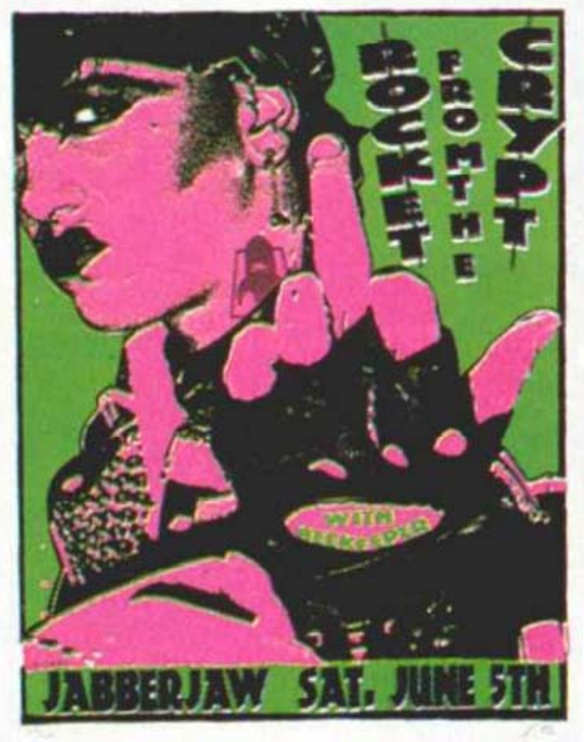
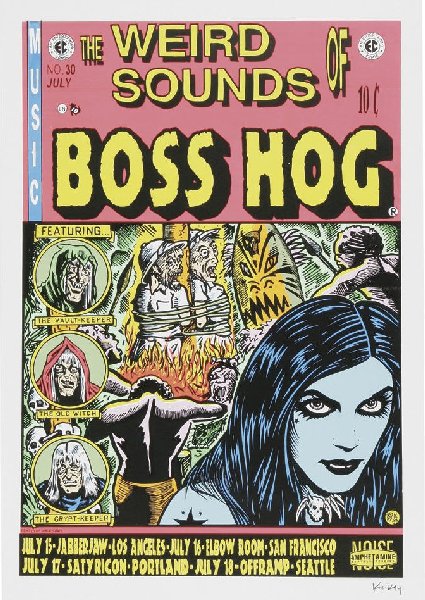
unnamed-1Inspired by the great Janis Joplin on the album cover of Pearland many have been quick to see the likeness to another contemporary rock star  🙂 The whole idea of covers and posters as part of an aesthetic for ideas and building a culture is something that I’ve been thinking about a bit lately. One of the coolest things of the 90s alternative music scene was the flier/poster art. I recently bought the book It All Dies Anyway: L.A., Jabberjaw, and the End of an Era, and it features a ton of posters from this era, some cut and pasted in the OG Xeroxed scribble style (designed by Courtney Love!):

168350

While others in the telltale 90s alternative music poster style by artists like Steve Coop, Lindsey Kuhn, and Frank Kozik..

2331

Screenshot 2016-03-08 15.44.59

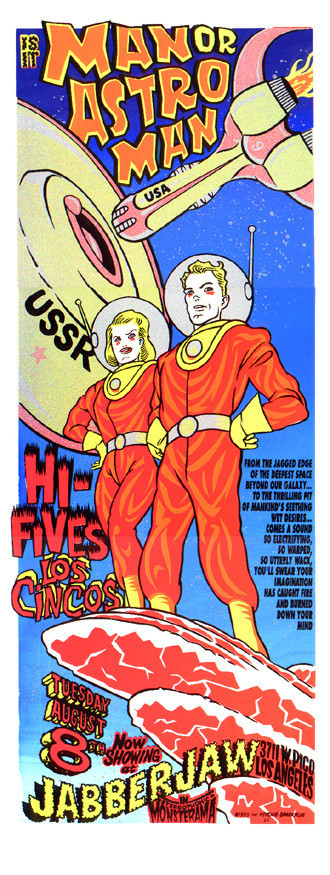
59619Another artist making posters at the time was Chuck Sperry (a.k.a., Psychic Sparkplug), and this Man or Astroman? poster is quite fun.MANORASTROMAN_JABBER_1024x1024And then there is the flier madness behind the counter that is a yet to be defined collage of 1000 shows. Something like this wall of Riot grrrl fliers.

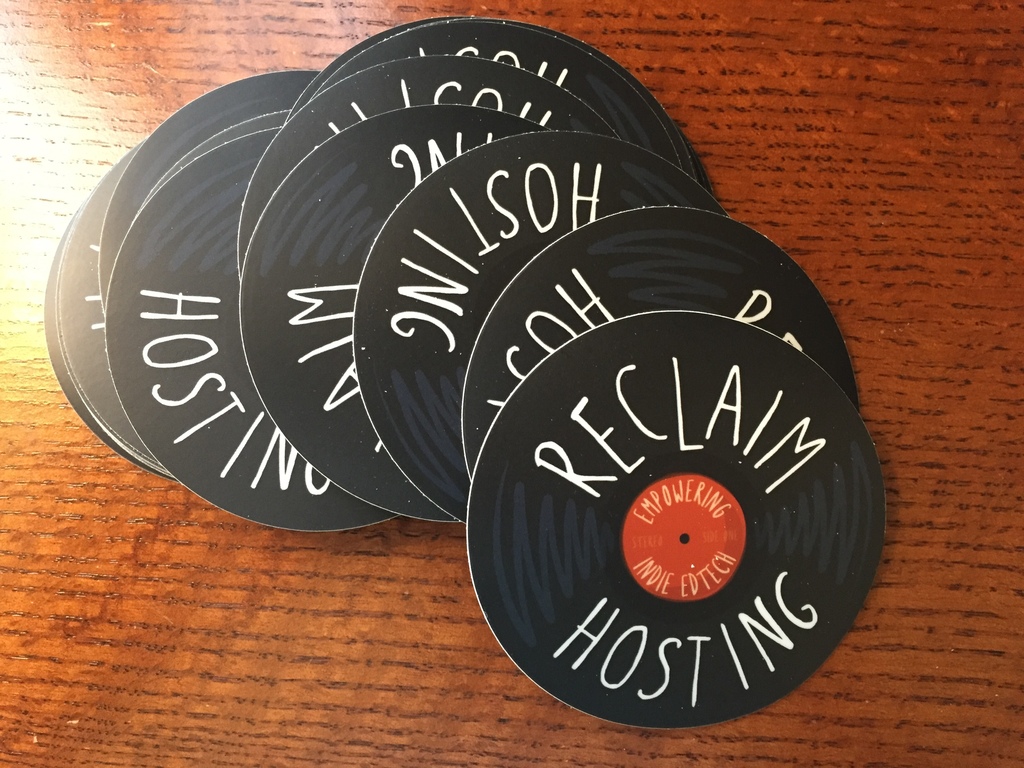
3041742-poster-p-2-alien-she-show-tracks-riot-grrrl-activism-punk-roots-and-beyond Bryan Mathers and I will be having another conversation soon, and I am personally interested in aping the style of some of these 90s artists and having fun with this graphic history. But in the meantime Tim has gotten some stickers made of our new logo.

slack_for_ios_upload_1024

What’s more, we’ll be doing a run of new shirts shortly. Once we get the figures back from the printer, we’ll be opening up the call for 3 days so that anyone who wants one can make an order. Once the order closes we’ll send them to print and then mail them out along with some stickers.
navy_blue_tshirt1_360

rh-shirt-orange_720

We’ll also have a ladies cut, but we’re still working on finding it in colors similar to those above. So, how’s the Reclaim aesthetic coming along? Is this as fun for you as it is for me?

Posted in reclaim | Tagged , , , , , | 1 Comment

Cults Go Outside

https://vimeo.com/26493844

I’ve been playing music with my kids on Thursday and Fridays afternoons when they enjoy half-days at school (you have to love Italy!). Today I decided to revisit the indie band Cults, which I first discovered back in the Summer of 2011 while searching for Brian Oblivion on the internet. The guitarist goes by the moniker Brian Oblivion, which means he has to be in the know 🙂 Anyway, there music was hauntingly beautiful, and I guess they made somewhat of a splash in the indie music scene. But what I hadn’t seen before was their music video for the song “Go Outside” directed by Isaiah Seret. Boing Boing featured the video back in the Summer of 2011 (a fertile time for creative energies) with a director’s disclaimer of sorts:

For this music video we didn’t want to put a spin on the footage or the peoples lives—instead we wanted to re-tell and humanize their story. In order to achieve this we used a combination of stock footage, visual effects and other tricks to embed the band into the historical footage. This was achieved through my collaboration with my visual effects supervisor Bill Gillman and my cinematographer Matthew Lloyd. Lastly, I am moved to say when we completed the video we were able to preview it for some of the survivors of the Jonestown Massacre, who expressed their appreciation of our focus on the lives of the People’s Temple members as opposed to exploiting the graphic images of the final tragedy.

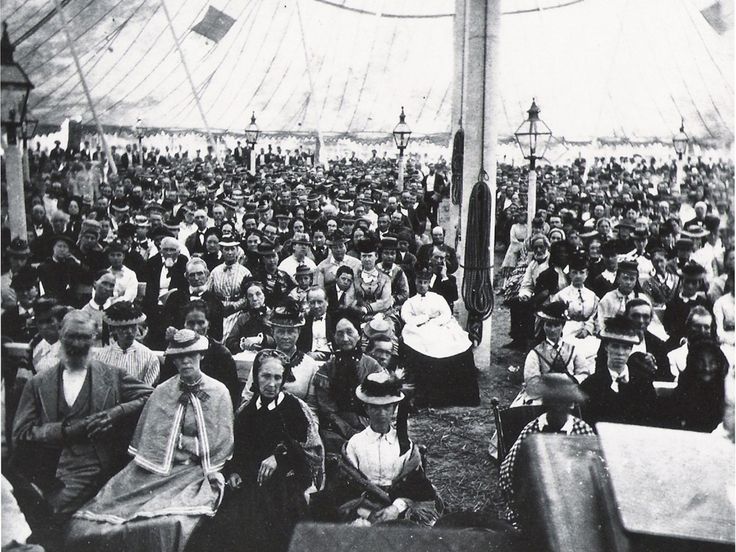
In a Forrest Gump-like approach, Seret places both Brian Oblivion and Madeline Follin into the archival footage of the various scenes featuring members of the religious cult. The video highlights a sense of deliverance through singing, dancing, and general sense of euphoria, and as Seret notes it intentionally avoids the horrific results. I’m not sure why it took me so long to find this video, I guess I can chalk it up to the fact that the internet  is a pretty big place, but it certainly struck me almost five years after its release.

Posted in music, video | Tagged , , , , | 1 Comment

It’s OK, We’re Only Human

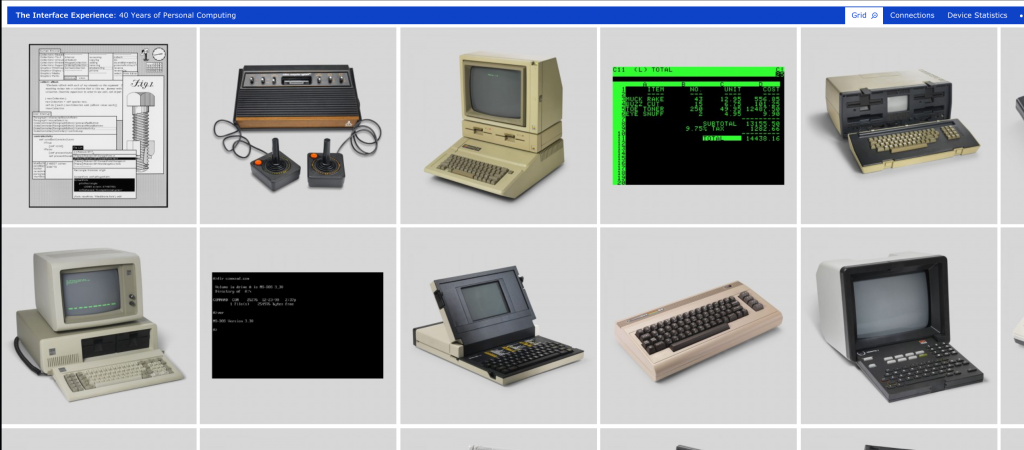
Last week I worked on migrating a number of sites from the Digital Media Lab at the Bard Graduate Center over to Reclaim Hosting.  One of the things I enjoy about doing migrations for folks is a get to see what they are working on. I fell down the rabbit hole of the history of computer user interface design with the brilliant Interface Experience exhibit that was produced for the 2015 exhibit The Interface Experience: 40 Years of Personal Computing. The exhibit was curated by Kimon Keramidas, then Assistant Professor and Director of the Digital Media Lab—now a professor at NYU.

The Interface Experience

The Interface Experience

I learned more about the “Osborne effect” a term which refers to the unintentional flattening of current sales by the premature announcement of future products. This is what killed the Osbourne “luggable” computer. I learned about Aldus Pagemaker, the first software of its kind that gave birth to the term “Desktop publishing.” I then got sucked into the early history of interface design at Xerox Parc, in particular the Office Alto. I was struck by the commercial for the Office Alto that seems fairly consistent with our vision of a sophisticated computer system 40 years later. And the nod in the following commercial to AI and the Siri-like future we currently inhabit is pretty amazing. How did they know?!
Posted in reclaim | Tagged , , , , , | 3 Comments

Navigating CUNY

This post is part of my Citation Needed series I am writing for the CUNY Academic Commons News blog, and hence is cross-posted here.

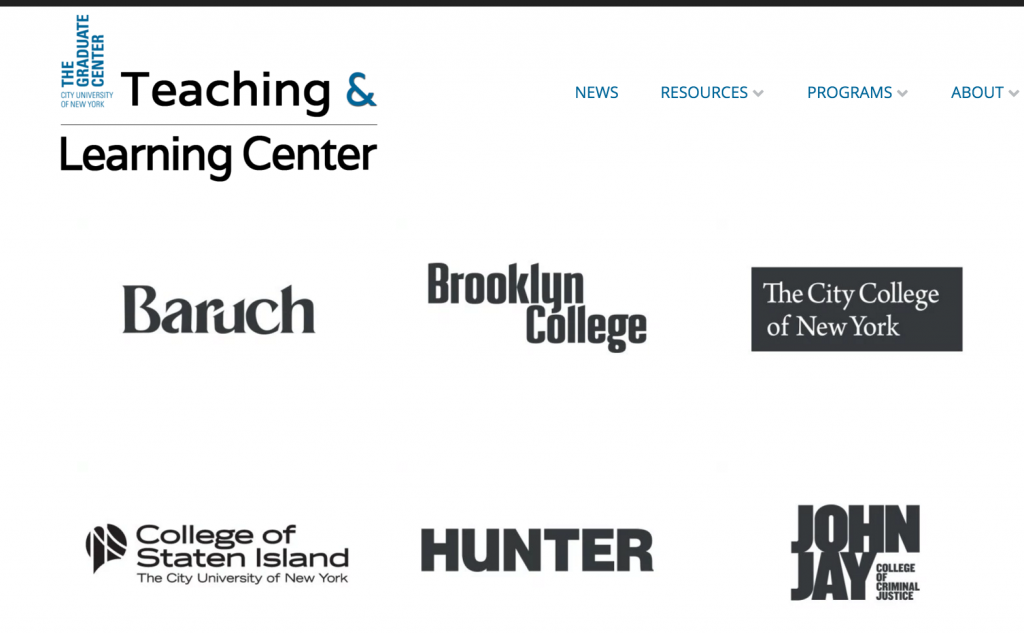
The Grad Center Teaching and learning Center's "navigating CUNY" resources for first time grad student teachers.

The Grad Center Teaching and learning Center’s “navigating CUNY” resources for first time grad student teachers.

Back in the summer of 1997 I was a strapping 26 year old with nary a gray hair. I was also on the cusp of matriculating into the CUNY Graduate Center’s English Ph.D. program. It was an exciting prospect to move back to NYC from Los Angeles, and I remember surfing the web during my day job at UCLA try to figure out how I could commute to the College of Staten Island (CSI)—the senior college I would be teaching at come September. One of my most vivid memories of the 90s web was poring over NYC Subway and Bus map sites to make sense of this new world. I was trying to navigating this new world of CUNY—which is massive—online several months before landing in the core of that rotten apple 🙂

Navigating CUNY

So when I came upon Andrew McKinney‘s “Navigating CUNY” I was transported back to 1997. The guides provide a series of quick and useful resources for incoming Graduate Center students who are teaching at one of the 26 campuses. The guides, when complete, will provide information across the entire university system, as well as each specific campus. Given I started at CSI I went directly to that guide which had the campus map, followed by useful links for campus -specific faculty, student, and administrative resources.

csi_campus_map

When you’re dealing with a city campus on the scale of CUNY a resource like this is immensely valuable. What’s more, I dig how the new Teaching and Learning Center at the Grad Center designed it. They’ve transformed a series of pages/posts on their Academic Commons site into an easy to navigate resource guide, and I can imagine this could be easily repurposed as a mobile-ready site or app. What’s more, I can’t imagine it wouldn’t be too hard to syndicate campus-specific news for each of these guides. It’s very cool to see a series of web-based resources aimed at helping incoming CUNY grad students about to be thrown to the wolves as both Ph.D. candidates and first-time teachers, and I speak from first-hand experience. The trial by fire route was one of the things I loved about CUNY—I attribute any success I’ve had in the classroom my first semester at CSI—but a little help from your friends at the Teaching Center never hurts.

Posted in Citation Needed | Tagged , , | 3 Comments

A Legion of Horribles

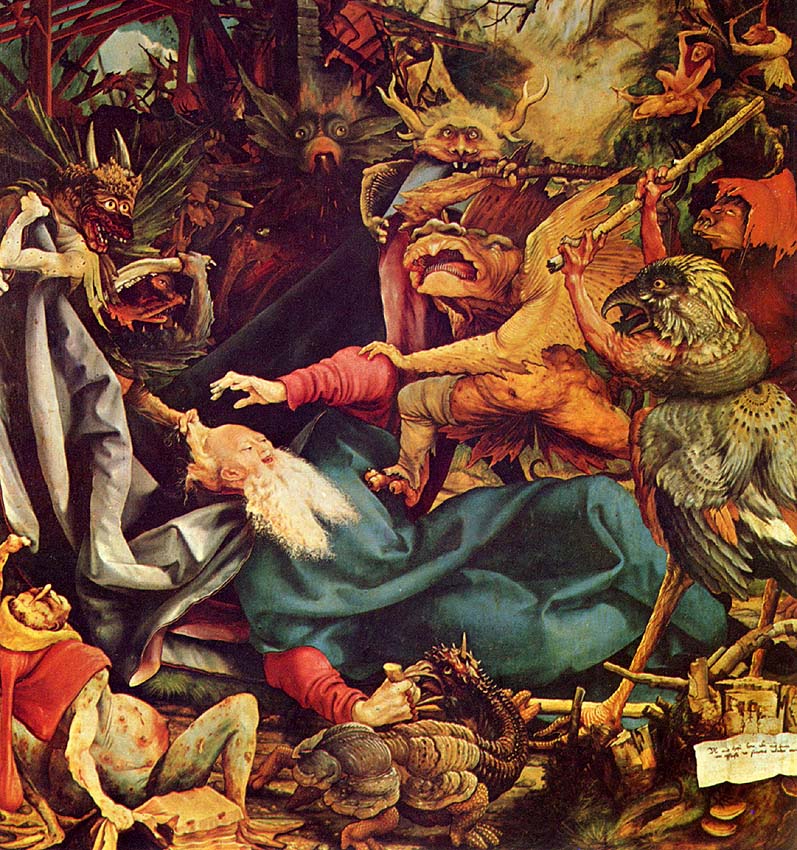
The Garden of Earthly Delights, right panel - Detail

The Garden of Earthly Delights, right panel – Detail

Taking a page from Paul Bond’s book, I used a quote from Cormac McCarthy’s Blood Meridian for this post. Here is the entire passage:

A legion of horribles, hundreds in number, half naked or clad in costumes attic or biblical or wardrobed out of a fevered dream with the skins of animals and silk finery and pieces of uniform still tracked with the blood of prior owners, coats of slain dragoons, frogged and braided cavalry jackets, one in a stovepipe hat and one with an umbrella and one in white stockings and a bloodstained wedding veil and some in headgear or cranefeathers or rawhide helmets that bore the horns of bull or buffalo and one in a pigeontailed coat worn backwards and otherwise naked and one in the armor of a Spanish conquistador, the breastplate and pauldrons deeply dented with old blows of mace or sabre done in another country by men whose very bones were dust and many with their braids spliced up with the hair of other beasts until they trailed upon the ground and their horses’ ears and tails worked with bits of brightly colored cloth and one whose horse’s whole head was painted crimson red and all the horsemen’s faces gaudy and grotesque with daubings like a company of mounted clowns, death hilarious, all howling in a barbarous tongue and riding down upon them like a horde from a hell more horrible yet than the brimstone land of Christian reckoning, screeching and yammering and clothed in smoke like those vaporous beings in regions beyond right knowing where the eye wanders and the lip jerks and drools.

And that’s just a taste of how hauntingly awesome this work is. This is my second time reading Blood Meridian in five years, and I have to say it has been even better the second time around. That said, as Paul and I had a long, meandering discussion about the book I couldn’t help but remember why I love reading and talking about great books. So much fun. Paul, as he often does so well,succinctly summed up the conversation much better than I ever could (I am long-winded by nature) in his post on the discussion. One of the things we touched on was the time period of Blood Meridian. It is set soon after the Mexican-American War in the summer of 1849, well before most of the “how the West was won” stories often set between the 1860s and the 1910s. The idea came up that the West was effectively won during the Mexican American War when the US government annexed a third of its current land in less than two years. A moment that can be easily framed as an early impulse towards imperialism in the U.S. It could be argued what comes after 1849 is more akin to the law and ordering of the spoils after this conquest. In fact, Blood Meridian takes you to the darkest, bloodiest vision of what that “clean-up” might have looked like.

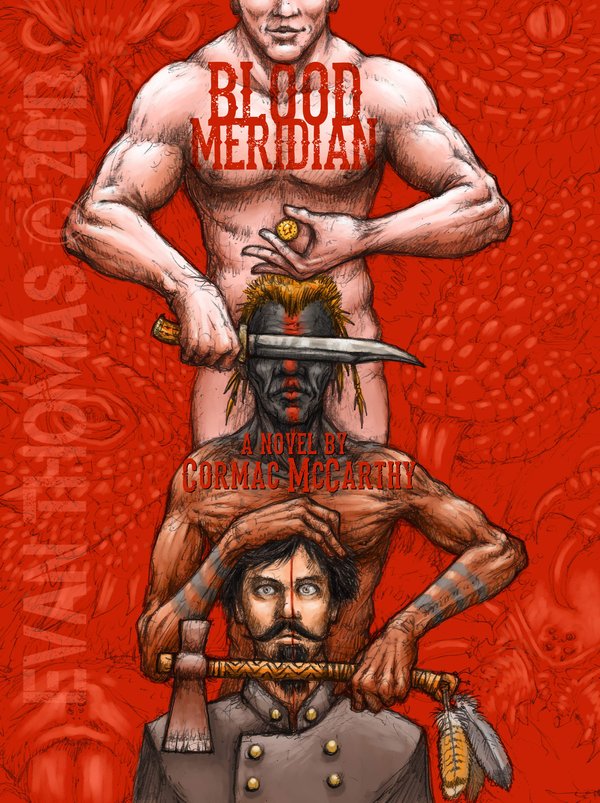
"Blood Meridian Cover" by ECTMonster

“Blood Meridian Cover” by ECTMonster

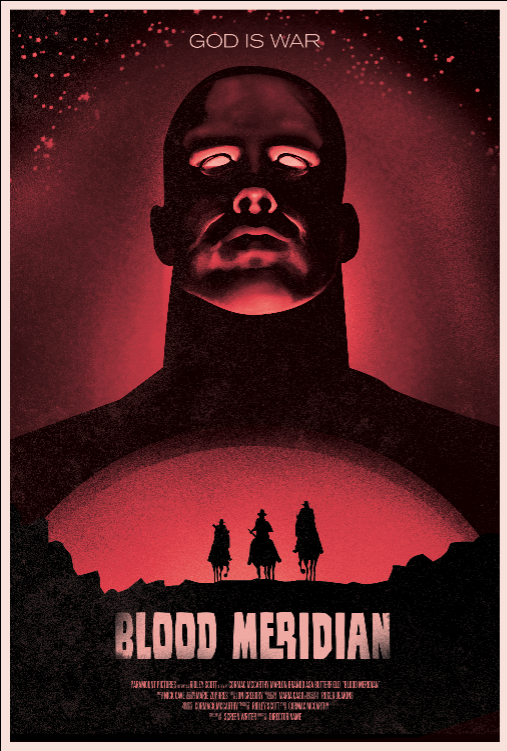
I also got the chance to share some of the artistic interpretations of book covers and movie posters I found for Blood Meridian. They are pretty telling:

Image credit: Mike Fenn's Blood Meridian Movie Poster"

Image credit: Mike Fenn’s “Blood Meridian Movie Poster”

The video runs long, but it was a blast and I have really missed taking some time out of my schedule to catch up with Paul for a chat about books, film, comics, etc. There will hopefully be more where this came from.

Posted in books, digital storytelling, literature | Tagged , , , | 2 Comments

The Underwater World of Networks

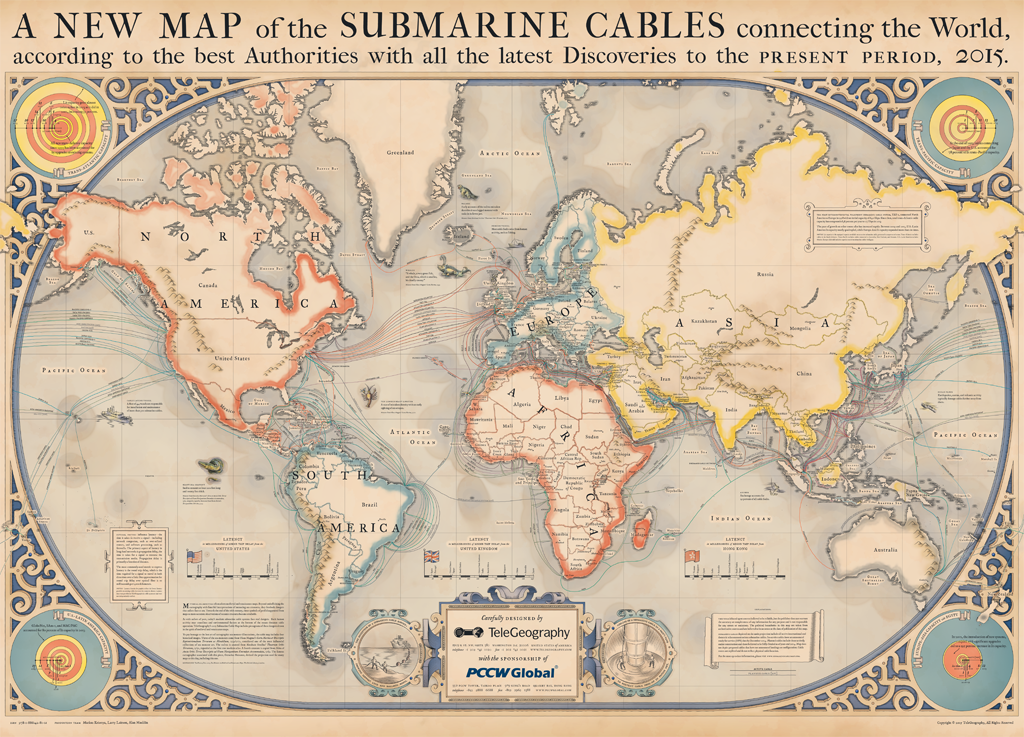
submarine-cable-map-2015-l-1

Image credit: TeleGeography’s Submarine Cable Map

Cross-posted at the CUNY Academic Commons News site.

While exploring CUNY’s Academic Commons, I came across an announcement on the CUNY Digital Humanities Initiative blog about an upcoming talk at the Grad Center:

At the Edge of the Network: A Talk with Nicole Starosielski


The post immediately caught my attention because I had seen announcements of Nicole Starosielski‘s book The Undersea Network on Twitter, and her work inhabits one of the more fascinating fields of interdisciplinary inquiry, sometimes referred to as Media Archaeology. I had my own exposure to how cool this field can be when I went to visit the Media Archaeology Lab at UC Boulder last Spring. So when I saw the the Grad Center was hosting a talk with professor Starosielski’s research on the underwater infrastructure that undergirds the digital network we come to take for granted made me a bit jealous I’m currently on the other side of  the Atlantic. So I searched out resources about the book, and I came across this hour long interview by Carli Nappi in which Starosielski discusses her work in some detail.

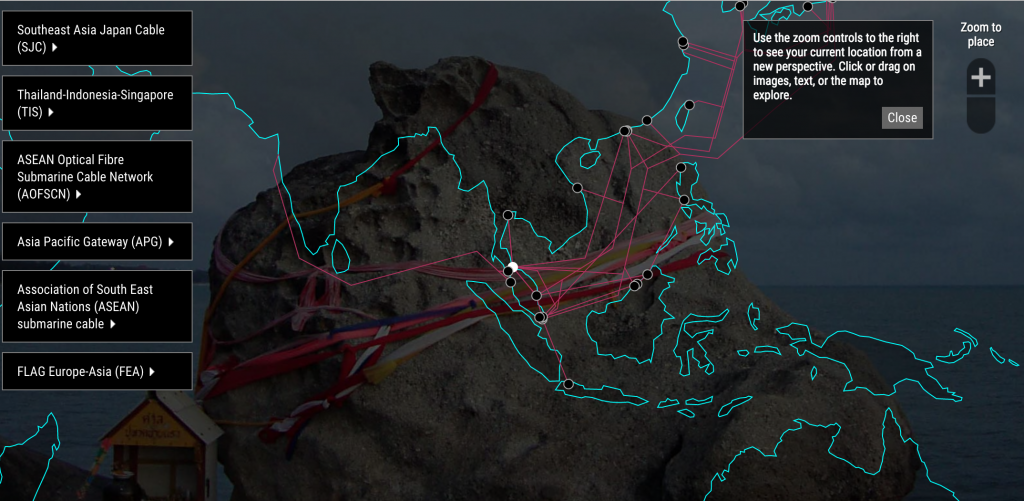
The interview does an excellent job of embedding the cultural and colonial significance of these cable networks within specific environments and ecologies. She explores the relationship between two ostensibly unrelated histories such as telecom and fishing, not to mention the ways in which the transoceanic history of colonialism maps on top of the 21st century network of underwater cables that drive the “cloud.” The networks of power that can be traced through this material underwater network ;provides for truly compelling and relevant media archaeology for the world we live in. The interview also pointed me to an interactive site,  Surface.in, the authors created as a companion to the book, or as Starosielski suggests, the book is a companion to the website. The site provides an interactive map of this underwater network, giving the curious user various points of entry into this submarine network.

The Underwater Network companion site: Surface.in

The Undersea Network‘s companion site: Surface.in

This is an fascinating topic, and I have ordered the book because kind of broader inquiry into the importance of the materiality of networks for edtech, something I had the good fortune of listening to Audrey Watters speak about brilliantly in Barcelona, is essential to a broader understanding of the work we do. I went searching for other talks or interviews about this topic/book on the web and came up with nothing else. So, I hope the folks at CUNY’s Digital Humanities Initiative consider getting and posting a recording of the talk and discussion because they would have at least one viewer/listener in Italy. That’s an immediate global audience 🙂

Posted in Citation Needed | Tagged , , , , , | 1 Comment

Six Months an Apprentice

handSince late July, early August I have been focusing a lot more of my time on wrapping my head around the Reclaim Hosting server infrastructure, as well as providing support to folks using it. It’s been a welcome deviation from the career trajectory I’ve been on for the last ten years. You see, when you get into edtech in higher ed, often you have the starting position of something like instructional technologist, learning designer, media specialist, etc. You can then move on to something like coordinator, manager, assistant director, or director. In some instances, and with the right credentials, there may even be more—some kind of assistant VP or associate provost gig. But in the end, it’s all pretty much middle management admin hell after instructional technologist—the only truly pure job. And, as you are pushed along this pre-defined career track, it’s easy to move further and further away from the actual work and deeper and deeper into a culture of meetings, administrative trivia, and managing others. Don’t get me wrong, some folks like this stuff and are good at it, but that’s only because they have been institutionally lobotomized 🙂
20151204152013

Anyway, I got off that carousel of denial in September, and one of the nicest things has been that I could focus more of my energy on the actual work. Not managing up or expectations or for success, or any of that nonsense. I avoided this for about as long as I could at UMW, but the writing was on the wall: you can’t remain outside of the expectations of institutional conformity forever if you want to be a house cat. I remember during the EDUPUNK insurgency folks called me out for being a hypocrite proclaiming some vision of “radical” edtech (why is shunning clunky corporate tools radical?) while working as part of an institution and being insulated by the freedom and security of higher ed. But for me any sense of security and freedom in higher ed increasingly vanished over my ten year career. By leaving I was actually able to return to doing the work I love without feeling the psychic drain of being pulled in a million different directions.

So, six months later (and with fewer friends 🙂 ) I’m in the process of re-focusing my work on how to build, scale, and support a web hosting infrastructure alongside Tim Owens, who has been the best teacher you can imagine. Neither of us have any experience in running a business, so we have been very practical in our approach. We decided early on to be completely free of investment money, loans or debt of any kind. And we have been able to do that by running the business lean. Our main overhead is server costs, licensing fees for cPanel and WHMCS, and over the last year salaries. This year we have started building a reserve so we can avoid the misguided logic of constant growth and scale as the irrefutable recipe to success. We’re not trying to become hosting magnates, rather to be a sustainable, independent edtech shop.  Indie EdTech #4life.

shop front

Getting to this point has been no mystery. We have a network of folks that supported us as we got started. There is no question they’ve been, and continue to be, crucial to our success. But that can only go so far when you’re providing a service folks depend on. So, we approached this practically as well: simply provide stellar service. And I think we have done that so far.

As yesterday can attest to, everything isn’t always perfect in Reclaimland and we have our issues time and again. But we communicate with our community regularly about any and all problems, as well as our ideas, aspirations, and principles. We understand the work we do as part of a broader conversation, which means it is not alienated and divorced from what people are trying to do conceptually.  I think it’s apparent when you have a technical issue that we’re going to solve it fast, but folks also recognize that every communication is part of a larger conversation around empowering the edtech community to reclaim the web for teaching and learning—something I remain passionate about even if I’m a bit burnt on institutional culture.

All that said,  I am very much an apprentice in this whole enterprise. I’ve been learning tons about cPanel server administration since August. I have setup numerous Domain of One’s Own packages; experimented with getting self-hosted versions of Sandstorm spun-up; and migrated institutional servers over to Linode. It’s been really rewarding to have the time and energy to get schooled in what should be one of the core competencies of edtech: agile infrastructure. I’m not necessarily there yet, but I’m closer than I was 6 months ago, and I’m not letting up anytime soon.

Posted in reclaim | Tagged , | 2 Comments