Make it stop!

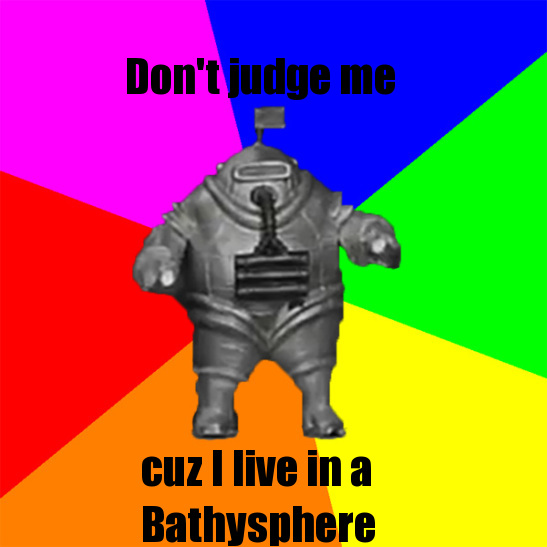
Because I love Scottlo!

invaders_scottlo_rif

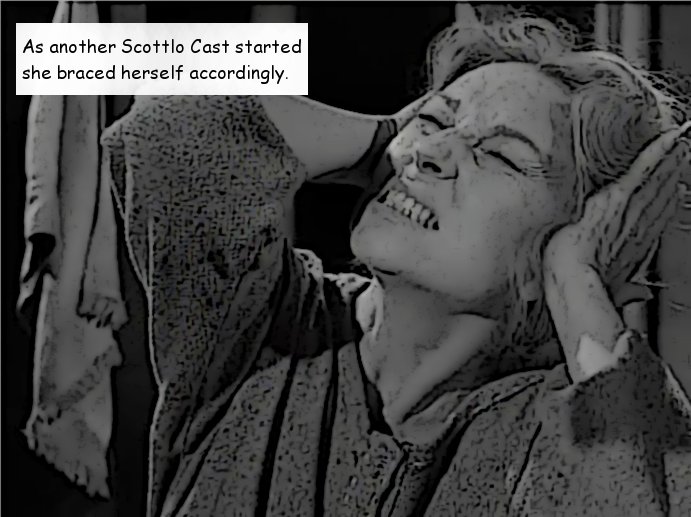
We all know nothing could be further from the truth given the cool, mellifluous tones of the great Scottlo, but I want to poke fun. This is the Comic Book Effect assignment, which is pretty straightforward. I took a screenshot from the Twilight Zone episode “The Invaders” and brought it into GIMP and added the Filters–>Artistic–>Cartoon effect twice. After that a selected an area on the image with the selection tool, then airbrushed it in white. FInally, I added the text in black and that’s all she wrote.

1 star which makes 19.

Posted in digital storytelling | Tagged , , , , | 3 Comments

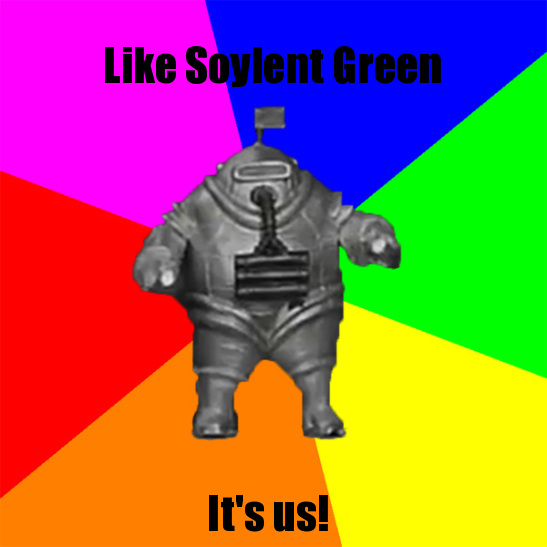
The Invaders Meme: Misunderstood Diskman

I love this assignment by Brian Short (which he blogged here) inspired by this assignment by UMW #ds106 internaut Charles . So I tried a few, and I am giving myself two more stars cause I can 😉

misunderstood-diskman_its_us

misunderstood-diskman_bathysphere

misunderstood-diskman_sellers

I wonder who is gonna find the joke in that last one.

2 stars (that’s 18 now, need to get 20 done before sundown)

Posted in digital storytelling | Tagged , , , | 2 Comments

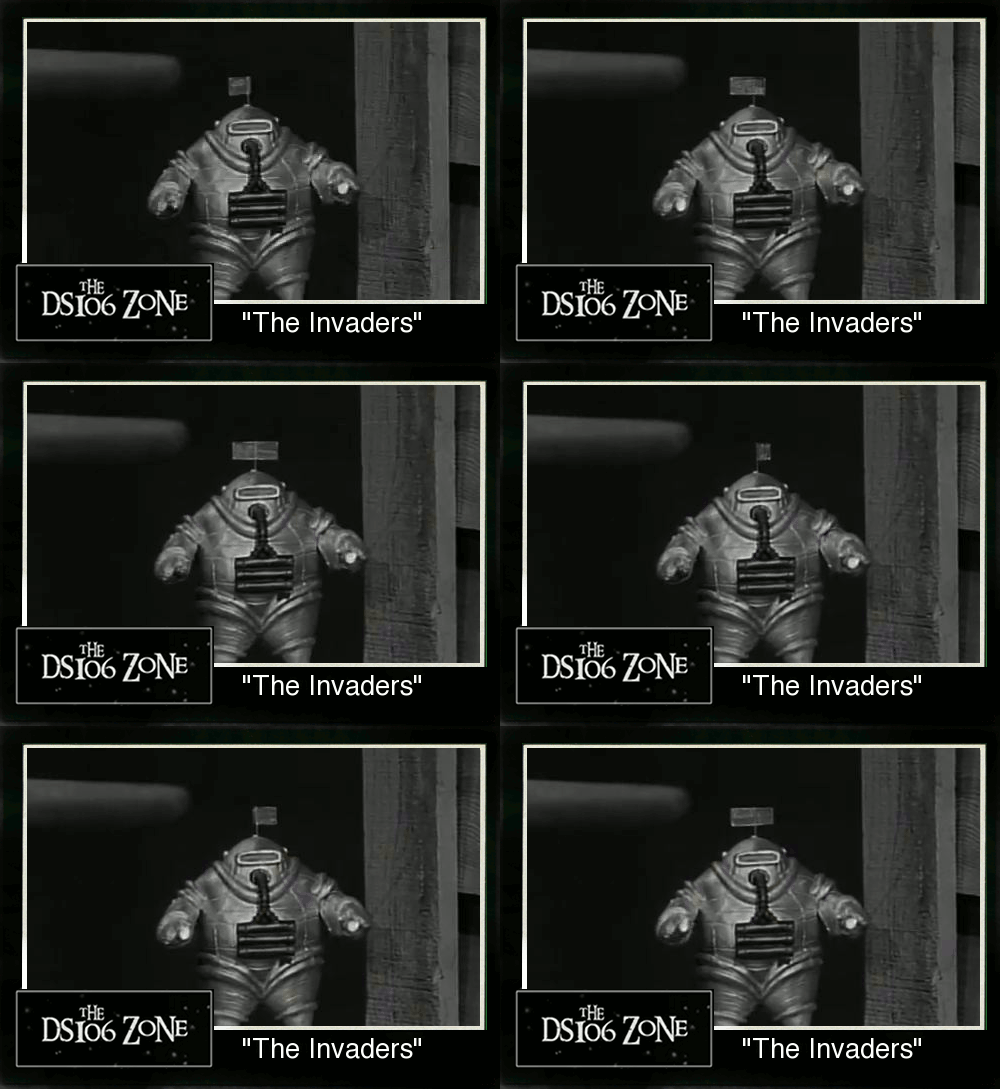
ds106 Zone Animated Trading Cards: The Invaders

ds106zone_trading_cardInspired by Andy Forgrave—as I so regularly have been recently—I tried my hand at an animated ds106zone trading card. I cooked up a quick 4 star example of the animated movie trading card assignment for the beginning of many ds106zone trading cards. You better believe that I, like Andy, will be coming back to this one. I used my own card template, but Andy’s is much better so when I have time I will be re-doing his vertical template, as well as create a landscape version. I’ll save them both as an XCF card template file for GIMP for anyone to use. What’s more, it may come in useful alongside this tutorial for how you can approach this assignment using GIMP.

4 stars (that’s 16 if you round up,  baby!)

Posted in digital storytelling | Tagged , , , , , | 1 Comment

The Invader with Warhol Effect

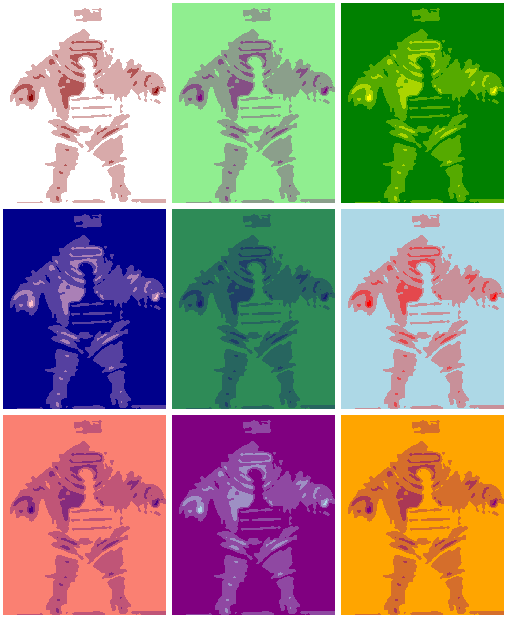
invaders_warhol

twilight-zone-season-2-15-the-invadersThis is an easy on inspired by  Katy Chase, who did an Invaders-inspired version of the Warhol Something assignment.  I haven’t done it yet, so I figured what the hell! I simply cropped out an image of the “alien” from the Twilight Zone episode “The Invaders” (you can see it to the right), and then I ran in through this LunaPic Warhol effect site, and BAM! Just be sure to right-click on the image and save it to your computer to upload it on your site.

Eventually I am gonna try and animate each of the 9 image with there various Warhol-inspired colors, but that will be a design assignment for next week, cause I gotta move.

2 Stars Easy as pie!

Posted in digital storytelling | Tagged , , , , | 6 Comments

Classic Twilight Zone Animated Vintage Clipart

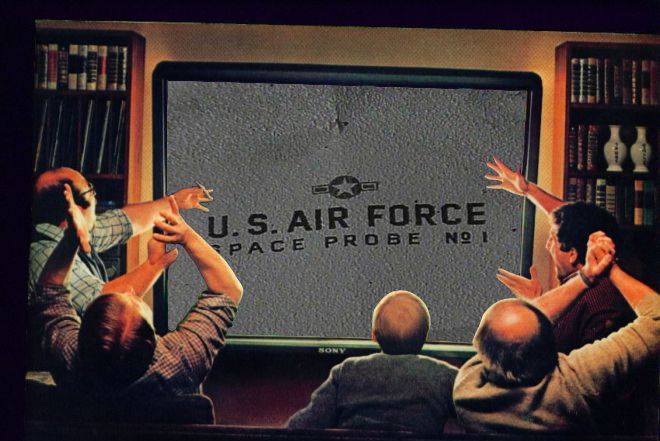
Riffing on Brian Bennett’s awesome version on the “Graphic Gift” assignment, I downloaded his template and put in the reveal moment for of the classic “The Invaders” episode for a quick three stars (recommended):

invaders_reveal

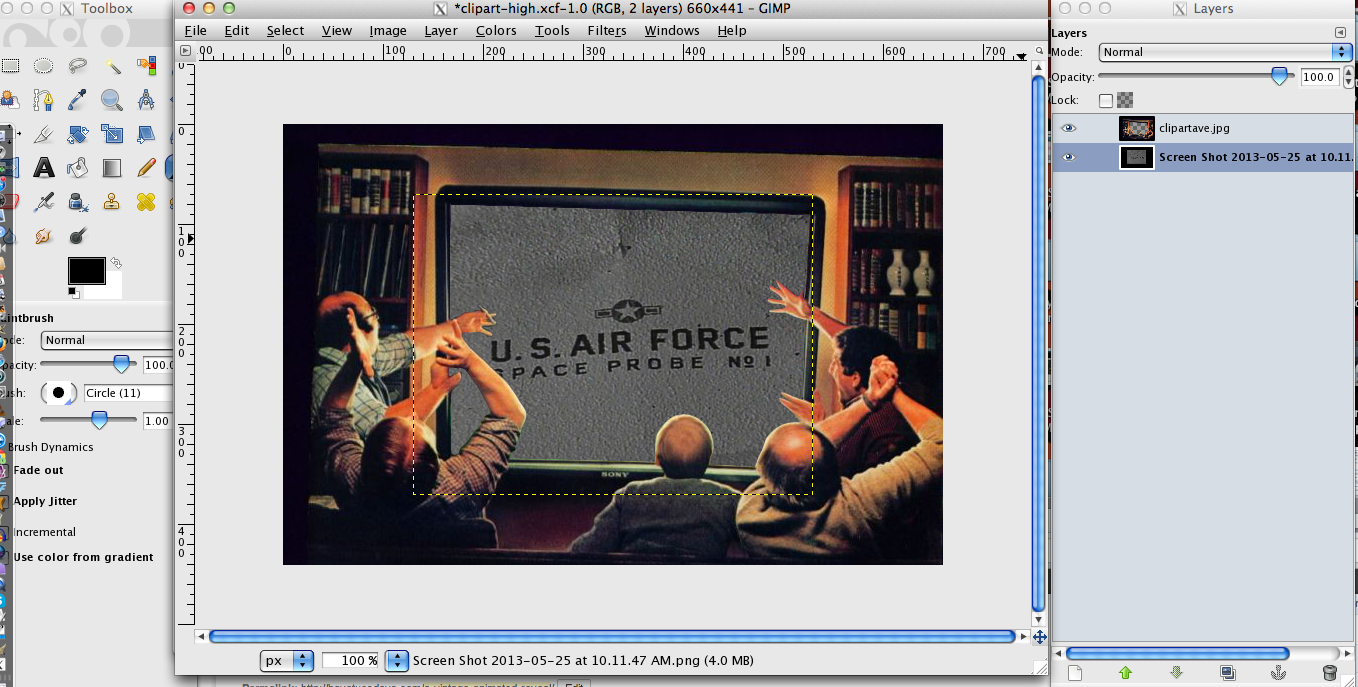
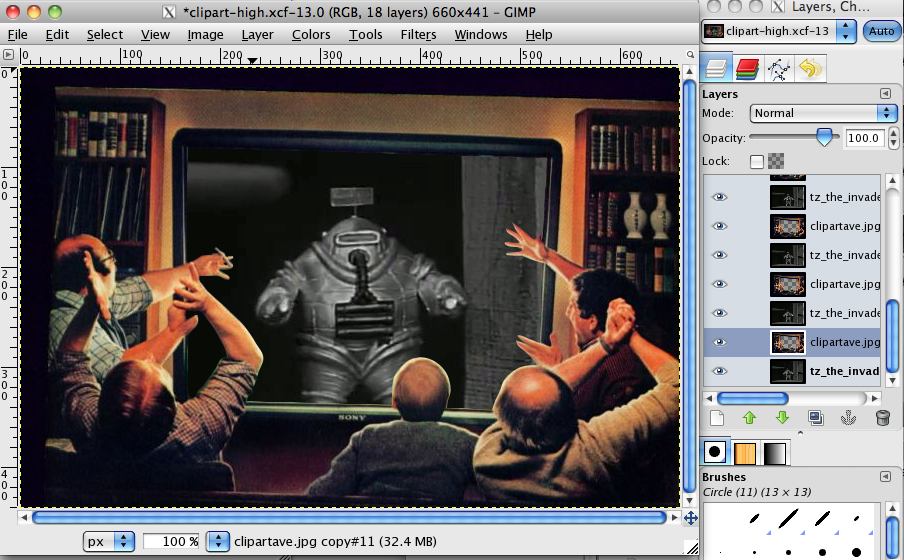
This was pretty simple (standing on the shoulders of giants is allowed 😉 ), I just opened Brian’s clipart-high.xcf file in GIMP, and then imported the screenshot of the US Airforce as another layer.

After that, I dragged the layer with the TV transparency to the top.

Screen Shot 2013-05-25 at 10.13.00 AM

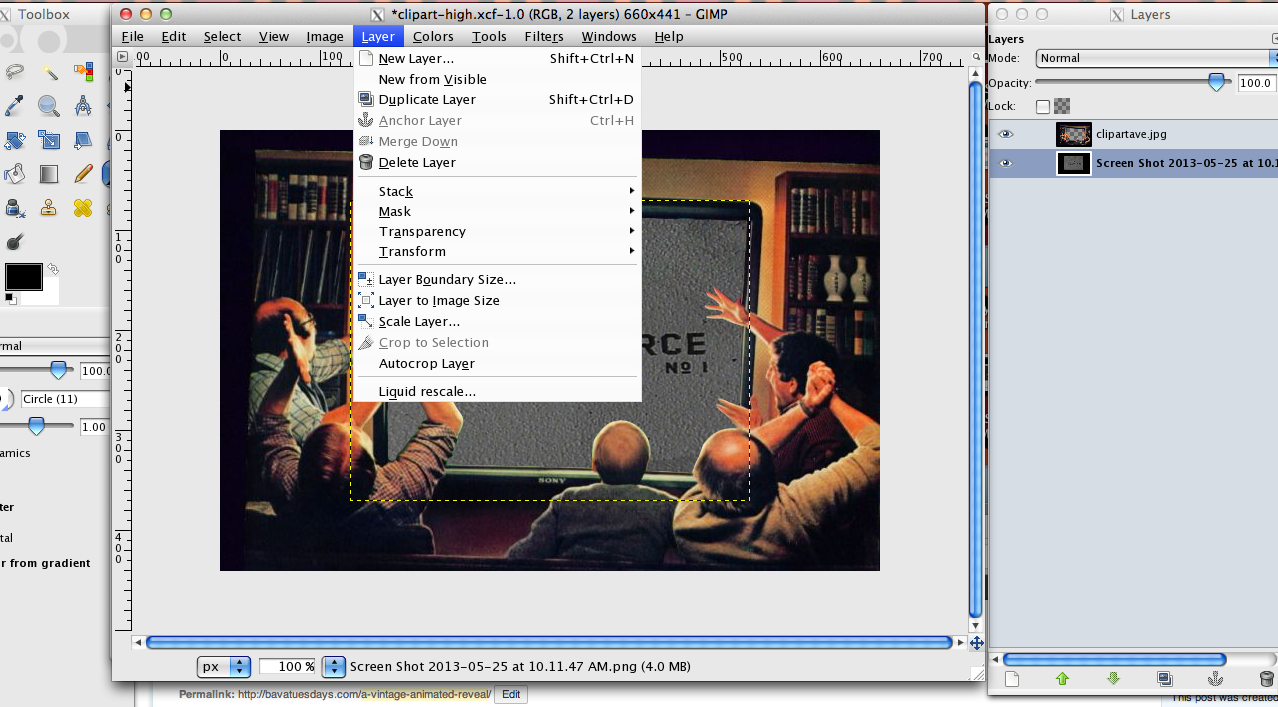
Then, I made sure the US Airforce image layer was selected and scaled it to fit in the transparency area cleanly by going to Layer–>Scale and changin the size dimensions.

Screen Shot 2013-05-25 at 10.13.14 AM

Now, after doing that I got the idea of animating a GIF in that space, which led me to this and earned me 3 and a half more stars (that makes 8 and half counting my “Real-life 8-bit art” submission 😉 I made the following GIF, see how here.

tz_the_invaders 1

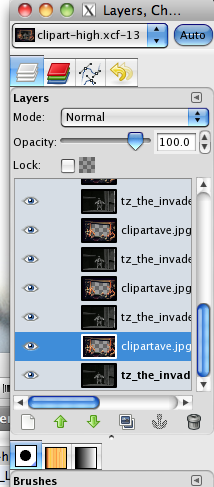
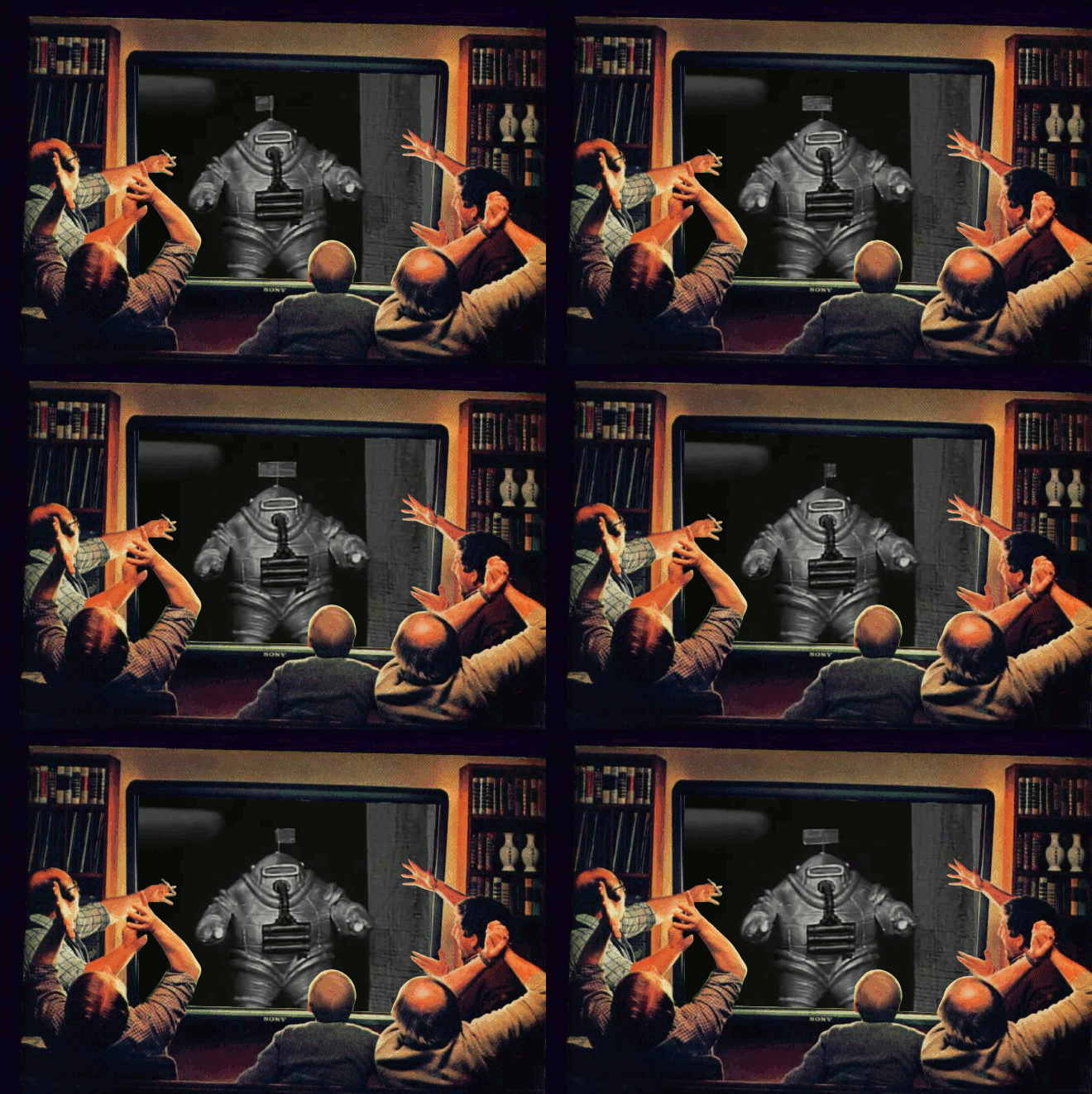
And then merged each of the nine layers of the GIF with a copy of the vintage template layer. Here is what I mean. I duplicated the layer of guys sitting around the TV nine times and put each one above a layer of the alien I animated.

Screen shot 2013-05-25 at 8.38.53 AM

Screen shot 2013-05-25 at 8.39.06 AM

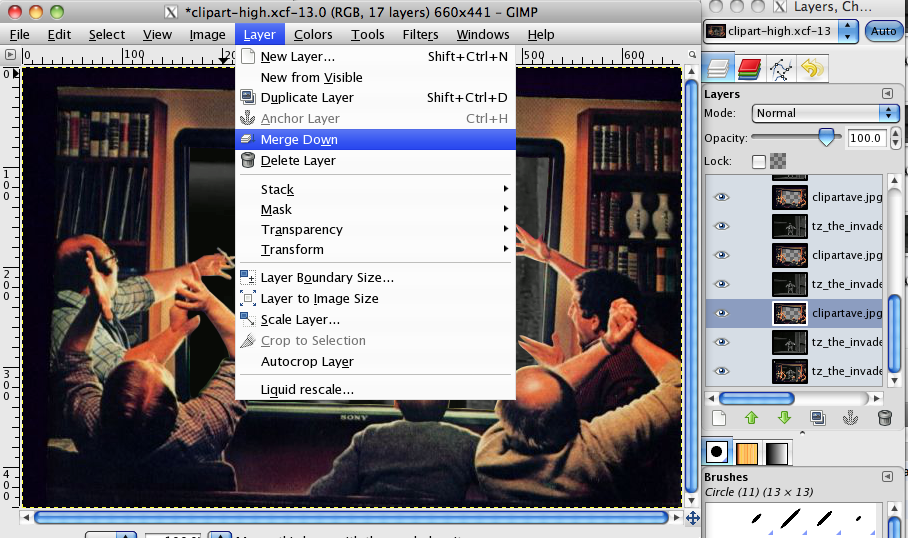
I then went to Layer–>Merge Down while selecting the layer above the alien (namely the guys around the TV). I merged each of the TV layers on top of each of the aliens.

Screen shot 2013-05-25 at 8.39.24 AM


After that, I saved the image as a GIF. Just be sure you scale the original animated GIF you import to map with the vintage image so that the two are roughly the same size. Trying to scale each layer image for size individually will quickly become a pain in the ass.

And, here is the final product:

invaders_reveal

Posted in digital storytelling | Tagged , , , , , | 4 Comments

Real-life 8-bit Art

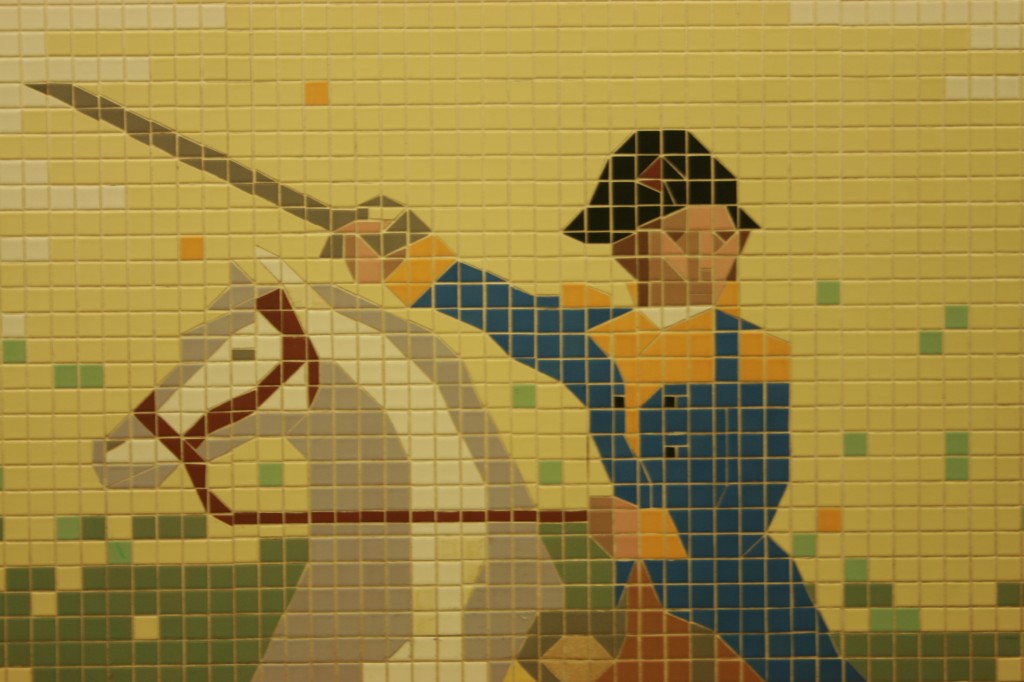
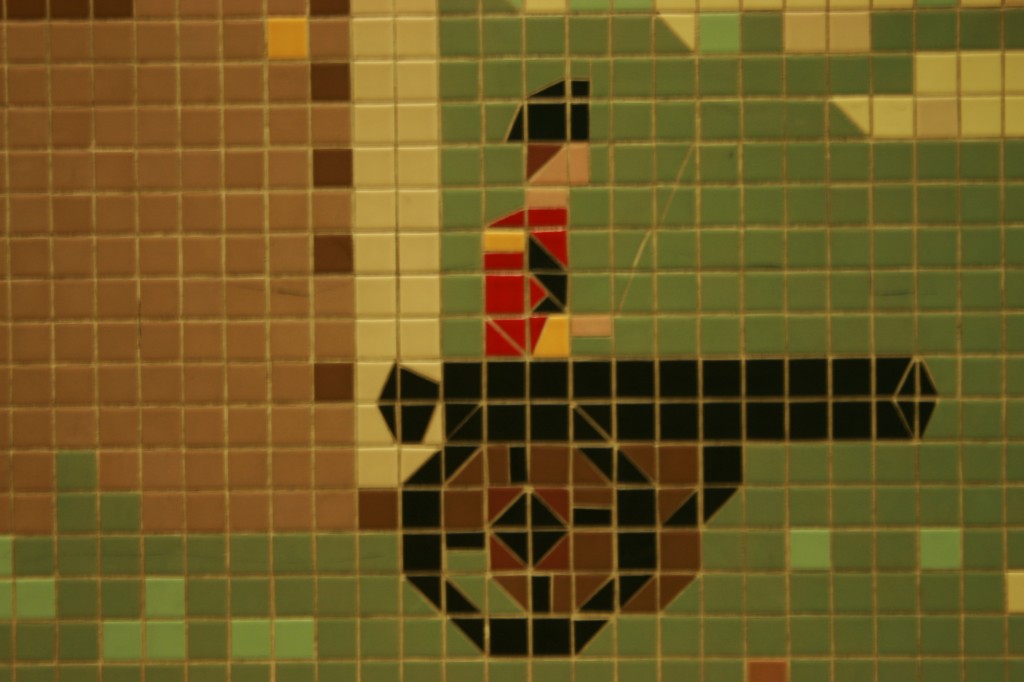
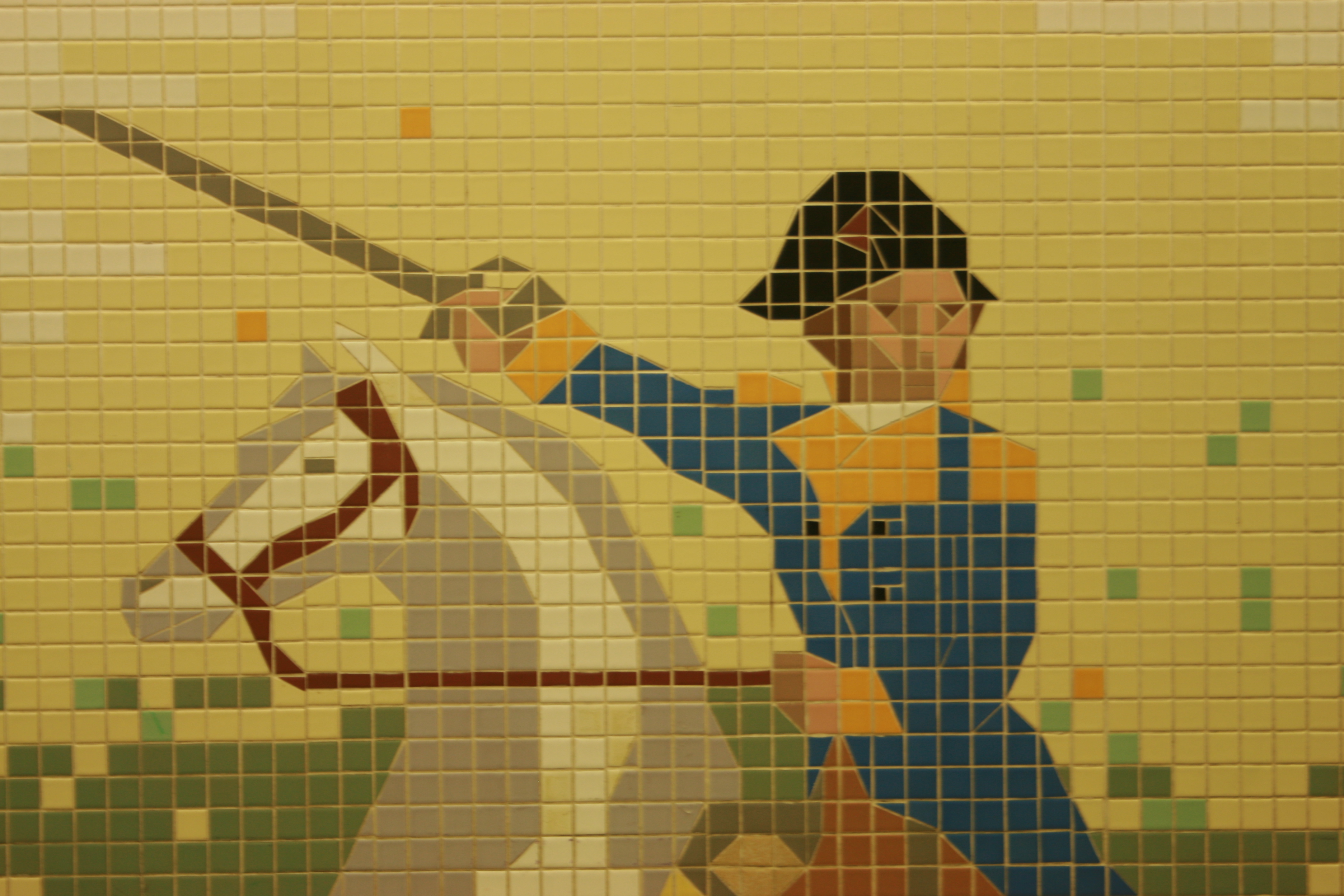
8-bit cannon and redcoat

8-bit cannon and redcoat

I’m just sitting down to catch up on the 20 stars of visual assignments and the 10 stars of design assignments I have to do by Sunday. The first week of #ds106 is always a tour-de-force, and I’m just getting settled a bit with the setup, the feeds, the syndication bus, etc. But it was easier than ever this time around thanks to the seemingly boundless support and genius of Tim Owens. This class is firing on all cylinders! Less than three days to get 26 students up and running with their own domains, not to mention blogging, tweeting, tagging, and wrapping their head around the distributed syndication bus—that’s pretty amazing when you think about it, but it’s becoming par for the course when it comes to #ds106. This course rocks!

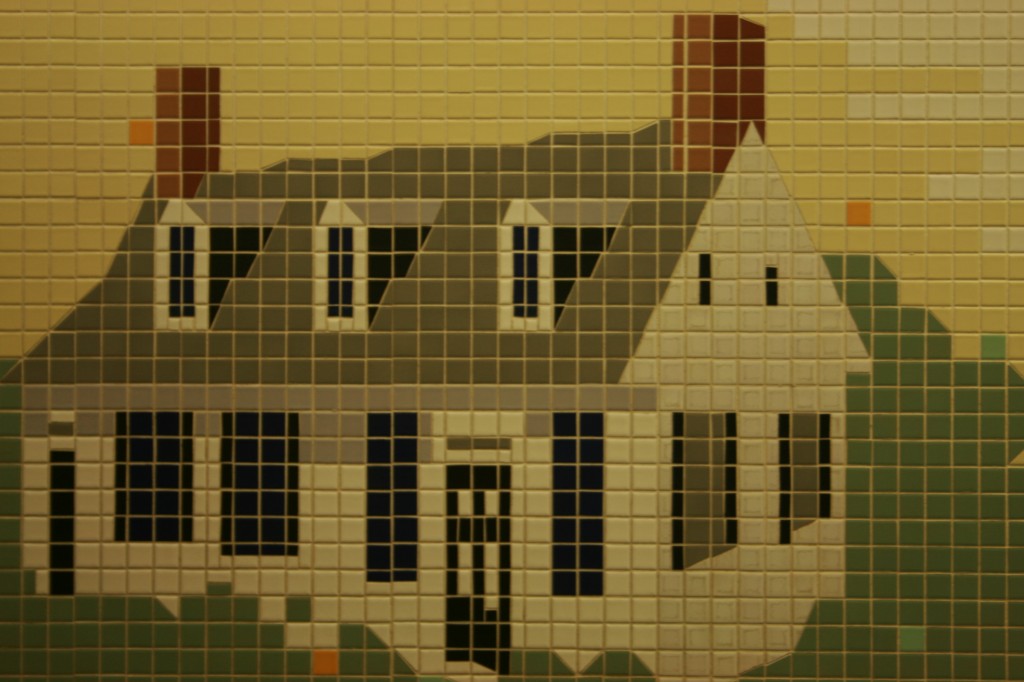
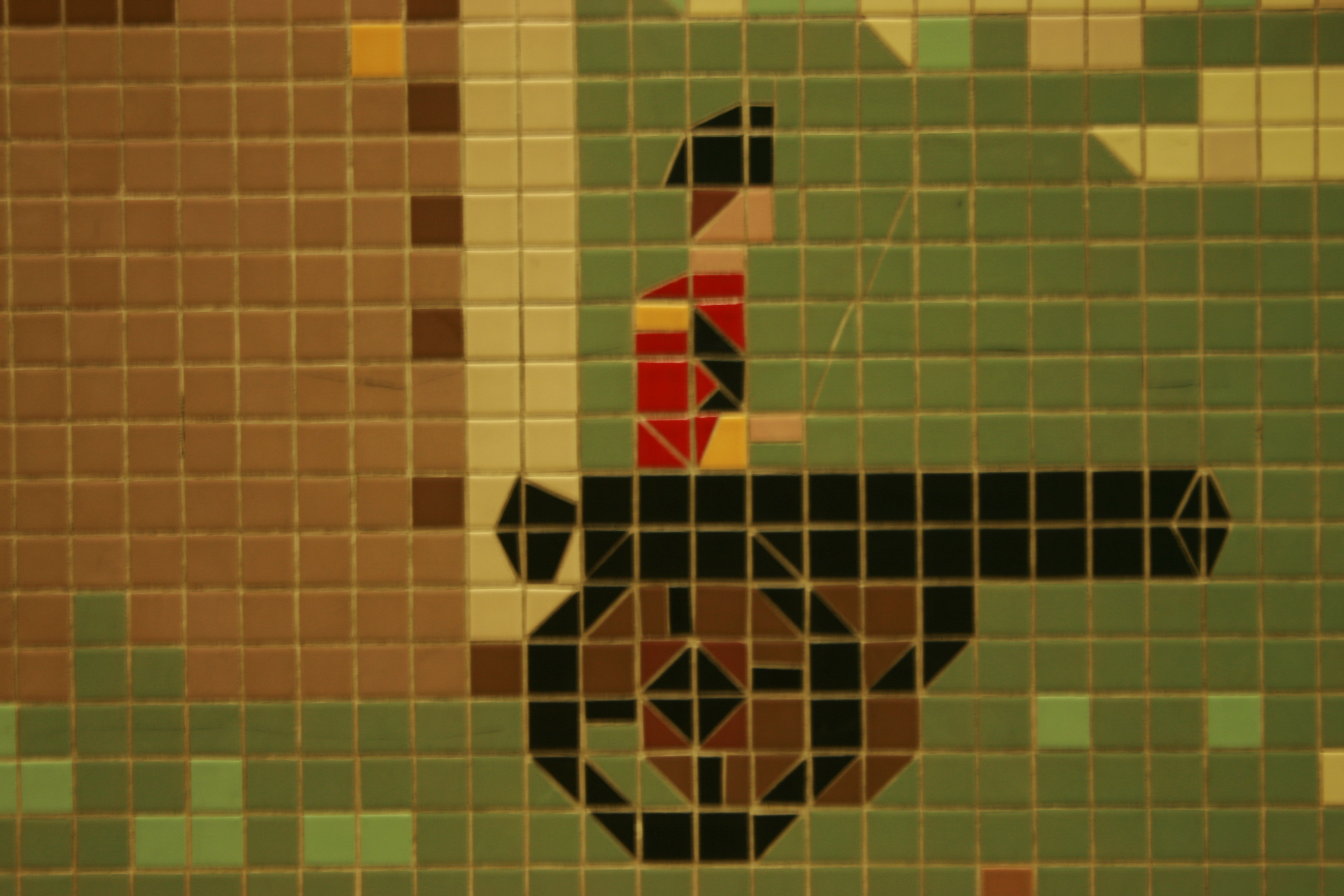
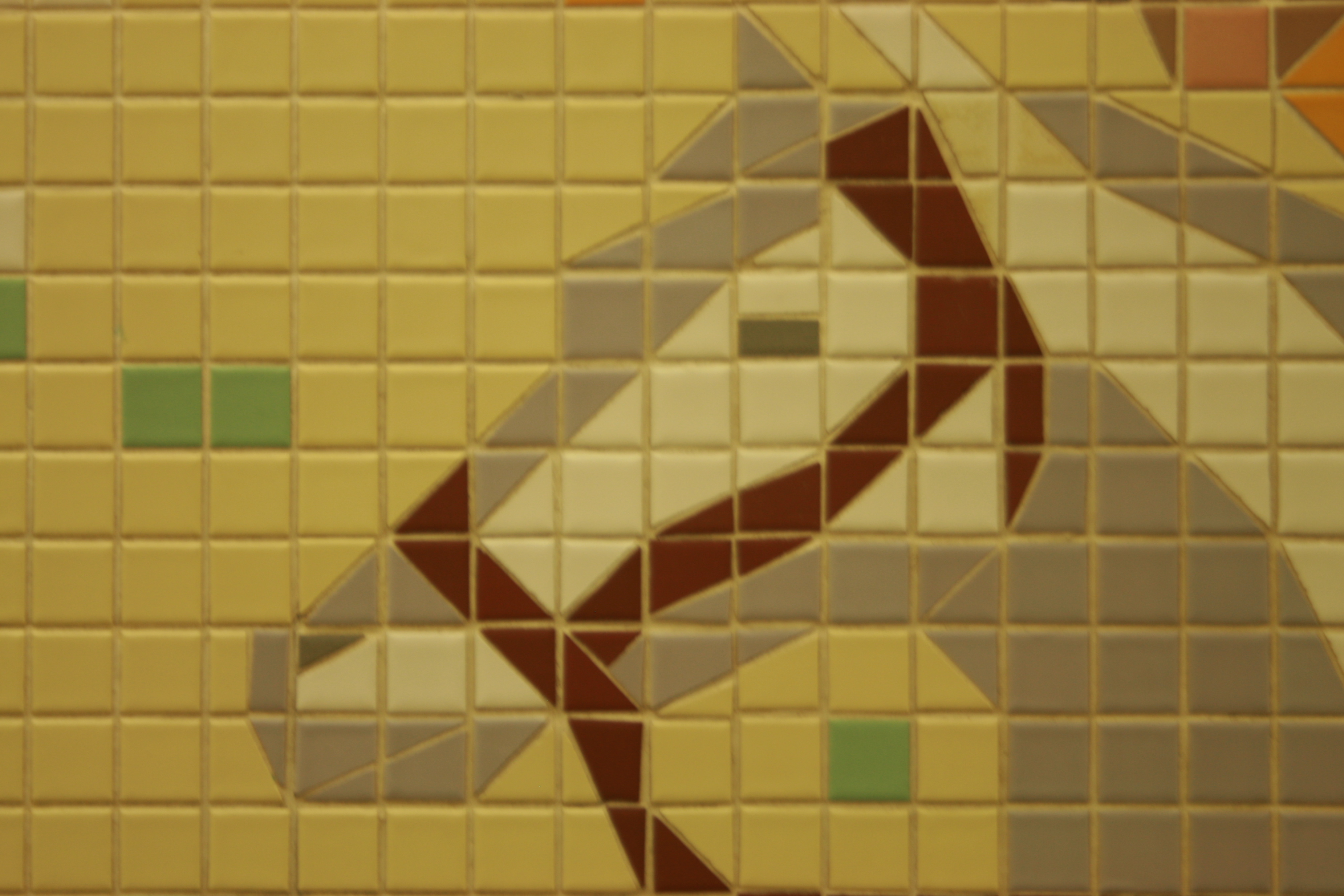
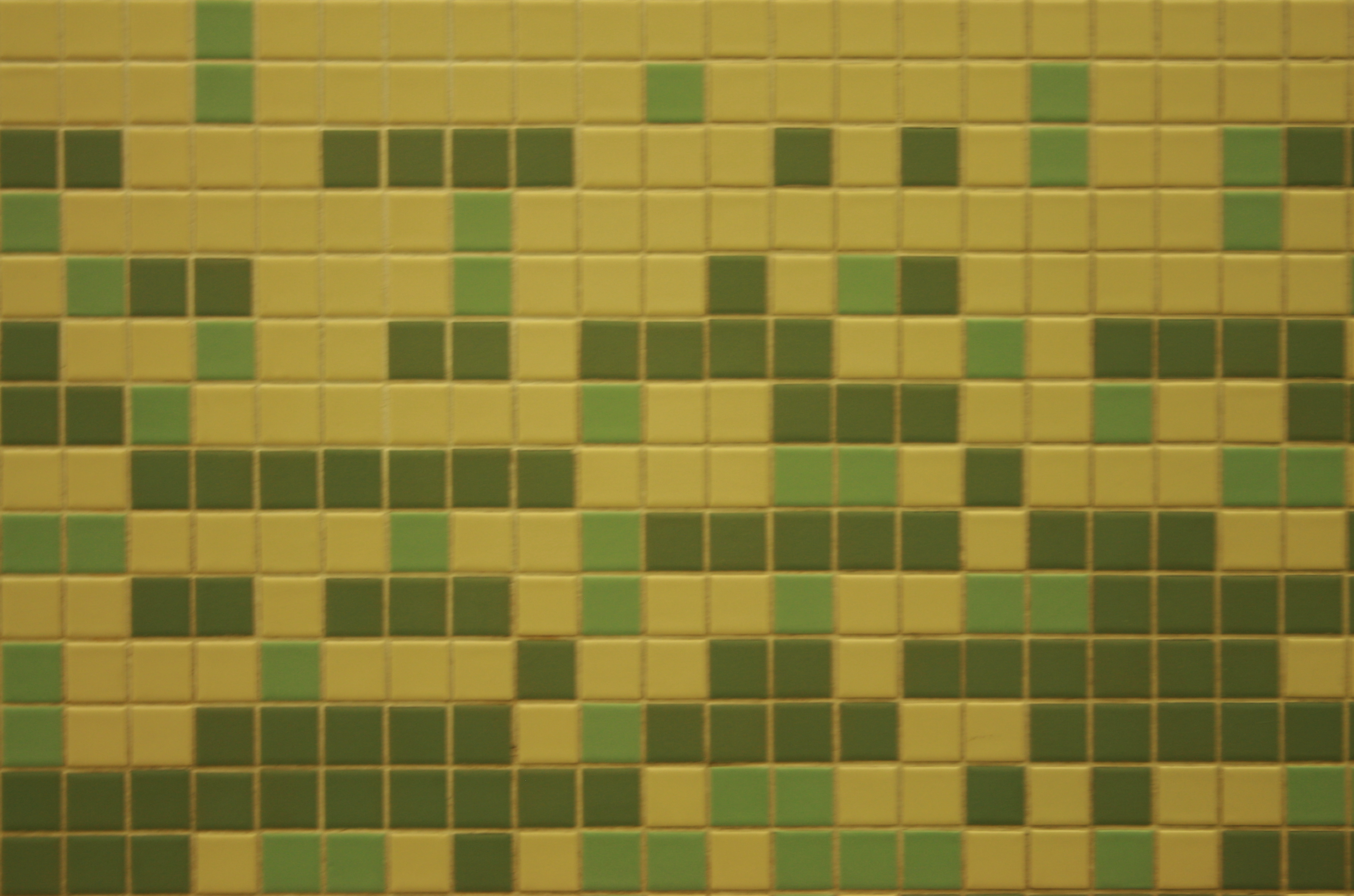
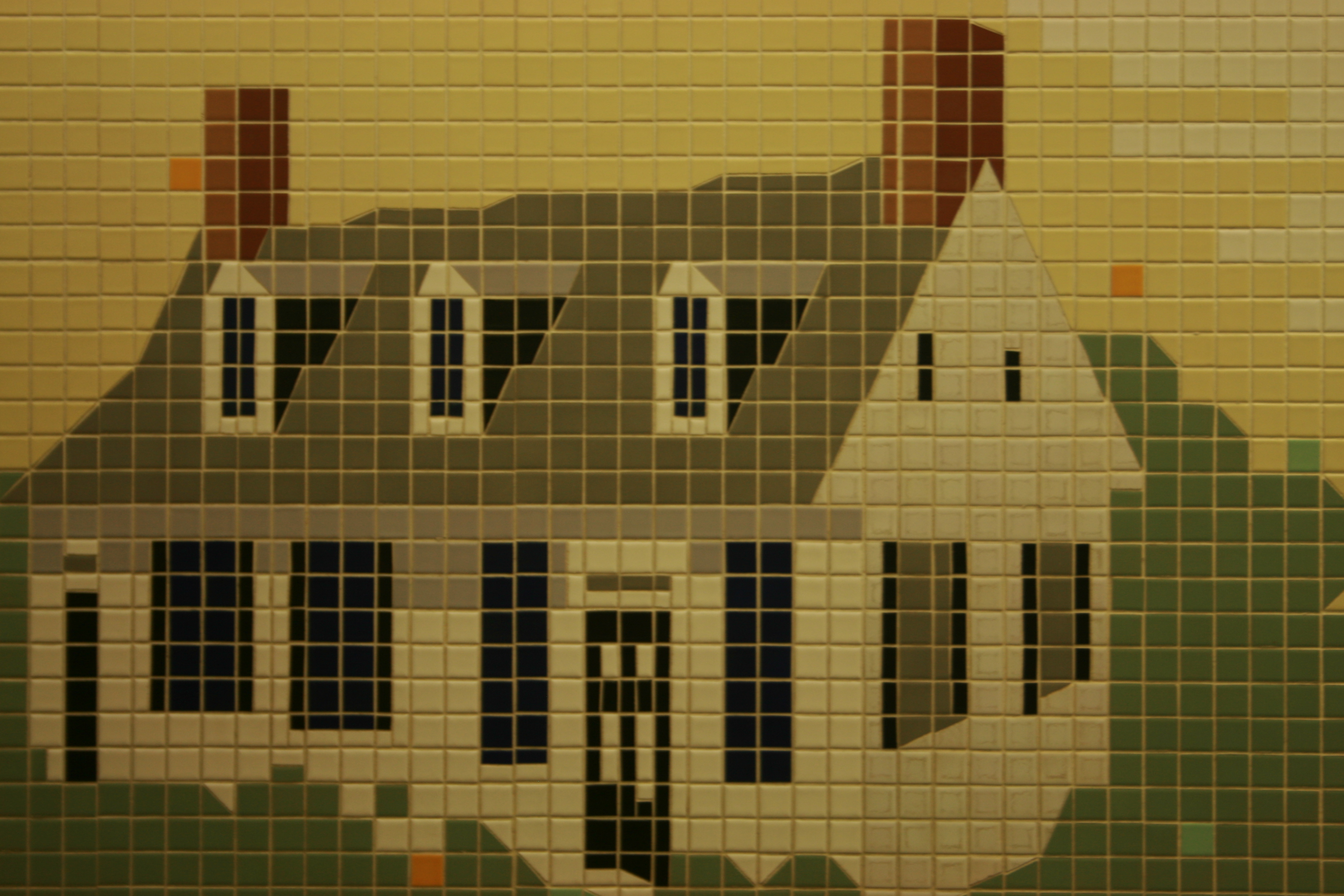
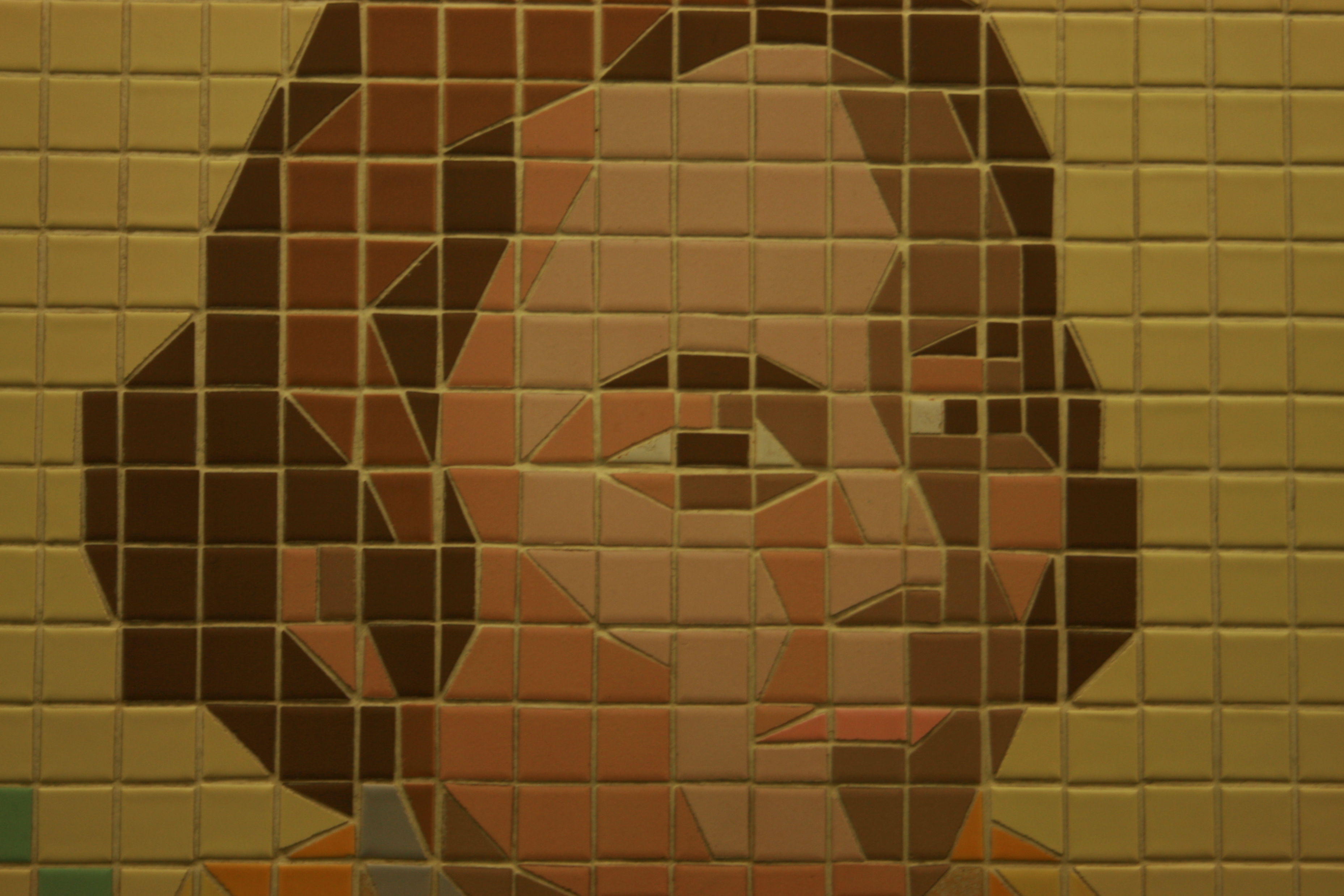
Anyway, I’ve been carrying a camera around to make sure I do the Daily Creates (no cellphone for me, so I need to go out of my way to create, unlike all you lazy ass smart phoners 😉 ) and it just so happens I was at the multicultural night at my son’s elementary school.  The table my family set up about Italy (forza Italia!) was in front of a huge, rather cool mosaic of the Revolutionary War history of Fredericksburg. I took my camera out and started snapping some shots, only to realize just how much this “real-life” art has in common with the popular 8-bit art of the digital world. So not only did I take some fun pictures in the “real-world,” but I created a new visual assignment called “Real-life 8-bit Art.” The description is as follows:

8-bit art is all the rage right now, and what is so compelling about it is that it’s all around us. Find or create 8-bit art in your real-world environment and photograph it so that you can share it here and actually get credit! Free yourself of the prison that is your computer, find 8-bit art in nature and release your inner-hippie.

I like that the assignment is open ended, take a picture or use something in nature (or your house, etc.) to create 8-bit art in the ral-world. Now some of you might be saying, “Hey, WTF?” How can you just take images of a stupid mosaic and call it an assignment?’ Well, I can do it because this is #ds106, and you can do it too, dammit. Let’s go, stop feeding of the masses, and create something already.

Anyway, here are my images from the mosaic, I really kinda love them 😉
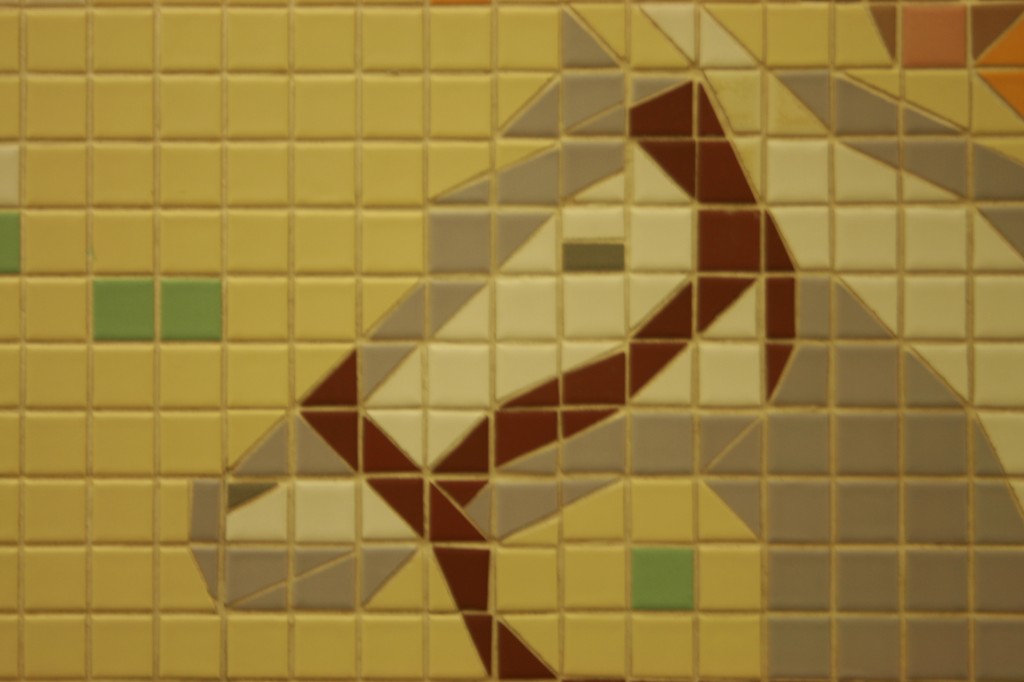
8-bit Horse
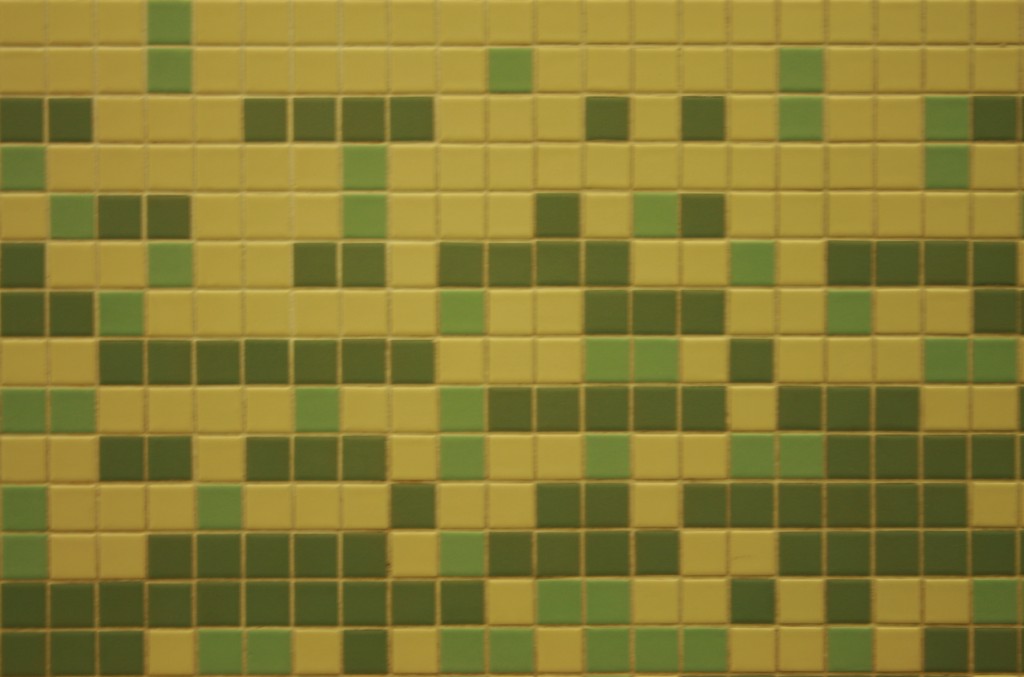
8-bit Horse

Tetris

Tetris

8-bit Brit

8-bit Brit

8-bit George Washington

8-bit George Washington

8-bit colonial house
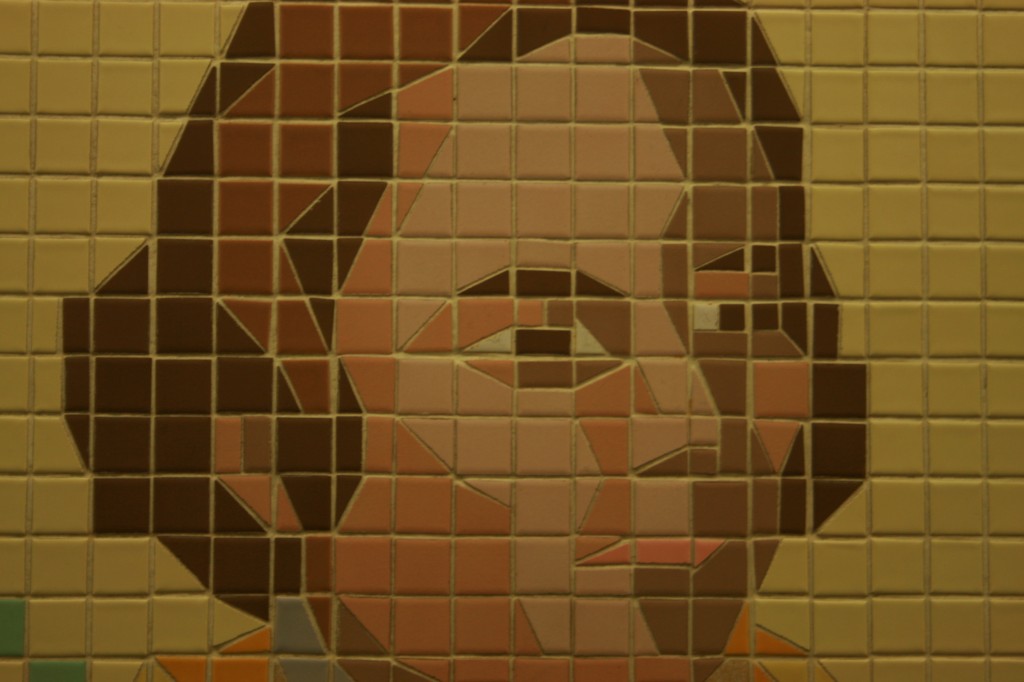
8-bit colonial house

8-bit Hugh Mercer

8-bit Hugh Mercer
Posted in digital storytelling | Tagged , , , | 6 Comments

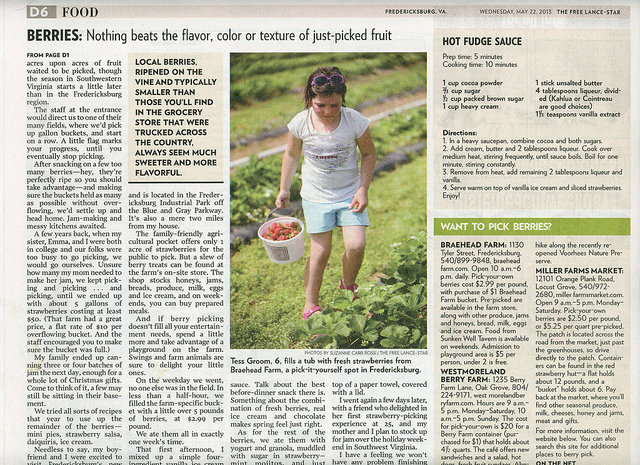
Tess in the News

Tess in the News

My daughter, the great Tessy, was featured in an image in the local newspaper, The Freelance-Star, given her prowess at picking local strawberries. What’s interesting is that there is a farm right in the middle of the city of Fredericksburg (Braehead Farm),that I had no idea existed until recently. Just when you think you have a small town figured out.

Posted in fun | Tagged , | 1 Comment

ds106 presentation for the College of Wooster

Earlier today I fired up ds106.tv to share my thoughts about ds106 with the 2013 Faculty Fellows program at the College of Wooster. The timing was right because I just started a Summer session of ds106 this Monday, and my head is spinning from the experience—it’s been more than a year since my last ds106 class. Coming back to the class gave me what I like to think is a more nuanced idea of the elements of community buttressed by a participatory, syndicated architecture that makes ds106 so awesome. The argument undergirding this presentation is that what’s unique and relevant about ds106 for teaching online, in particular, is that both the class and the larger community models the distributed, open principles that make the web so radical. So rather than aping a monolithic silo that happens to have a URL, like most LMSs and by extension xMOOCs, ds106 inhabits the ecosystem of the web that scales at the level of the individual learner. It was a fun presentation to give! And I hope the faculty at Wooster got something out of the discussion.

A special thanks to Jon Breitenbucher for inviting me, and I can rest assured that Alan Levine‘s workshop and presentation on-site made up for any of my glaring omissions. It almost feels silly for me to talk ds106 remotely when the man who has ruled that class for the last year was there in-person. Nonetheless, I appreciate the opportunity, it helped me fine tune a number of thoughts that have been churning in my head around community and architecture as it relates to ds106, as well as how it might be applied more generally.

A few notes about the recording, I have to apologize I couldn’t include the more than 20 minute Q&A in the above video, but the recording I did was not able to capture the audio from the Google Hangout that was running parallel to ds106.tv. We’re working on that, but I do have to say I love working with the little makeshift studio at DTLT, this is the third recording I’ve done this week, and I am pretty sure there will be at least two more before the week ends 🙂

One final note about the video, at about 13:30 minutes the sounds bumps up a bit because the lapel microphone was moved, so please adjust accordingly.

Posted in digital storytelling, ds106tv | Tagged , | 7 Comments

The ds106zone Broadcast: Overview of Photo Editing Tools


Link to video.

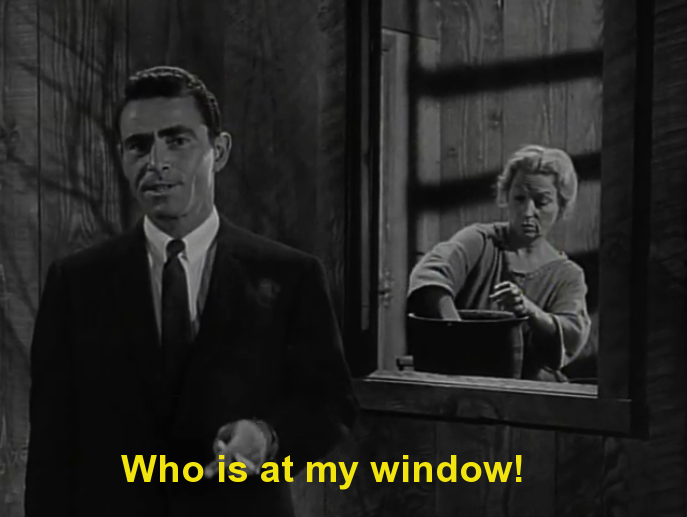
In this broadcast of #ds106zone, Tim Owens and I sit down to talk about some basic concepts behind photo editing, such as layers and various other tools, as well as specific tools available, GIMP and Photoshop being the most prominent and powerful. After a little banter, we demonstrated GIMP bys howing how to add text to an image, demonstrated with Rod Serling and Agnes Moorehead from “The Invaders” below:

serling_window

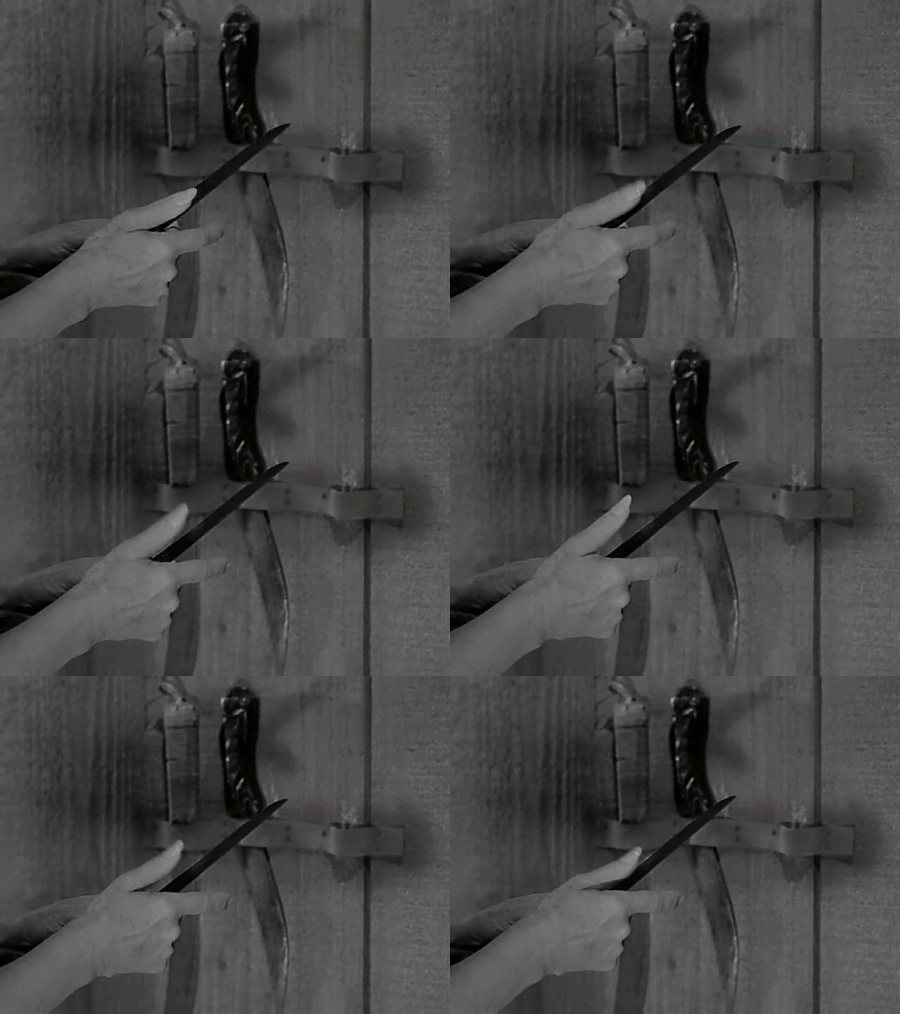
We also figured we would demonstrate how to create an animated GIF using MPEG Streamclip and GIMP, given the Twilight Zone GIF is the only required assignment this week.

The Invaders: Knife

This was a lot of fun, and I’m gonna see if we can’t manage a few more this week, as well as set up office hours through the ds106.tv broadcast video setup. So if you are into the broadcasts, tune-in to http://ds106.tv at 2 PM (EDT) on Tuesdays and Thursdays for sure, but also at random times throughout the week announced on Twitter.

Posted in digital storytelling, ds106tv, ds106zone | Tagged , , , | Leave a comment

The ds106zone Broadcast: Introduction and Syllabus Review


Link to video

At 2:00 PM (EDT) this afternoon, I sat down for a live broadcast at ds106.tv to give the class a rough overview of what to expect more generally from #ds106zone, as well as the specifics requirements for the week. I explained things like the ds106.us site, the daily create, the assignment bank, as well as where to find the UMW student blogs versus the general flow of posts from around the community. I also discussed the syllabus and the assignment bank in some detail. If you are looking for the traditional introduction, overview, and syllabus rationale, this might be a good video for you.  I hint at discussing the visual and design assignments, but don’t cover that in this broadcast. I created a second video soon after this one in which Tim Owens and I introduce photo editing more broadly, as well as demonstrate a few basic process on GIMP.

Posted in digital storytelling, ds106zone | Tagged , , | 4 Comments