Watch the bava blog trailer!
about
is an ongoing conversation about media of all kinds ...
Testimonials:
Generations from now, they won't call it the Internet anymore. They'll just say, "I logged on to the Jim Groom this morning.
-Joe McMahon
Everything Jim Groom touches is gold. He's like King Midas, but with the Internet.
-Serena Epstein
My understanding is that an essential requirement of the internet is to do whatever Jim Groom asks of you while you're online.
-James D. Calder
@jimgroom is the Billy Martin of edtech.
-Luke Waltzer
My 3yr old son is VERY intrigued by @jimgroom's avatar. "Is he a superhero?" "Well, yes, son, to many he is."
-Clint Lalonde
Jim Groom is a fiery man.
-Antonella Dalla Torre
“Reverend” Jim “The Bava” Groom, alias “Snake Pliskin” is a charlatan and a fraud, a self-confessed “used car salesman” clawing his way into the glamour of the education technology keynote circuit via the efforts of his oppressed minions at the University of Mary Washington’s DTLT and beyond. The monster behind educational time-sink ds106 and still recovering from his bid for hipster stardom with “Edupunk”, Jim spends his days using his dwindling credibility to sell cheap webhosting to gullible undergraduates and getting banned from YouTube for gross piracy.
I am Jim Groom
Find out more about me here.
Recent comments
- Eamon Costello on Conference, Camera, ILTA!
- Reverend on Punk’s Not Dead
- Martin Weller on Punk’s Not Dead
- Maren Deepwell on Punk’s Not Dead
- Jim Groom on Punk’s Not Dead
- Scott Leslie on Punk’s Not Dead
- Alan Levine on Punk’s Not Dead
- Jim Groom on You’re definitely Dr Detroit …
- Jim Groom on Atari 2600 Game Cartridge Display Stand
- Jim Groom on Conference, Camera, ILTA!
- Tom on Conference, Camera, ILTA!
- Zach Davis on Atari 2600 Game Cartridge Display Stand
-
Recent Posts
- Punk’s Not Dead
- Unscripted Futures
- Conference, Camera, ILTA!
- You’re definitely Dr Detroit …
- The Reclaim Student Showcase Returns for 2026
- Domain of One’s Own Version 2
- Heigh Ho, Heigh Ho, It’s Off to ILTA’s EdTech 26 We Go
- Atari 2600 Game Cartridge Display Stand
- Building a Blog You Can Walk Into
- Deferred Maintenance: Upgrading Mastodon and PeerTube
browse the bavarchive
Contributors
some favorites
- Alan Levine
- Andy Rush
- Audrey Watters
- bava.social
- Bonnie Stewart
- Brian Lamb
- Bryan Alexander
- Chris Lott
- Clint LaLonde
- Cole Camplese
- Darcy Norman
- David Kernohan
- David Wiley
- Gardner Campbell
- GNA Garcia
- Grant Potter
- Jeffrey Keefer
- Jon Beasley-Murray
- Jon Udell
- Kate Bowles
- Kin Lane
- Laura Blankenship
- Leslie Madsen-Brooks
- Lisa M Lane
- Martha Burtis
- Martin Hawksey
- Martin Weller
- Mike Caulfield
- Mikhail Gershovich
- Mountebank
- Paul Bond
- Scott Leslie
- Serena Epstein
- Shannon Hauser
- Stephen Downes
- The OLDaily
- Tim Owens
- Tom Woodward
- Tony Hirst
Locations from Goodfellas and Wiseguy Mapped
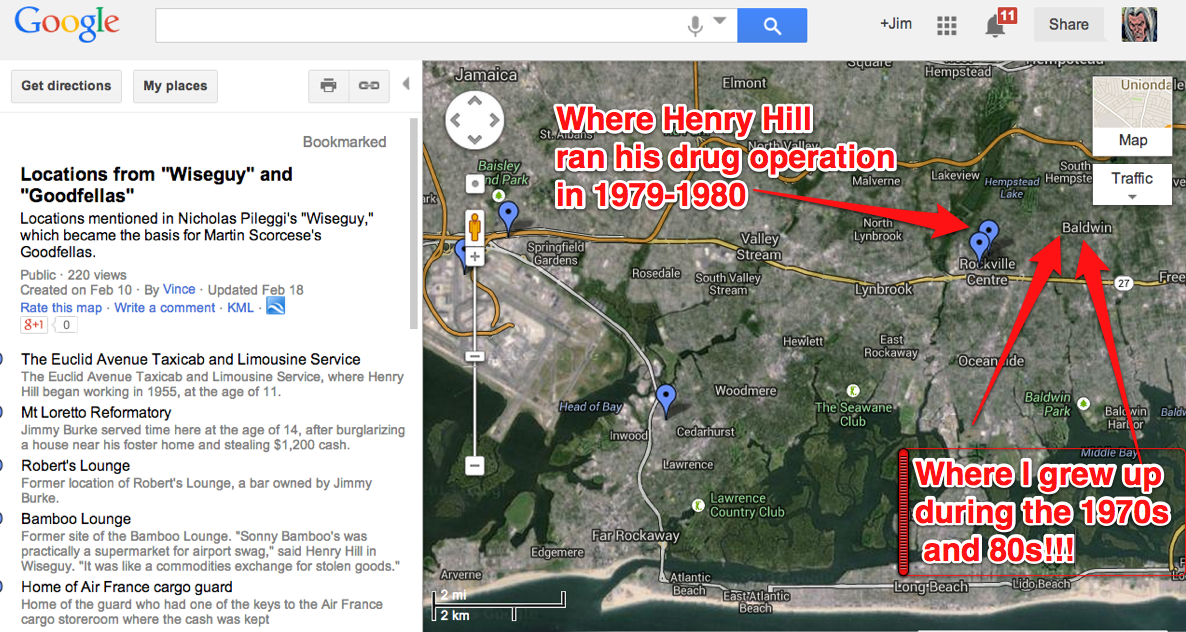
Every time I’ve watched Martin Scorsese’s Goodefellas (1991) (which is more than a few) one of the things that always strikes me is how familiar I am with the built environment of the film. I grew up on the South Shore of Long Island, Baldwin to be exact. So many of the scenes where Henry Hill is courting Karen at the beginning or when he’s is driving around like a paranoid maniac towards the end are landscapes that almost seem like polariods from my childhood.
But what I didn’t realize until reading Nicholas Pileggi’s Wiseguy, is just how much truth was behind that cinematic impression. The last place Henry Hill lived and dealt drugs from before he was “pinched” was in Rockville Centre, one town away from where I grew up. In fact, while reading the book I realized most of the film took place ehere I grew up, it was a bit crazy to come to that realization. I was the same age as Henry Hill’s kids. He was of my parents’ generation. He was South Shore trash, just like me 😉 Part of the joy of reading this book for me was Hill’s insistence on naming people and places so regualrly. While this might come with the territory of being an informat, it also effectively maps a whole universe of working class gangsters right in my boyhood backyard.
View Locations from “Wiseguy” and “Goodfellas” in a larger map
I’ve recently written about true crime on Google Maps, and while I was Google searhcing some of the addresses referenced in Pileggi’s book, I discovered that someone already created a Google map for the film and the book. The web is such an amazing place.
Shuttleworth Flash Update
This Summer I got a Shuttleworth Foundation flash grant thanks to David Wiley‘s recommendation. I’ve blogged about what I’ve done as part of the grant over the last several months, but I wanted to summarize it all here.
Reclaim Hosting

Domain of One’s Own is a service we’re running at the University of Mary Washington that provides members of the academic community their own domain name and web hosting account. The idea at the heart of this initiative is to give faculty, staff, and students the tools to start interrogating the web more robustly. A space to enpower the community to understand how the web works, become sysadmins of their education, and more completely control what they do as part of their portfolio at the university. As we were running the Domain of One’s Own pilot at UMW during the 2012/2013 academic year a number of universities inquired how exaclty we were architecting this experiment, and how might they go about the process.
Thanks to this flash grant, Tim Owens and I were able to create Reclaim Hosting, a parallel service to Domain of One’ Own that enables any faculty, student, course, department, or institution get up and running with a education-focused hosting. We’ve kept the web hosting cost at next to nothing, and simply charge $12 for a domain thanks to funding from the flash grant, which has enabled us to focus on building a community and providing a space for faculty and staff to start imagining the possibilities of maintaining and controlling their own home on the web. Over the last three months more than 700 faculty and students have signed up from numerous K12 and higher education instituions around the world. Additionally, we’ve had interest in institution-wide pilots from the Virginia Community College System, Emory University, Duke University, and Penn State University.
Minding the Future/Reclaim Your Domain Brainstorming
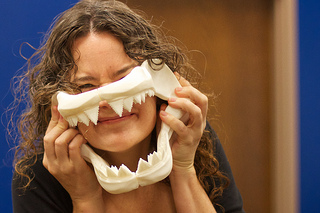
Image credit” Alan Levine’s “Audrey Watters takes on the world”
In October I organized a conference called “Minding the Future,” an event that was c0-sponsored by the University of Mary Washington, the State Council for Higher Education in Virginia (SCHEV), and the Shuttleworth Foundation (thanks to the flash grant). We were able to bring together five remarkable thinkers in the higher education space to deliver 10 minute talks about their particular field of interest as well as take part in a culminating panel discussion about the future of higher education more generally. It was a remarkable program and event, if I must say so myself, but you can be the judge of that yourself because all of the sessions were recorded and are freely available for viewing on the UMW New Media YouTube channel. What’s more, Sarah McConnell from the NPR radio show “With Good Reason” attended the conference and included segments from the panel discussion in her recent piece on “The Future of Higher Education” that aired earlier this month (you can listen below).
Part of the excuse of bringing all of these folks together was to put them in a room and start honing the vision for an idea I started working on with Kin Lane and Audrey Watters back in April called Reclaim Your Domain. We not only got a great conference out of this gathering, but also some real insights to what’s possible and what’s next with the Reclaim Your Domain project, which I wrote about in great detail already. Suffice to say Reclaim Your Domain would become an open source application that provides anyone with a hosting account the ability to have access to an API marketplace for backing and synching your work with third party services, translating between services, and providing a contextual series of resources for understaning of these services work and why it’s important to understand this.
ds106: Assignment Nuevo Bank
Finally, the development of the ds106 assignment bank as a stand alone theme that is open source and freely downloadable by anyone using WordPress is the final element funded by the flash grant. Alan Levine has been working on developing this theme, and the work he has done so far is amazing. He took me on a walk-through of the theme, and what’s remarkable to me is that it captures the essence of open educational design as it pertains to communities rather than the more generalized obsession with content.
I think any discussion of Reclaim Hosting, Domain of One’s Own, and/or Reclaim Your Domain both germinted and hatched for me during the experiment that is the open, online digital storytelling course known as ds106. And I would argue that no one has done more for that community to date than Alan Levine. His work really epitomizes the spirit of the Reclaim ethos in practice (despite the problems with the term reclaim more specifically). It’s not about shunning third party social media on the web, it’s about developing a more sophisticated understanding of how it all works. It’s about wrestling with the idea of online identity, and as result shaping a sense of self that is truly digital in its expression. Alan Levine has come to be a mentor for me, and many others as well, in all these things for many years now. He lives and breathes the web, he’s more web than human—but contains mutlitudes of both 😉
So, that’s where the flash grant funds have gone and will go. I say this fully acknowledging that I have applied for a Shuttleworth fellowship with the Reclaim Your Domain project, and really hope to have the opportunity to focus all my time and energy on working with people like Tim Owens, Kin lane, Audrey Watters, Jon Udell, David Wiley, and, of course, Alan Levine. Alan’s Shuttleworth project proposal is near and dear to the vision of Reclaim Your Domain, and if this Fellowship happens we’re all gonna have a lot to work on. I’m going right after a project, getting some funding, and building somthing that can not only archive, synch, and convert one’s various presences online, but ultimately start to bring them together in a distributed social network like the one Martha Burtis and Tim Owens have begun to do with the directory for Domain of One’s Own.
The prospect of taking some time away and working on this as a Shuttleworth fellow is really exciting. I had an interview almost two weeks ago and I have to admit I’m not so sure how it went. I talked a lot, and I was a bit circular in my explanations so I can understand if they’re a bit leary. That said, the flash grant has started the ball rolling, and I’m really excited about where it might go. I’d like to think Shuttleworth will take that chance, but if not I think someone will. Why not, the domain of archiving and taking back control over the various data we have left in the hands of third party services will only grow as time goes on, more services shut down, and the web is recognized as the native medium wherein our memories are being created. Here’s to hoping, and if I don’t mention I got the fellowship on this blog anytime soon, you’ll know what happened 😉
Wall Street, the Other Mob
I loved the passage in Nicholas Pileggi’s Wiseguy where Henry Hill talks about how the Wall Street bankers took the mob to the cleaners.
When stolen securities got big, we used to have Wall Street types all over the place buying up bearer bonds. They would send them overseas, where the banks didn’t know they were stolen, and then they’d use the hot bonds as collateral on loans in this country. Once the stolen bonds were accepted as collateral, nobody ever checked their serial numbers again. We’re talking about millions of dollars in collateral forever. We got robbed on those jobs. At that time we didn’t have any idea about collateralizing foreign loans. The bankers took us to the cleaners. We got pennies for the dollar. (128)
This bit struck me as prescient. In the mid-1990s the mob was deeply involved in Wall Street, with boiler room stock hustlers that would sell phony stocks and ultimately cash in on millions they missed out on, according to Hill, in the 60s and 70s. I love the idea of Wall Street bankers and brokers as the original gangsters, the true mobsters cleaning up on untraceable bonds (which are all the rage again) of which your average wiseguy couldn’t fully comprehend the value. What’s also interesting in the context of this book is that Wall Street is framed for what it is: the most lucrative hustle going. A fact that has never been more apparent when the global depth of the junk bond fiasco became apparent in 2008.
Paul and I talked about doing a larger segment of this course on corporate crime. One possibility was including the documentary Enron: The Smartest Man in the Room which is an examination of one of the largest business scandals in U.S. History. We passed cause it was somewhat late in the planning, but if we do this one again I think we could and should do a whole section on corporate crime.
And as fate and luck would have it, Martin Scorsese is coming out with a film this Christmas titled The Wolf of Wall Street, which is based on a memoir of pennystock boiler room broker from the 1990s Jordan Belfort. Interesting enough, there was a film made in 1929 with the same title—coincidence? I think not. Is this an update of Goodfellas for the Wall Street era? Probably not, this will probably be a lot more like the mediocre film on the topic Boiler Room (2000).
Anyway, here is the trailer for the film. And you can be sure the tale of unmitigated criminal greed on Wall Street has only just begun to be told in popular media—looks like the mob angle could be next with Mob Street.
Course Domains
You can blame Brian Lamb for this post, he encouraged me to go for the trifecta. My last two posts were about 1) the possibilities public university publishing platforms offer institutions of higher ed to align their mission with the web, and 2) (if you can look beyond the nudie bombs and GIFs long enough 🙂 ) how communities like Tumblr can be amazing open educational resources. So, for the third and final installment of this unplanned and rather haphazard series, I want to talk about an emerging trend at UMW that has me pretty excited: course domains.
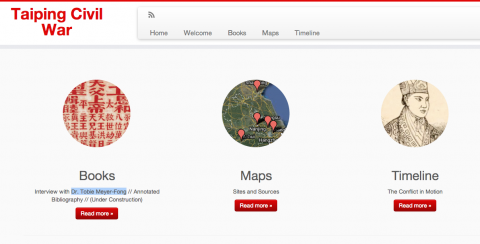
Although, to be honest, this post has in many ways already been written by Ryan Brazell. In “Mapping the Taiping Civil War” he lays out the amazing work he is doing alongside History professor Sue Fernsebner (speaking of educational Tumblrs!) and her students for the re-imagined research methods course she’s teaching this semester focusing on the Taiping Rebellion. In short, they have gotten a domain for the course (http://taipingcivilwar.org), and as a class are working together to build a really impressive series of resources on the Taiping Civil War. They’re building a dynamic map of the civil war, a timeline, and a student-conducted interview with Chinese scholar Dr. Tobie Meyer-Fong about her recent book on the topic “What Remains: Coming to Terms with Civil War in 19th Century China.”
Think about it, fifteen newly decalred history majors drilling into a focused topic alongside a faculty member who’s guiding them in the collaborative construction of an intellectual resource designed specifcially for the web. As a part of this process they’re learning about the power of mapping for reading the past, the importance of annotated chronological resources, and how to interview top scholars in the field on their latest research. What’s more, it’s happening on the open web. And all because a professor simply said, “Why not?” Why can’t UMW undergrads do this? Why can’t we work together to build a resource for a broader public rather than remain a slave to the individually produced research papers that two people will ever read? Why can’t a course have a domain that becomes the ongoing record of the thinking about a topic that anyone can access? It reminds me a lot of the amazing work Jon Beasely-Murray has been with his students on Wikipedia since 2009.
I have to believe the work we’ve been doing with UMW Blogs since 2007 has made the move towards independent course domains a realtively seamless progression. Faculty like Sue Fernsebner have used UMW Blogs extensively over the last six years, and their comfort level with this space affords them an intimate understanding of it’s possibilities and limitations. And while not all courses need their own domain, a course that wants to experiment with various open source applications besides WordPress (i.e. Omeka, MediaWIki, DOCuWiki, Drupal, etc.), and at the same time become an established, onging academic resource for a broader community, a course domain is a powerful option. This is why UMW Domains (a.k.a. Domain of One’s Own) represents a really exciting new frontier for us at DTLT that we are now in a postion to not only offer any faculty memebr, but also fully support them on their journey. That’s instructional technology, that’s developing faculty, that’s give students relevant web-absed literacies, and that’s building a better, more open web all the while. With Domain of One’s Owen we continue to make good on our university’s mission. But let me end returning to Ryan Brazell’s post on the Taiping Civil War project, because he nails how cool this is far better than I ever could:
All of the resources created by the students are now and will remain available to the general public via TaipingCivilWar.org, the project website. We still have some work to do to clean up what’s there and to include additional resources created by the students, but you can already see the time and effort students put in to make this happen. Word has it that a major peer-reviewed journal in the field has even expressed interest in linking to the project website once it’s ready for prime-time — how cool is that?
That’s not only super cool, but that’s educational!
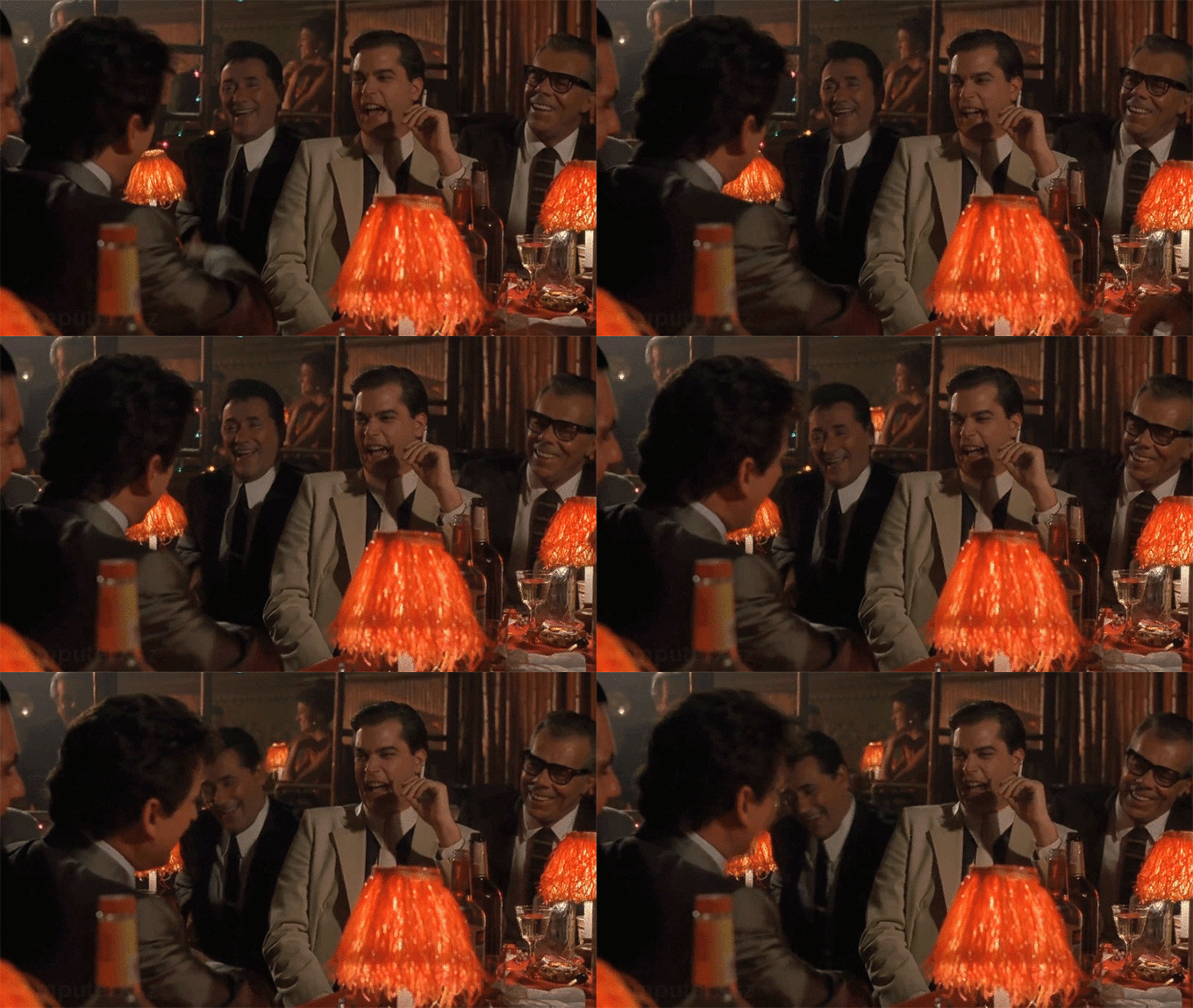
Goodfellas: I’m Here to Amuse You
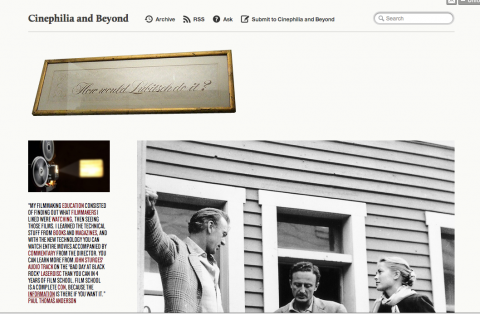
I’ve written before about love of Tumblr before on this blog, and one of the most consistently brilliant Tumblr blogs I follow is the all-things-film tumblr Cinephilia and Beyond. If you love movies, this is an amazing resource.
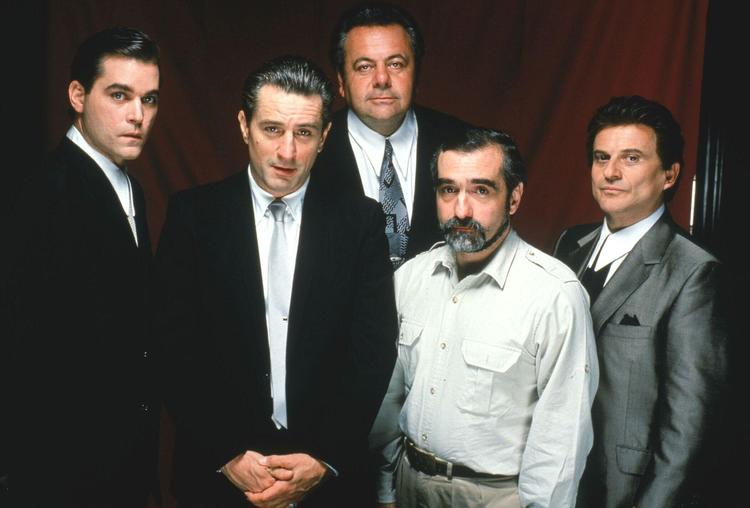
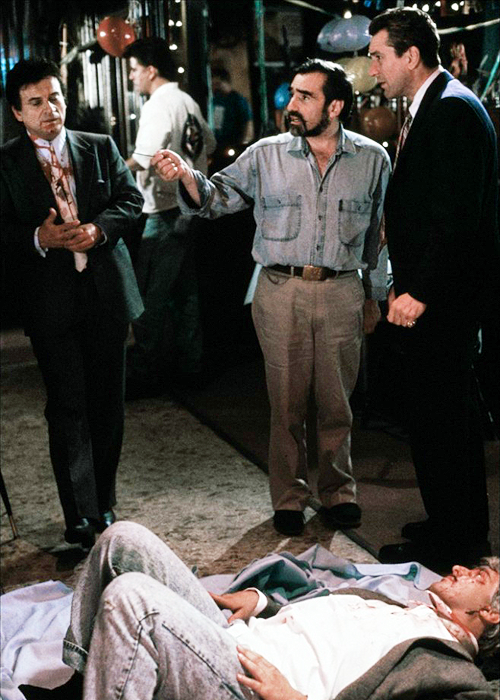
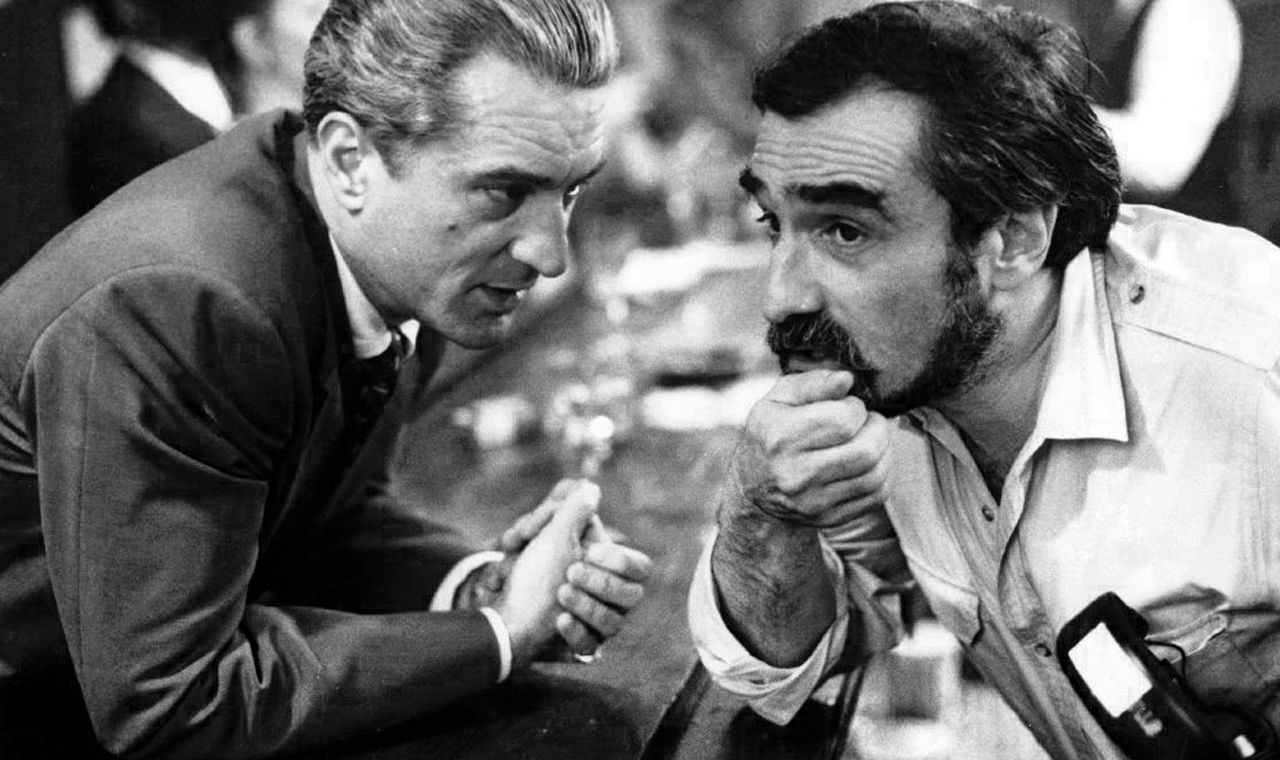
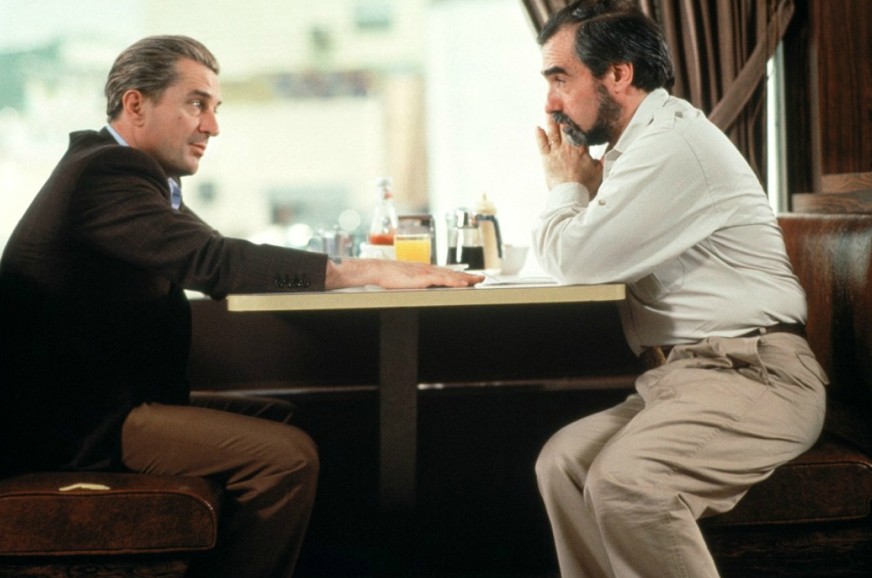
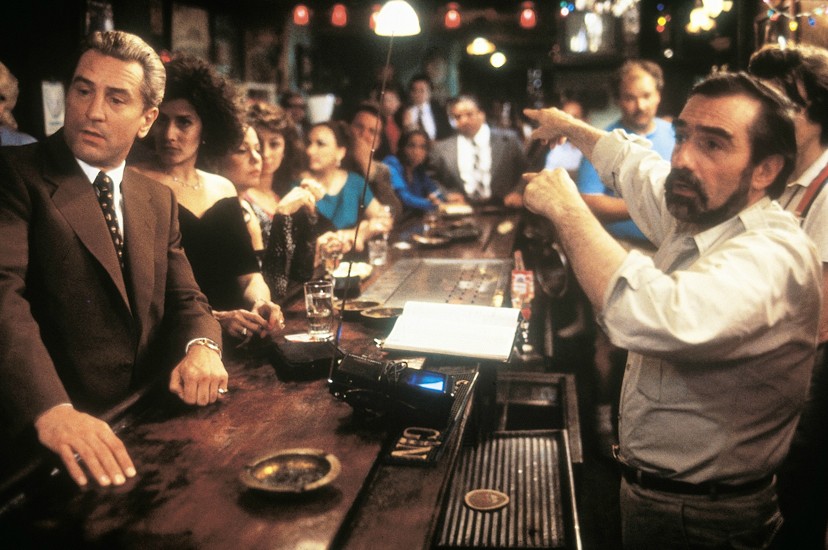
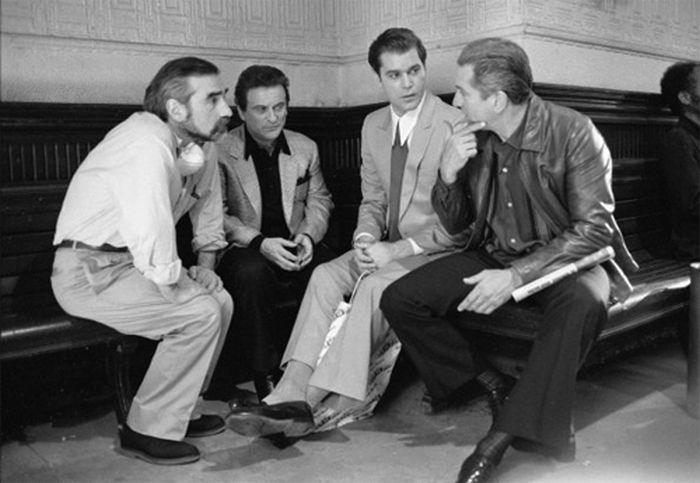
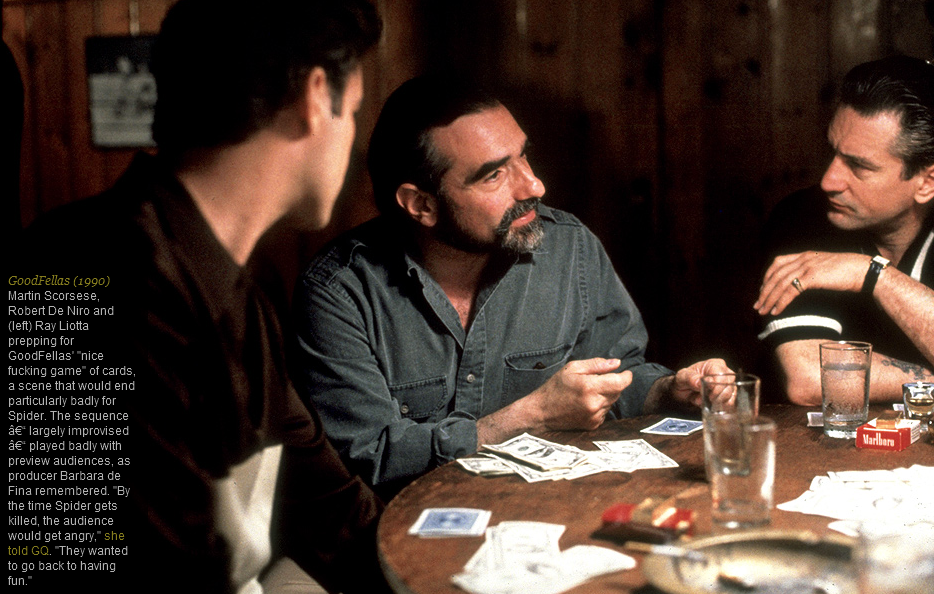
Anyway, over a year ago the Cinephilia blog, doing what it does so well, posted an all but comprehensive article filled with resources about the 1991 film Goodfellas. It has the original film script, images from set, a documentary about the making of the film, a documentary about Henry Hill, an article about Henry Hill’s experience in the Witness Protection Program, Scorsese and his mom on Letterman, and much more. It’s an example of just how amazing this blog is, it understands that at its best blogging is an aggregation of awesome resources that leads the visitor on to further explorations and discoveries.
At the time I filed this post away because I knew I was already thinking about teaching a course on true crime, and both Nicholas Pileggi’s 1985 book Wiseguy and Scorsese’s film were strong candidates. Lo and behold, a year later I am happy to share this amazing post for the True Crime class (and anyone else that loves Goodfellas—who doesn’t?) so that you have no shortage of material to amuse yourself after watching the movie.
Now the Cinephilia and Beyond blog is an open educational repository I can get behind!
____________________________________________________

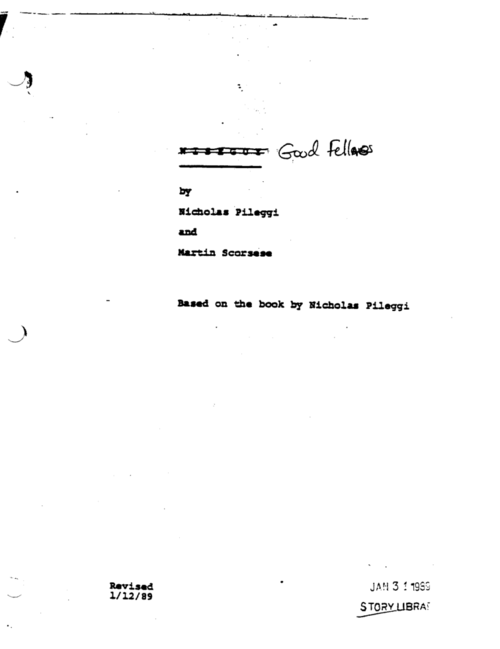
“As far back as I can remember, I always wanted to be a gangster.” What a genius script looks like. Read, learn, and absorb: Goodfellas [the screenplay] by Nicholas Pileggi and Martin Scorsese [pdf1, pdf2]. (NOTE: For educational purposes only)
The 30-minute documentary Getting Made: The Making of Goodfellas, also included on the Blu-ray release, has recently been put online for your viewing pleasure. Going through the pre-production, shooting, release and more, a few of the film’s iconic scenes (including Ray Liotta and Joe Pesci‘s dinner exchange, as well as the extended steadicam shot) are discussed — all with the insight from editor Thelma Schoonmaker. It’s a fascinating inside look at the making of a masterpiece and one can check out the documentary below, then head over to Amazon to stream the film for free and pick it up for cheap on Blu-ray, if you don’t own it yet. [thanks to A Bittersweet Life & The Film Stage]
The legendary Steadicam shot in Goodfellas through the nightclub kitchen was a happy accident — Scorsese had been denied permission to go in the front way and had to improvise an alternative.
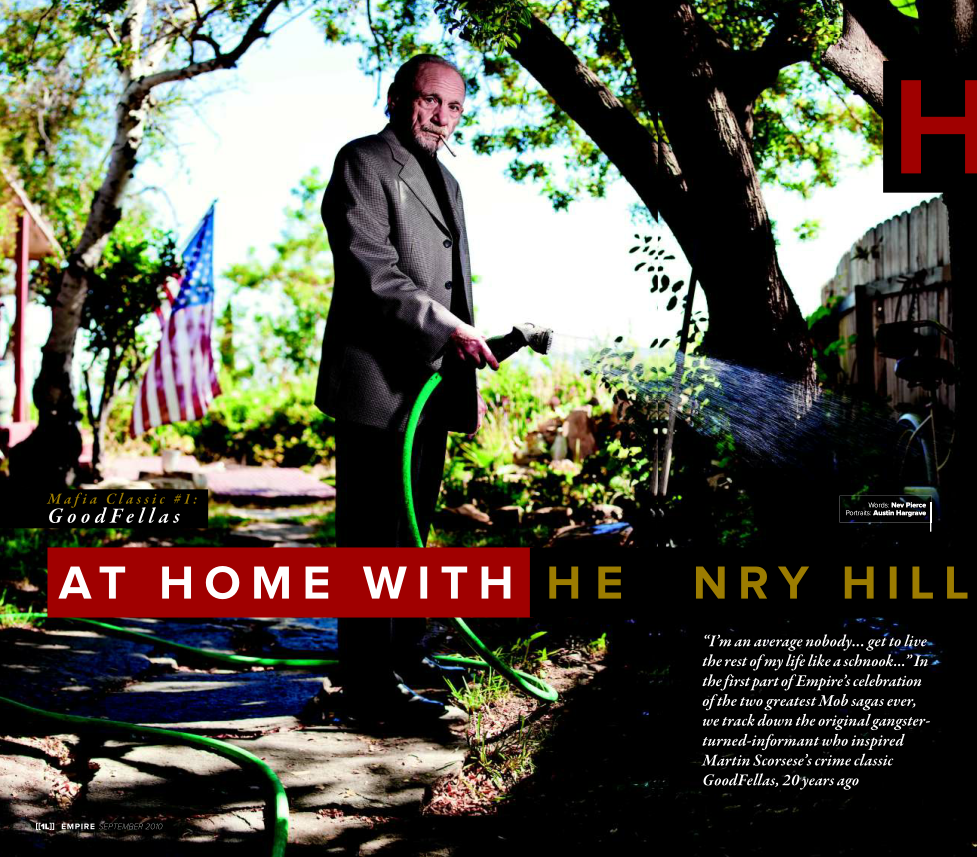
By now you’ve heard the news that former gangster-turned-mob informant Henry Hill passed away last Tuesday, leaving behind hundreds of thousands of moviegoers who’ve watched Martin Scorsese’s Goodfellas (itself based on the life of Henry Hill) and often wondered just how the guy managed to survive long enough to die at the age of 69 without being whacked by those he turned against. Clues to that mystery may be found in this documentary, called The Real Goodfella, which is one of the more fascinating docs on the real-life man behind the character Ray Liotta so memorably portrayed on screen. Featuring in-depth interviews with Hill, FBI agents, Martin Scorsese and more, the 47-minute doc uses dramatized reenactments to piece together what really happened versus what Scorsese chose to use for his film. You can watch the entire doc below, which dates back to 2006. —Erik Davis
- Interview with the real gangster behind Goodfellas, Henry Hill [pdf]
- A recipe for the mouthwatering prison dinner from Goodfellas:
6 onions peeled and finely diced
75g Cotswold gold rapeseed oil or olive oil
A teaspoon of salt
300g minced beef
300g minced pork shoulder
300g diced English rose veal flank
30g Cotswold gold rapeseed oil or olive oil
250g beef or brown chicken stock
10 cloves garlic peeled
100ml white wine
150g tomato puree
750g ripe vine tomatoes (chopped) or equivalent weight of quality chopped tinned tomatoes
A pinch of salt
Good grind of black pepper
Just like the guys in Goodfellas, I like to serve this with a char grilled 34 day aged hanger steak cooked medium rare, a bottle of Chianti and good crunchy country bread (to soak up all those wonderful juices and flavours).
Yes, indeed, The Godfather is masterful. The Sopranos? We never missed an episode. But you want to talk about a movie that leaves a mark? Twenty years after the release of Goodfellas, the good people behind it—Scorsese, Liotta, De Niro!—re-create the making of the truest, bloodiest, greatest gangster film of all time. —Getting Made The Scorsese Way
Open, Public Educational Publishing Platforms #4life
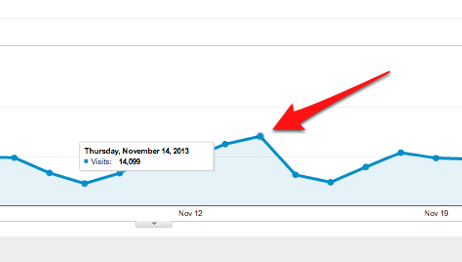
On Monday I checked in on the traffic stats for UMW Blogs, something I do from time-to-time when the semester starts to slow (the fact this didn’t happen until week 14 is telling). I was pleasantly surprised to see that UMW Blogs hit a new high for visits in a single day with 14,099 on Thursday, November 14. This is about 5,000 more visits than our daily average of 9,000. So, alongside Tim Owens and Martha Burtis, I started to dig into the details of the traffic for November 14th to see if there was any one post that was driving up the traffic. And, lo and behold, this post about The Matrix and the allegory of the cave by a student named Rebecca in Zach Whalen‘s Spring 2012 Adaptation course got 715 up votes on Reddit, and the rest is UMW Blogs traffic history.
In just one day that post got 4,356 hits, and 8,193 hits over the course of the month. Crazy.
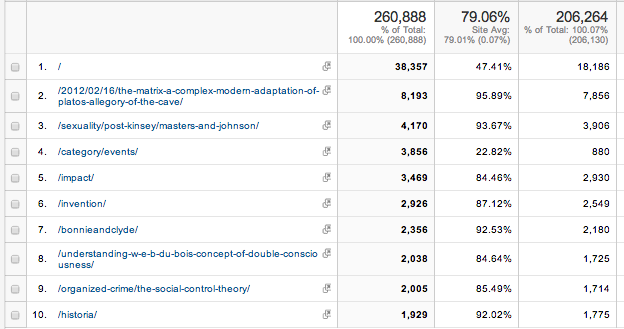
This list of traffic by landing pages not only illustrates the reddit effect for the Matrix post, but also pointed us to another post that has been getting a lot of traffic this month. The post in question provides context for the pioneering research of scientists Masters and Johnson into human sexual response. This post was part of the Psychological History of Women resource site professor Dennis Nissam-Sabat’s students created back in the Fall of 2011. Turns out this post is getting so much traffic because it actually is a top-ten Google search result for the term “Masters and Johnson.” Which, as it turns out, is quite timely given the relationship between Masters and Johnson is currently the basis for a successful Showtime series titled Masters of Sex.
How about that, people interested in using the web to find out more about a particular topic cable televison has piqued their interest in. And what comes up in their Google search? A resource site created by students as part of a class at a public university that is paying it forward with open publishing platforms. This shouldn’t be radical, this should be the norm. And this, I would argue, is what gets lost when we suggests that all cats are gray and the LMS is just a misunderstood tool. Fact is, the LMS does not understand itself as part of the web, it has been purposefully designed to be anathema to it. Take a look at that screenshot above, what else is getting traffic? These aren’t throwaway topics, these are important ideas people want help understanding. For example, what W.E.B. DuBois’s concept of double consiousness means, or some more information on the social control theory of organized crime (might use that for the True Crime course), or some more context to more fully understand Arthur Penn’s film Bonnie & Clyde.
All this makes me very happy, and also makes me feel like I’m doing my job as an instructional technologist. I shouldn’t be slavishly supporting enterprise systems that firewall information, I should be building communities that are premised upon openly sharing the work we’re doing as public institutions. I understand the need for the LMS, I just don’t understand its value. This field should be pushing to make the work faculty and students are doing part and parcel of the web in order to bridge the understanding for hundreds of thousands of people on the web. And this is not overstatement, this is an everyday reality at Mary Washington thanks to an open, public educational publishing platform like UMW Blogs, and more recently Domain of One’s Own. These aren’t just fringe experiments, or at least they shouldn’t be. They should represent the moral imperative of what we do as part of the teaching and learning mission at the core of our institutions’ raison d’être. The question we should be asking is how that mission has increasingly become compromised by the dominant technologies we still find ourselves entrenched within at our institutions.
Serial Killers to Spree Killers: a Cultural Shift?
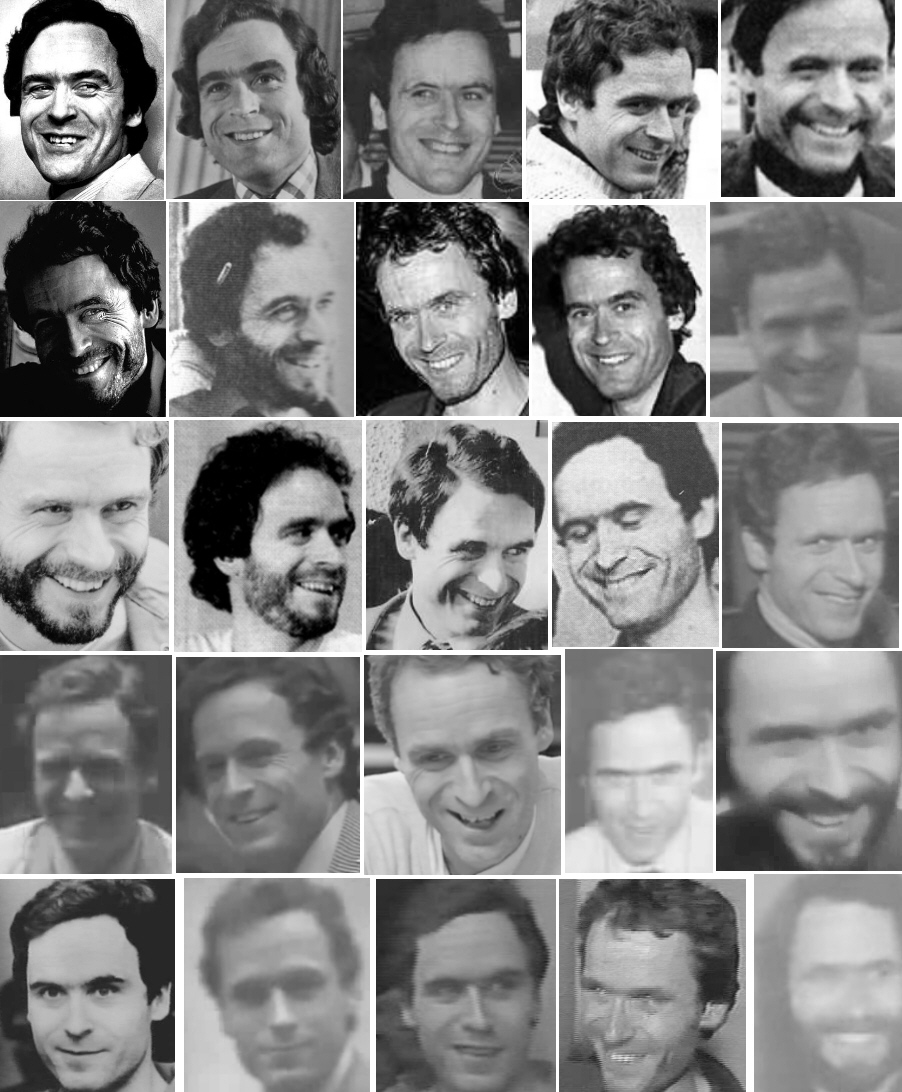
We finished up Ann Rule’s The Stranger Beside Me last week in the True Crime course. And while we read the graphic novel Torso which dealt with a series of related murders in Cleveland during the 1930s, the figure of an actual killer was vague at best. With The Stranger Beside Me you get a much more intimate portrait of a man who is regularly referred to by the author as attractive, brilliant, and even compassionate (Rule meets him at a Seattle crisis hotline). Running parallel to this storyline is a quickly accumulating body count of young, attractive women that are being brutaly attacked, sexually assualted, and ultimately murdered. As a result of this book you become all too familiar with the many faces of Ted Bundy.
It’s through this dichotomy between savage predator and urbane citizen that Bundy seemed to make such an indelible impact on our cultural psyche. Even in 1980 when this book was published, and Bundy had already been convicted of murder and sentenced to death, the term serial killer was not yet in popular use. The emergence of the figure of the serial killer is in many ways synonymous with Bundy’s heinous murders of the 1970s—and concomitant with the success of Rule’s book. He represented the frightening fact that insanity and brutality can also come in sheep’s clothing—the pretty face of an emerging cultural category that would find its apex in the 1980s. Interestingly enough, the Slate article “Blood Loss: the decline of the serial killer” argues we have seen a decline in the number of serial killers since the 1980s, which may have been reinforced by the sensationalized media coverage of criminals like Ted Bundy, John Wayne Gacy, and Jeffrey Dahmer, to name a few. In could be argued that the 1990s and 2000s have seen the popular emergence of a new violent trend in the U.S.: spree killings. It is, unfortunately, pretty easy to rattle off a bunch of such incidents: Columbine, Virginia Tech, Aurora movie theater, and most recently Newtown—to name just a few. The sense of the arbitrary nature of these violent acts becomes just that much greater.
It’s hard to even conceive that one can understand something about a culture in such a shift of arbitrary violence? Part of the True Crime class has been about trying to read through the telling of crime to understand who we are as a culture at any particular moment—but I find it really hard for our moment. I’ve likened Bundy and the serial killer crazy to the emergence of the predatory capitalism of the 1980s, it’s a fairly trivial way to deal with such horrific arbitrary violence, but at the same time sense needs to be made. But how about spree killings? How do we make sense of Columbine or Sandy Hook? Can we?
I’m not so sure, but Forensic Psychologist Paul Mullen argues that it is part of an emerging cultural script that became popular during the late 1960s and has accelerated since. It’s not necessarily the idea that violent video games and movies produce psychokillers, but as David Dobbs suggest more discerningly when talking about the Aurora movie theatre shootings, “culture shapes the expression of mental dysfunction.” And in the U.S over the last 10 to 15 years that culture seems to be framed by “a right-wing, militiarized expression of violence” to quote Mullen. While these arguments don’t explain the horror, the do try and drill downward and take a broader look at the cultural conditions that make this possible. And, ideally, a space to try and deal with them beyond more violence, executions, and prisons.