My Media Consumption Problem (Part 1)

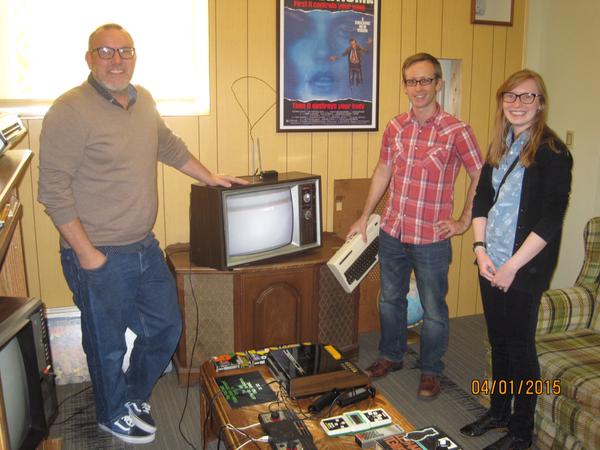
Since Zach Whalen and I started talking about UMW’s Console Living Room back in late January, I have quickly become consumed with consuming 1980s technology. Ebay has become one of the major outlets for my anachronistic impulses. Probably the best way to work through this problem is not only admitting it, but taking stock (as in stockades) by displaying everything here for all to see—therapy or conspicuous consumption? You be the judge!

More seriously, I think what makes it fun to get all this stuff from the past is the idea that people will actually use it, and it won’t be stuck in some closet or museum. I’ve gone on Ebay binges for retro stuff before, and inevitably I can’t save anything I buy. It gets used and ruined, just like it did back in the day.  I try to think of myself as an archivist, but I have none of the necessary discipline when it comes to the objects of shared affection. I’m hoping this will be the start of useful personal inventory of what I have gotten for the exhibit, in addition to the exhibit inventory for the website. It’s pretty interesting to think about what I bought, what I didn’t, and why, although that’s not this post. This is literally just a list of things I bought on Ebay over the last two months or so.

Anyway, here’s the chronological list starting back in early February.

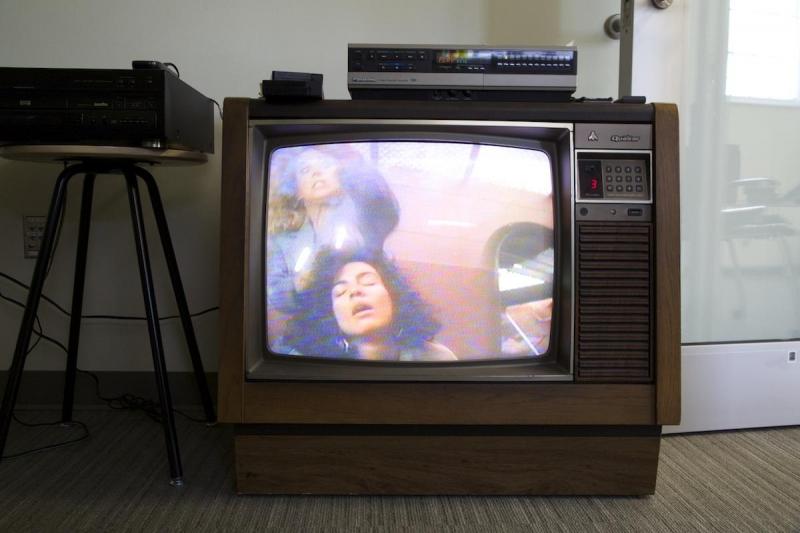
  • 2/4/15: 1981 25″ Quasar Television

quasar

Ebay Seller’s Description:

QUASAR Vintage 1981 25″ Color Console TV! RETRO w/ Remote!! TU9920TP
RETRO & VERY CLEAN Vintage Quasar Console TV! The cabinet is in excellent condition, clean, no scratches at all on the tops and sides, this TV was kept in excellent condition and has only had one owner! The remote control is a little worn and the battery cover is missing.

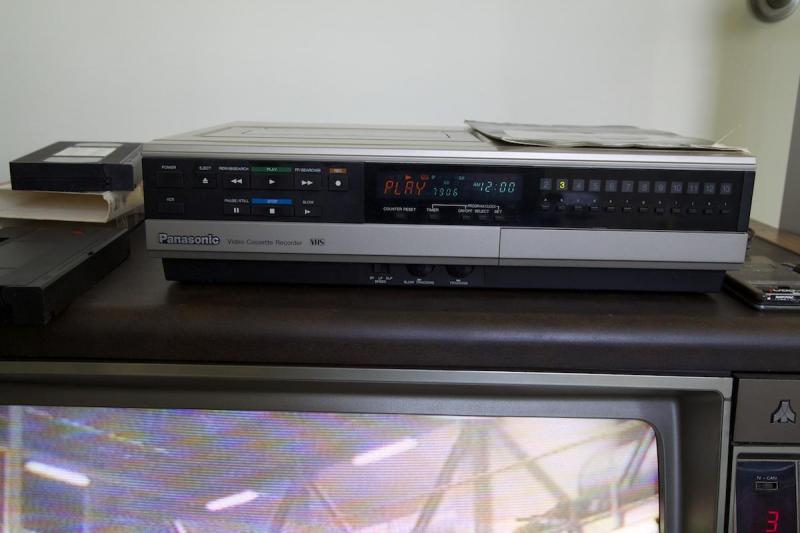
panasonic_vcr

Ebay Seller’s Description:

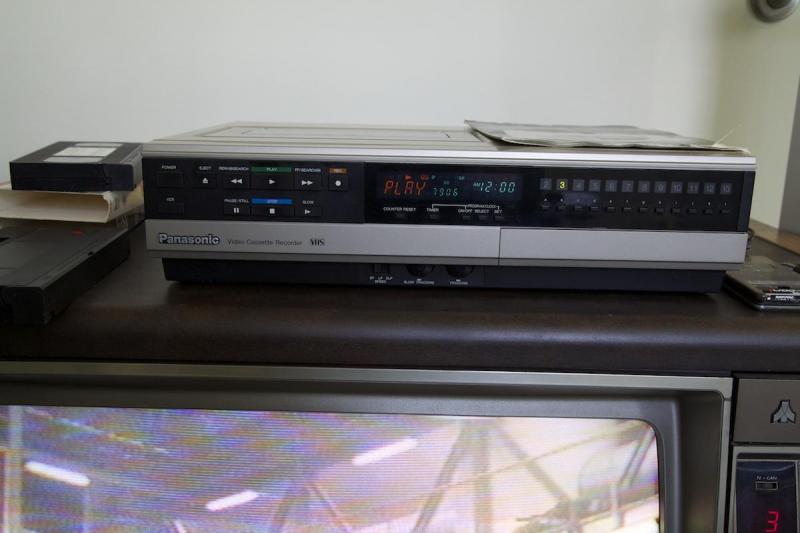
Panasonic Omnivision VCR VHS PV-1225A. 100% TESTED! In working condition, fully functional. Still has Operating Manual and remote. This was the best VCR of 1985! Great for the retro/vintage/sci-fi collector! VCR has a very retro/sci-fi look and great for decorating!
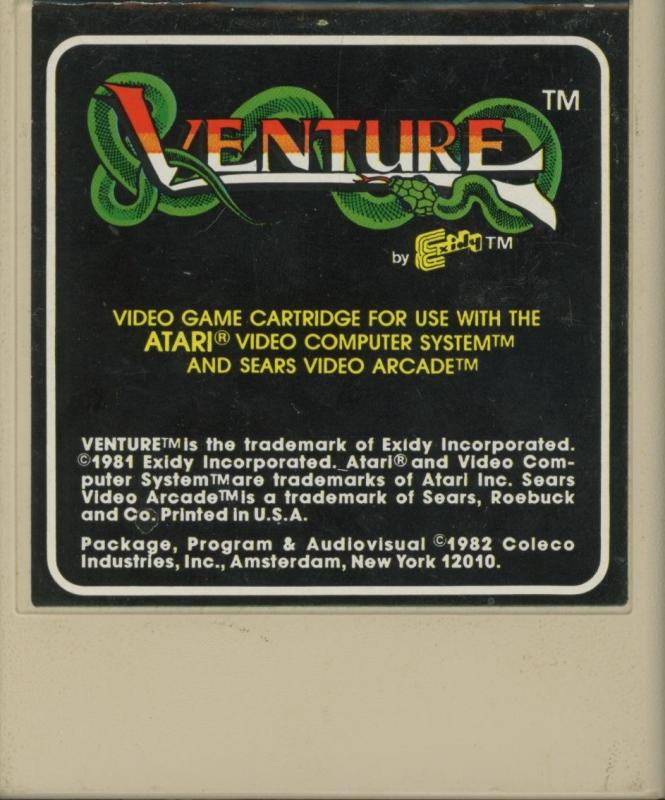
Ebay Seller’s Description:

you are bidding on four Atari 2600 games   thanks for looking and good luck

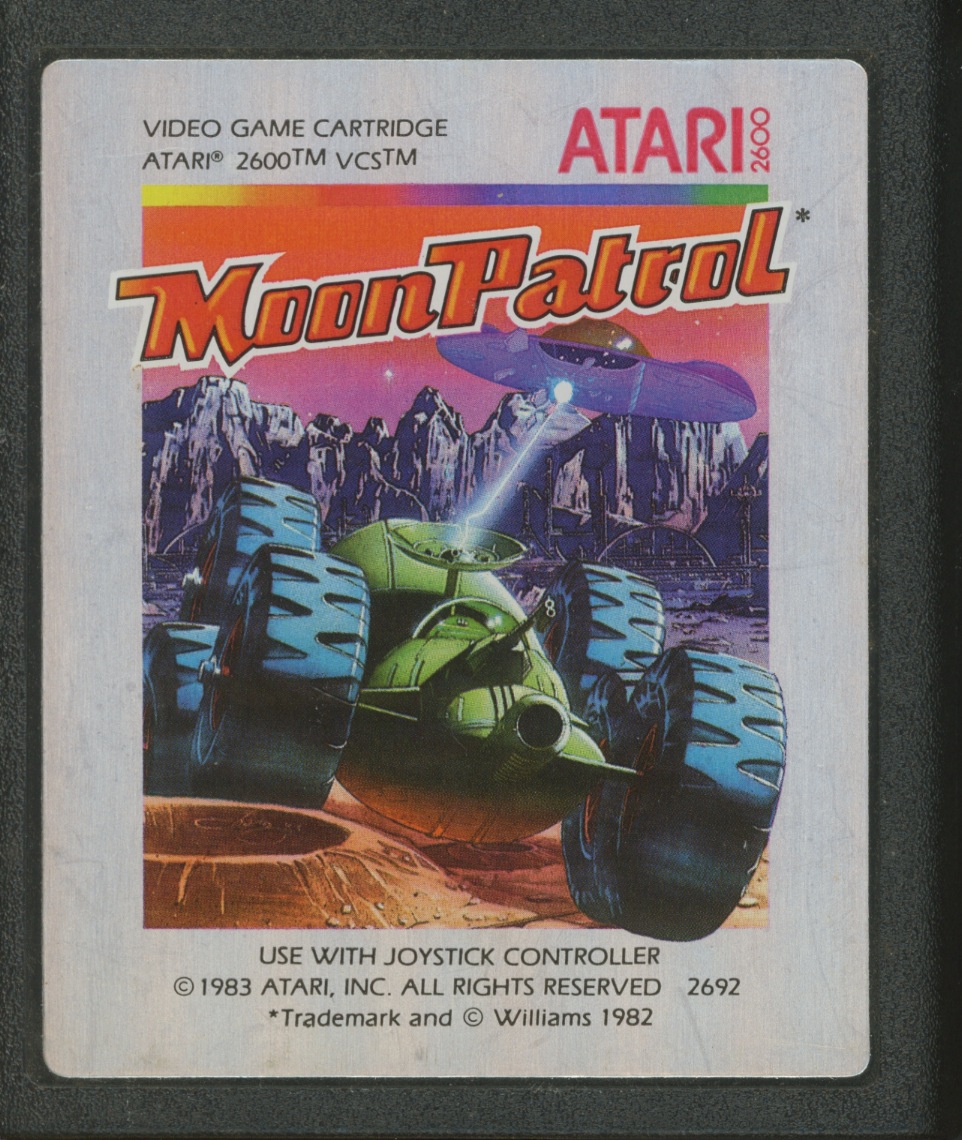
  • 3/9/15: Moon Patrol cartridge for Atari 2600 (with box and manual)
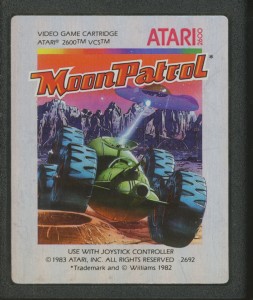
Ebay Seller’s Description:

One of the better, more challenging side-scrollers for the system, Moon Patrol for the Atari VCS is based on the 1982 arcade classic. The controls are a tad clumsy as the joystick is used for jumping (in addition to acceleration and deceleration), but flickering is virtually non-existent and the enemies, though different in appearance than their arcade counterparts, are rendered with detail. The moon buggy and mountainous backgrounds are blocky and have been simplified drastically. A few other concessions have been made, such as limited music, but gameplay maintains the basic appeal of the original. Three skill levels are available.

Tested and works. Box in OK condition but bottom flap is taped. Tape in excellent condition as is Instructions, Tested and works.Please ask me if you need more pics.

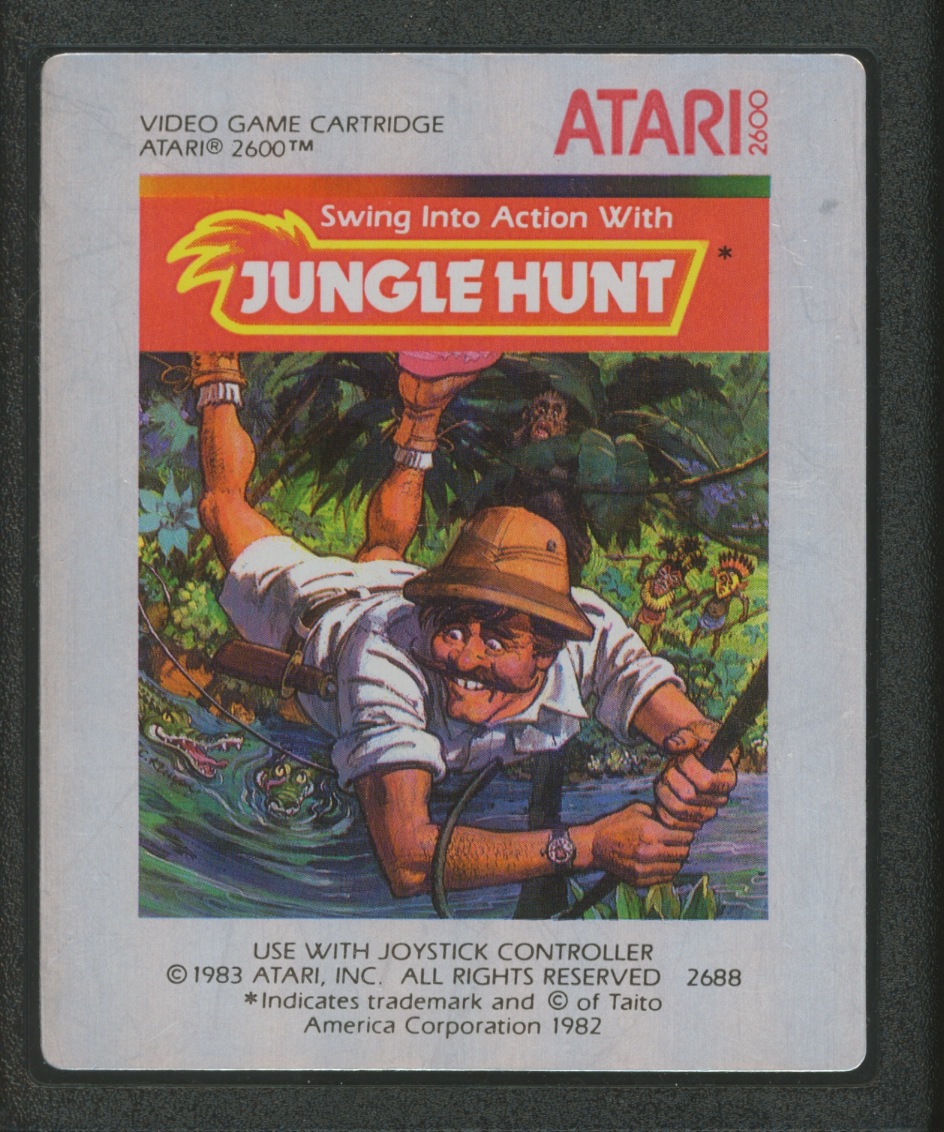
Ebay Seller’s Description:

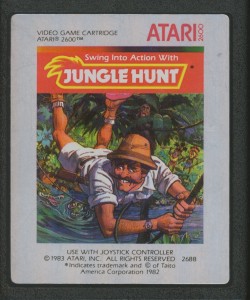
Pictures are of the actual game. Free Tracking included. Same day shipping. Up for sale is “Jungle Hunt” for the Atari 2600.    This is for the game cartridge only. The game has been tested and plays fine. This is from my own collection in a non smoking, no kid household….very clean and maintained….I’m 42.
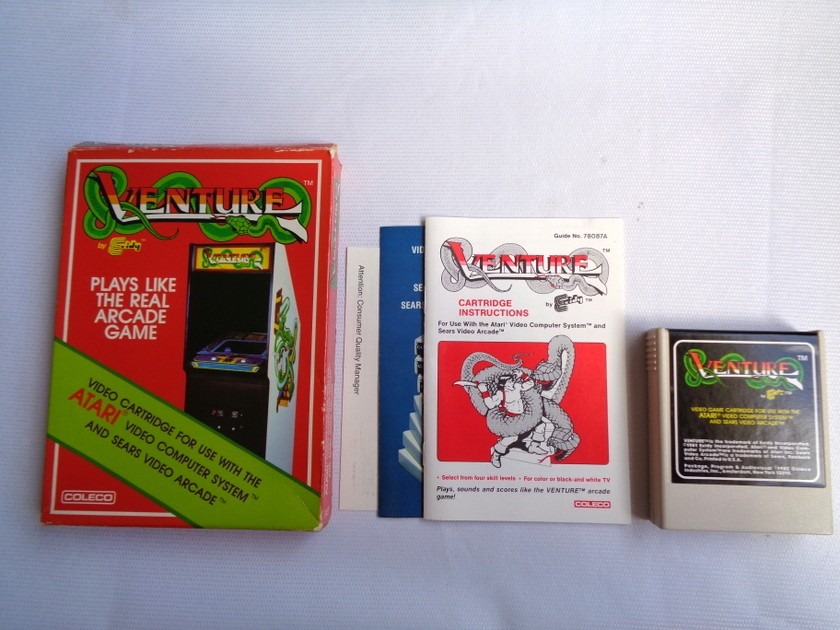
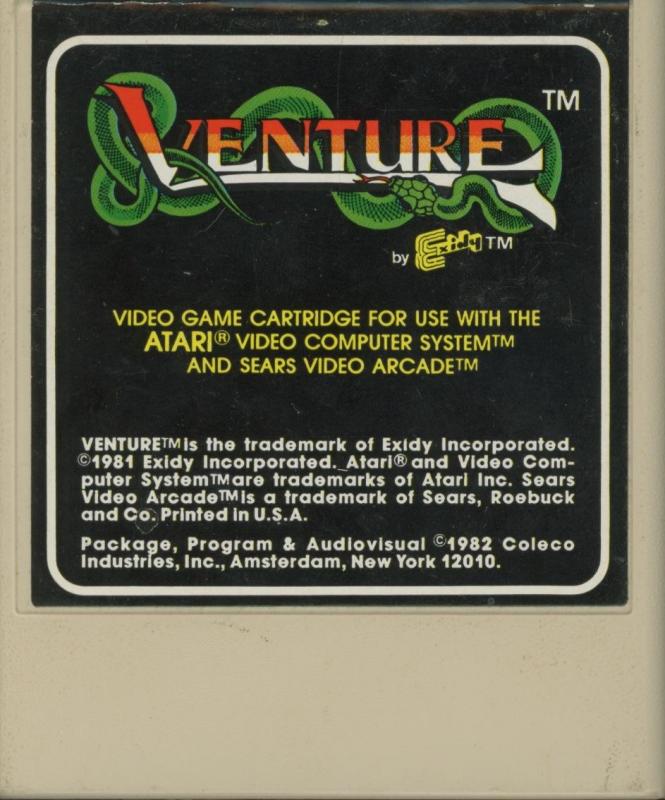
atari-2600-venture-c-caixa-manual-original-coleco-22241-MLB20226296654_012015-F

Not the actual image of the Ebay sale, there was no box with mine—just liked this one.

Ebay Seller’s Description:

ATARI 2600 “VENTURE” Vintage Video Game Cartridge! Coleco. Very Good condition, includes manual, fully tested, works great!

COMBINE SHIPPING IS AVAILABLE!! $1.00 FOR EACH ADDITIONAL GAME FOR US SHIPPING, $2.00 FOR EACH ADDITIONAL GAME FOR WORLDWIDE SHIPPING!!

CHECK MY OTHER LISTINGS FOR MORE VINTAGE VIDEO GAMES!! I AM SELLING OFF MY WELL-LOVED PERSONAL COLLECTION!!

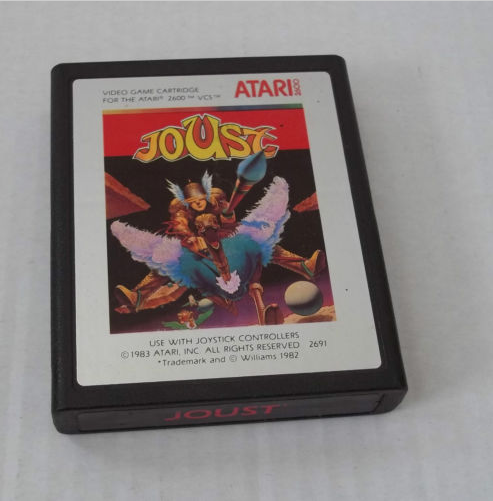
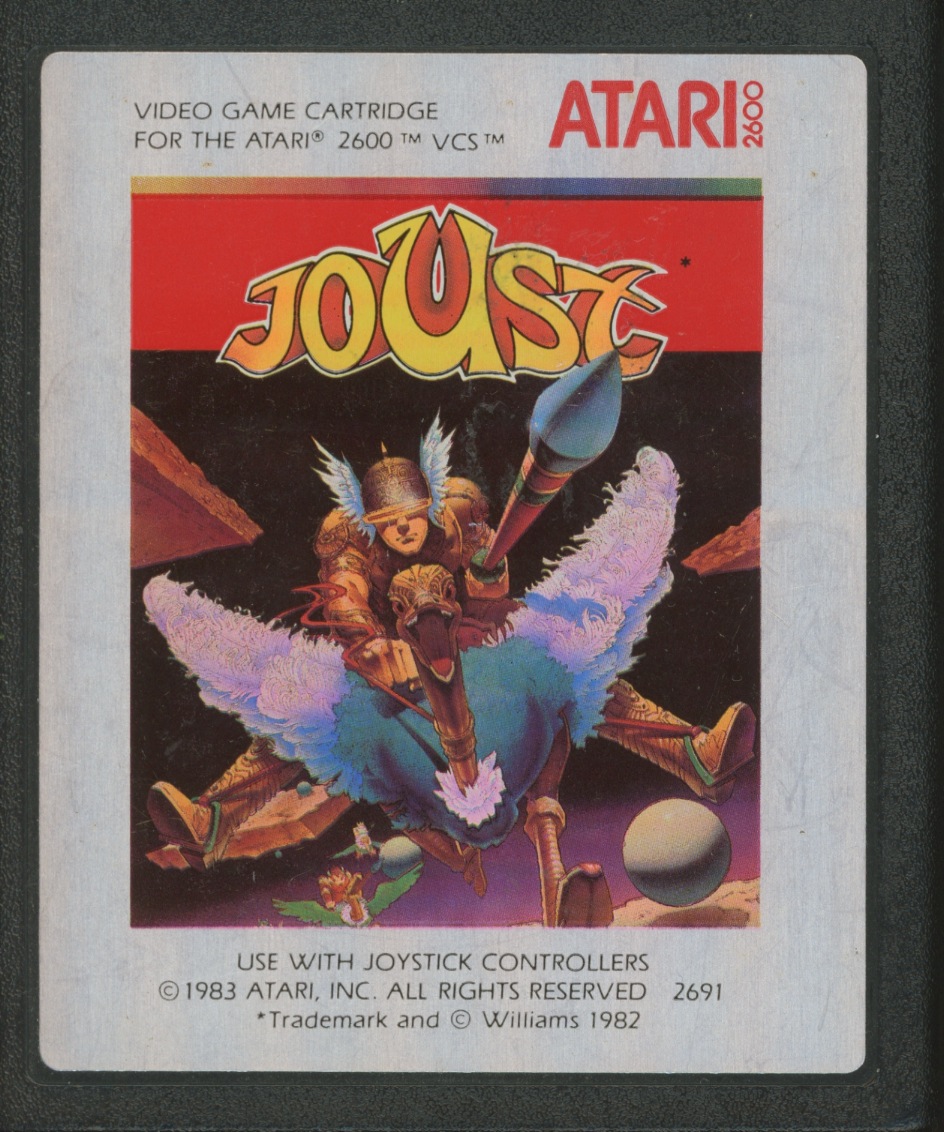
Joust Atari 2600 Cartridge

Ebay Seller’s Description:

Vintage Atari 2600 game

Game is in overall good condition….

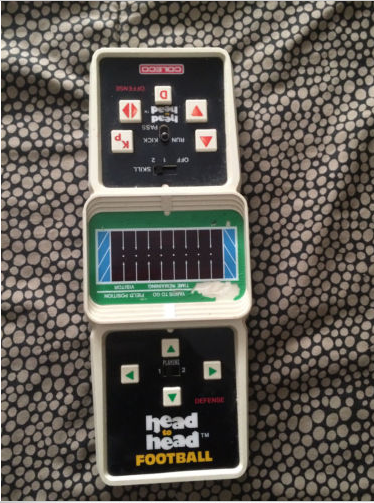
Coleco head to head football

Ebay Seller’s Description:

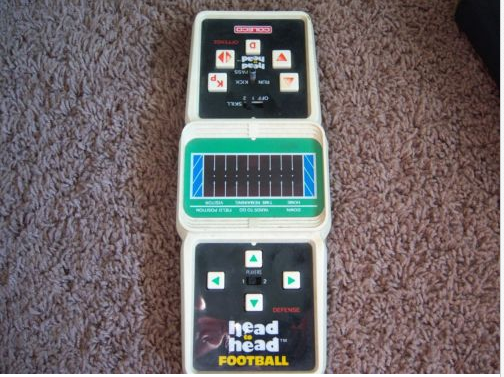
Vintage Coleco Head to Head Football game. Classic game from the early 80’s. Perfect for the collector or for any man cave. Made in the USA! I put a battery in and the game lights up and everything seems to work fine. Lights, sounds, and buttons all work fine. Feel free to ask any questions. Good luck bidding!
Ebay Seller’s Description:

Fun.

IMG_9234_0002

Ebay Seller’s Description:

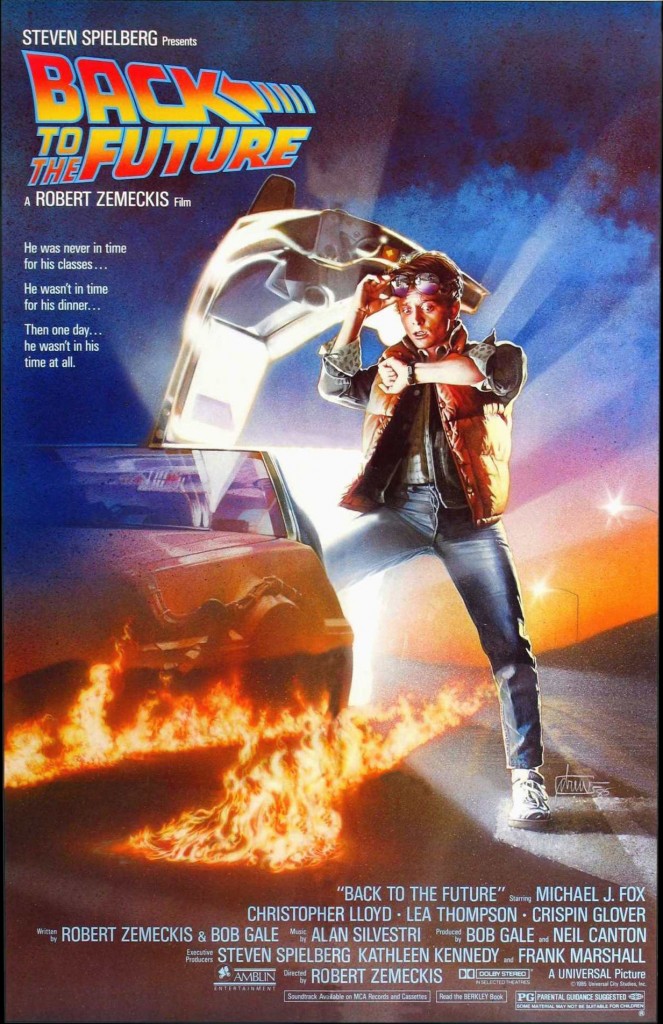
Back to the Future poster

Ebay Seller’s Description:

Brand New. 24×36 inches. Will ship in a tube. Reproduction of aged original vintage art print. Great wall decor art print at a fraction of the cost of an original art print.

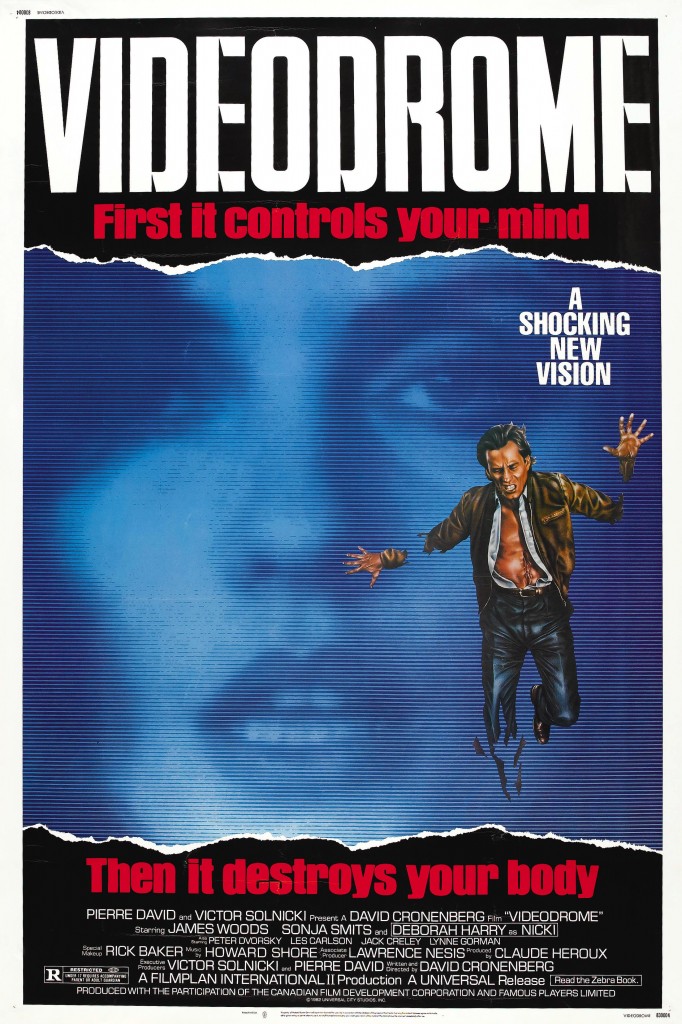
videodrome_poster_01

Ebay Seller’s Description: No description relevant to this particular poster.

[I bought a second one of these because I have issues, just like with the Venture cartridge.]
Screen Shot 2015-04-12 at 2.32.31 PM

Ebay Seller’s Description:

Vintage COLECO handheld game Head To Head football. TESTED AND WORKS.
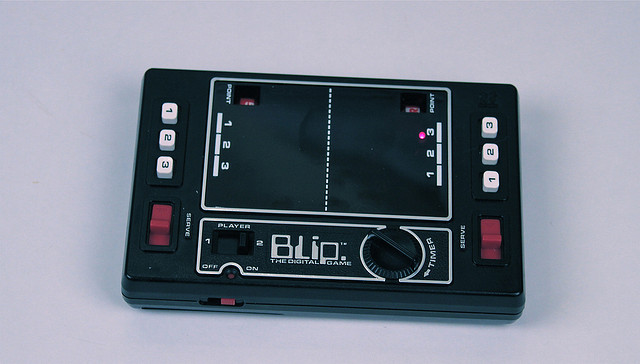
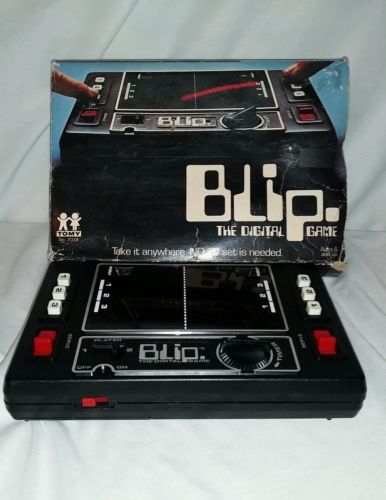
Blip: The Digital Game

Ebay Seller’s Description:

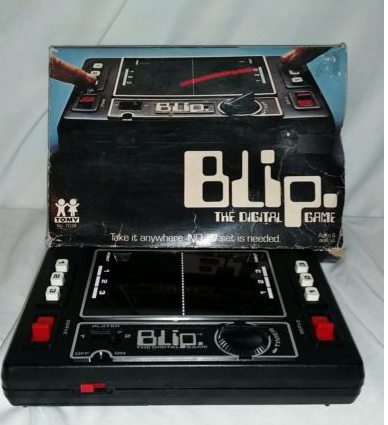
1977 blip digital game with original box. Game is in working condition. Display has very minor scratches but no cracks or major issues. Box is damaged and has old tape marks but still useable. Requires 2 aa batteries.

When all is said and done, I spent about $200 for everything listed above. That’s it for Ebay, but that’s not it for my rash of 80s technology consumption for the betterment of UMW’s students 🙂  Given this has taken me far too long to create and it’s already TL;DR, I’m going to stop here and list my non-Ebay purchases in my next post. This might even become an on-going hauling-esque list series of the bava.
Posted in Console Living Room, Uncategorized | Tagged , , | 3 Comments

UMW Groks GIFs

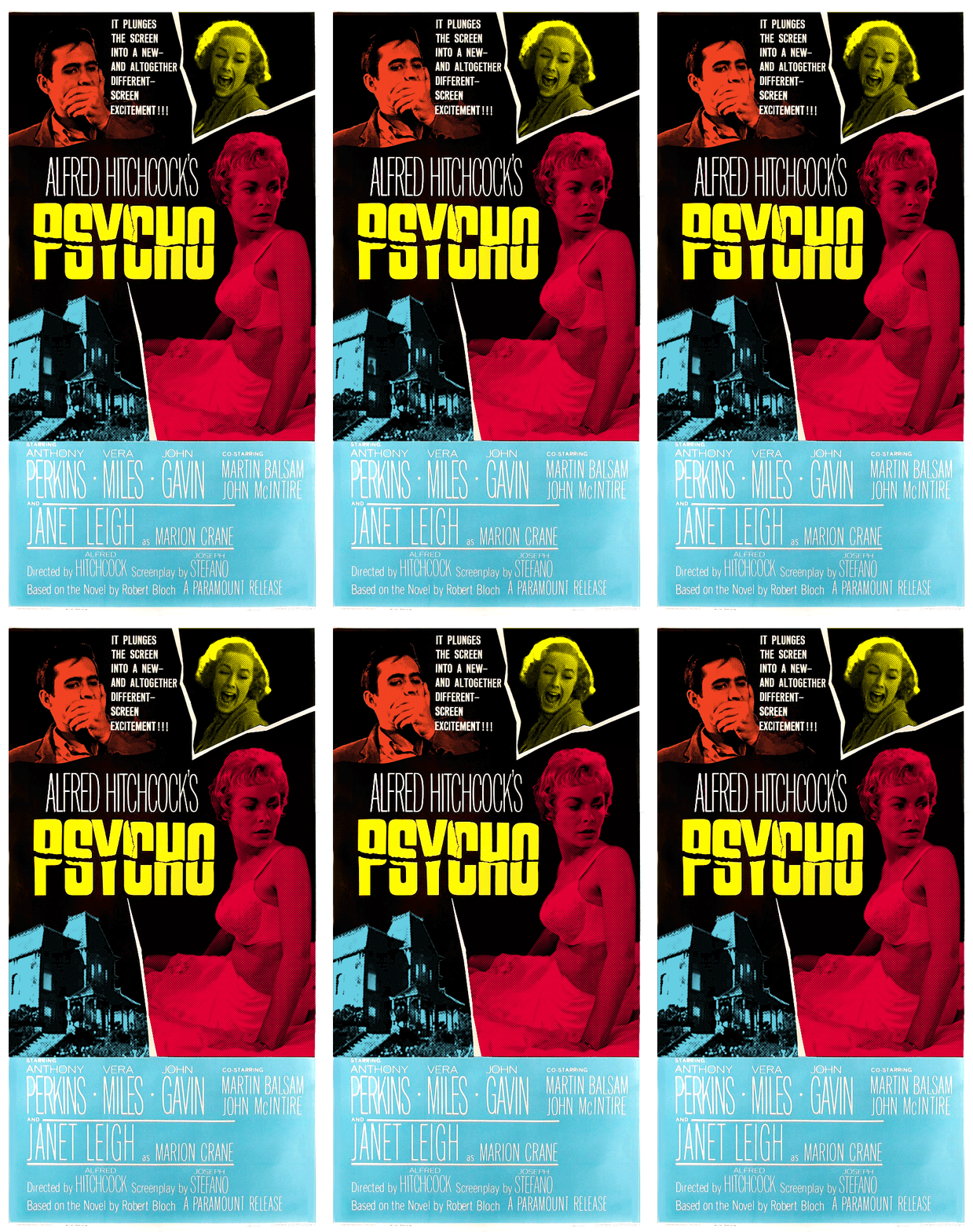
Following up on my last post, Michael Branson Smith‘s Animated GIF presentation and workshop will take place at UMW from 1:00 to 2:30 PM this coming Tuesday, April 14th. Michael’s GIFs are poetry in motion, his Hitchcock Animated Movie Posters series may be some of my favorite GIFs ever.

MBS’s Psycho animated GIF movie poster

His vision for the GIF is equal parts playful, interrogatory, and existential. It’s an absolute thrill to have him coming to UMW to talk about remix culture and lay down some animated GIF lycanthropy! I think we’re a culture in the midst of being transformed by this new, animated vernacular of the web.

This workshop will be happening in the Incubator classroom on the 4th floor of UMW’s brand new Information and Technology Convergence Center (ITCC). I’m hoping the occasion will provide us an opportunity to experiment with some of the myriad possibilities that room provides, such as live streaming and archiving this session. I’ll be sure to make an announcement once we shore this up, but in the meantime below is the description, don’t miss it!

I Grok GIF: An Immersion in the Art and Language of the Animated GIF

They are a dancing banana, a moment in a Stanley Kubrick film, a reaction that says how you feel, or a near miss death defying experience – all repeated endlessly. Sometimes they pause to let you reflect on a moment and sometimes they they move so fast and brightly, they come with seizure warnings. They are bits of internet ephemera shared a million times over in dozens of social media networks and they are an emergent art form selling for real money. They are 256 colors per frame. They are animated GIFs.

Web artist and GIF evangelist, Michael Branson Smith gives an overview of the art, history and spirit of the 28 year old and yet forever young (and looping) Graphics Interchange Format. Bring your cameras, laptops and smart phones so that you too can ‘merge, blend, intermarry, and lose your identity in the GIF experience.’

Posted in Console Living Room, digital storytelling | Tagged , , , , | Leave a comment

Now for Our Feature Presentation

This Monday and Tuesday Michael Branson Smith (MBS) will be spending two days embedded in UMW’s Console Living Room. He’ll be meeting with four different courses and giving two workshops on remix culture and animated GIFs for the UMW community while he’s here. But before the marathon begins, first thing Monday morning we’re going to get the TVs in the living room broadcasting some period appropriate network content. MBS linked to the above intro for the first time Star Wars broadcast on HBO in the winter of 1983. The aesthetic really captures a time and place between the marquee, fonts, music, and narrator’s voice. It reminds me how much network TV and cable are a huge hole in the time machine that is the Console Living Room. Luckily, MBS’s visit is going to help us rectify that.

After seeing the HBO intro, I was intrigued enough to do some digging. According to the Television Obscurity site, the premier of Star Wars on HBO was a bust:

HBO showed the film during the winter of 1983 and was disappointed at the lack of interest, due to the earlier pay-per-view showings and the film’s release on video cassette. Star Wars failed to rank amongst HBO’s top ten most popular films [14].

It’s interesting to see that by 1983 the VCR was making its presence known to cable companies—the idea of having control over what movie you wanted to see and recording what’s on air would have been two big advantages of the VCR. Also, does it strike anyone else as crazy that there was pay-per-view in over 500,000 homes as early as September of 1982? That’s when Star Wars was first broadcast into U.S. homes. I had no idea. I’m looking forward to to thinking through a bunch of this stuff and more with MBS while he’s here. I’m beginning to feel like what was a small, seemingly harmless idea for an exhibit has become and all encompassing monster akin to the Killer Tomatoes! Which just so happens to be one of the first movies I saw on cable back in the day.

Anyway, I am loving that the Console Living Room has become a lens through which the UMW community can explore the idea of media convergence—something increasingly at the core of our collective identity. Here’s the email Zach Whalen and I sent out to all faculty and staff on campus yesterday, I wonder what the hell they think about the living room 🙂

This Monday and Tuesday, April 13th and 14th, there will be two events in the Console Living Room, an anachronism on the 4th floor of the ITCC building that reproduces a living room from 1985. The first of the two events will be the official opening of the interactive exhibit on Monday, April 13th from 4 PM – 6 PM. You are invited to join us for some pizza, Atari 2600 games, an informal discussion of the particularities of media convergence in the 1980s. Everything in the living room is meant to be sat on, watched, played with, and/or read. We hope you join us in this time capsule back to the future of media convergence. What’s more, we would love it if you passed the news of the Console Living Room on to your students, co-workers and colleagues.

In between games of Space Invaders and Pitfall, we will also be running a workshop to capture and remix various elements of the exhibit. This will provide a hands-on exploration of the various artifacts, but also an introduction and examination of the emergence of read/write culture from the 1980s until now.

On Tuesday, April 14th, in ITCC 407 from 1-3 PM media artist Professor Michael Branson Smith will be hosting a workshop on the art of the Animated GIF. Please note this will be a hands-on workshop so bring your computer and prepare to make some art. If you are interested in learning how to make a GIF, be sure to bring your computer and download the free applications GIMP and MPEG Streamclip before arriving.

I am so looking forward to this!

Posted in Console Living Room, TV | Tagged , | 2 Comments

Blip: the Digital Game?

https://www.youtube.com/watch?v=DB-jyKJ3mEE

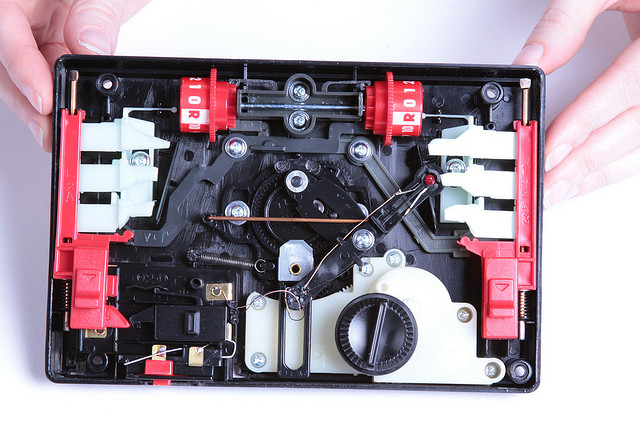
I made yet another impulse buy on Ebay, this time for the hand-held, pong-like game Blip. It billed itself as a portable, TV independent, and digital game. Two out of three ain’t bad. There is nothing digital about Blip, and I am fascinated by this because the aspiration to the digital label represents a broader shift in the mid-1970s when this game came out. Atari’s home version of Pong, which was TV dependent, was an obvious influence from 1975. Although it should be noted Pong was actually digital. Blip, on the other hand, was entirely electro-mechanical, with a rotating LED. Atari 2600 was released in 1977, the same year as Blip. The cache of being digital, even though few people understood fully what that term meant, must have been a marketing strategy.

4345985196_3fd0a3bbe9_z (1)

Image credit: “blip – 07” Windell Oskay

I found this awesome video about how Blip works, as well as a superbly detailed post, by Windell Ostay on the Evil Mad Scientists blog. He breaks down the mechanics of how Blip works by opening the game up, and it’s pretty impressive.

Image credit: Windell Ostay "blip - 14"

Image credit: Windell Ostay “blip – 14”

While the gameplay is mediocre at best, the idea of this machine being touted as “the digital game” when it’s clearly analog is what’s most interesting to me. The game embodies a kind of cultural confusion around the idea of digital media in mass-produced consumer goods, and this is something the marketers are exploiting. This is particularly relevant as it relates to toys given this is the moment when Atari 2600 would introduce an entire generation of kids to the world of the digital for the first time.

Posted in Console Living Room | Tagged , , | 2 Comments

API & Domains Summit

On June 3rd and 4th BYU and University of Utah will be co-hosting a two day unconference around APIs and Domains in Salt Lake City.  The idea is to join a bunch of folks who want explore how APIs can help to reshape IT services and infrastructure for higher education, a la the University API. In addition,  Phil Windley thought it might be fun to marry this event with some of the Domain of One’s Own work we have been doing at UMW and beyond. With Kin Lane kicking off the event, it will feel a lot like a Reclaim Your Domain event, so how could I resist?
I’m planning to continue my long and painfully slow education around APIs, as well as aide and abet anyone interested in exploring a Domain of One’s Own project. In particular, how might such a project bolster a conversation around digital fluency and digital identity at your institution? How can we build  a trojan horse like the e-portfolio to get it on campus? How might we start understanding personal web space in relationship to broader questions of privacy online and ownership in the digital age?  I’m hoping folks like David Morgen at Emory University, Kristen Eschelman at Davidson College, Adam Croom and Mark Morvant from Oklahoma, and others can make it to share their own experiences—as well as for a pow wow amongst institutions currently in the thick of running Domains. If you are serious considering a domains project, this event is an opportunity to feel it out and get some focused time to consider your options, ask questions, and even get a sense of the broader picture. See the eventbrite page, or reach out in the comments or via email for more details.

Posted in Domain of One's Own | Tagged , , , | 1 Comment

Programming the Past: Integrating Network TV into #umwconsole

Early next week Michael Branson Smith (MBS) will be coming down to Mary Washington to help us get 1985 network  TV broadcasting in the Console Living Room Exhibit. That’s right, we’ll actually be creating at least one—and hopefully more—channels that are programmed with shows and commercials from 1985 that will actually be transmitted to the TVs in the exhibit. Awesome, right? MBS has been testing it out, and he provides a quick demo of the setup in the following video:

MBS has a Rasberry Pi that will automatically download YouTube videos from a playlist and then via the video out will transmit them through the HLLY TV Transmitter (I have my very own en route as I write this) on a specified channel that will then be picked up by the TV antenna. And seeing and hearing the Super Friends play through that television in the video is a blast from the past that is just the beginning of the madness. MBS has started a Saturday morning cartoon playlist from the era.

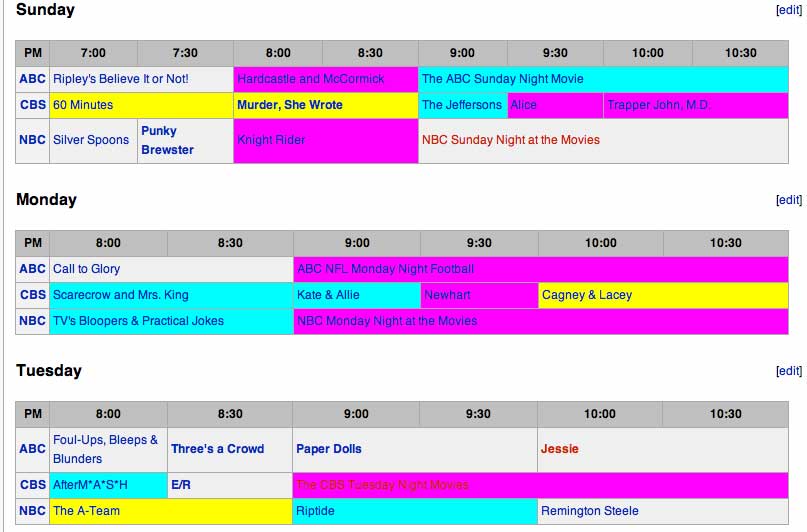
Watching the quick demo and perusing the playlist, I remembered a post from back in January 2008 in which I marveled about the fact that Wikipedia has a “comprehensive list of U.S. network TV schedules.” Coincidentally, the screenshot I took for that post featured the primetime network lineup for the 1984/1985 season. Could it have been a bava premonition of what was to come? More than seven years later I am seriously toying with the idea of trying to program an entire day—or week? month? year?—of network TV for the exhibit. It would take about four or five more TV transmitters, some serious research, and a ton of YouTube downloading (amongst other media resources) to do this, but it would be the next level of media studies for the console living room.

Additionally, I think such a setup could help make the argument that this exhibit is not just a nostalgic sideshow or cultural curiosity, but an example of what’s possible in terms of embedding a cultural media moment in an academic community for an extended period of time as an object of ongoing study. Such an approach would be a pretty compelling and unique way to study the history of media convergence, and much of it is made possible by the very changing nature of technology that is the object of study. That’s some high level shit right there.

Posted in Console Living Room | Tagged , | 1 Comment

Hannah Arendt

Hannah-Arendt-Hannah-e1370541803454

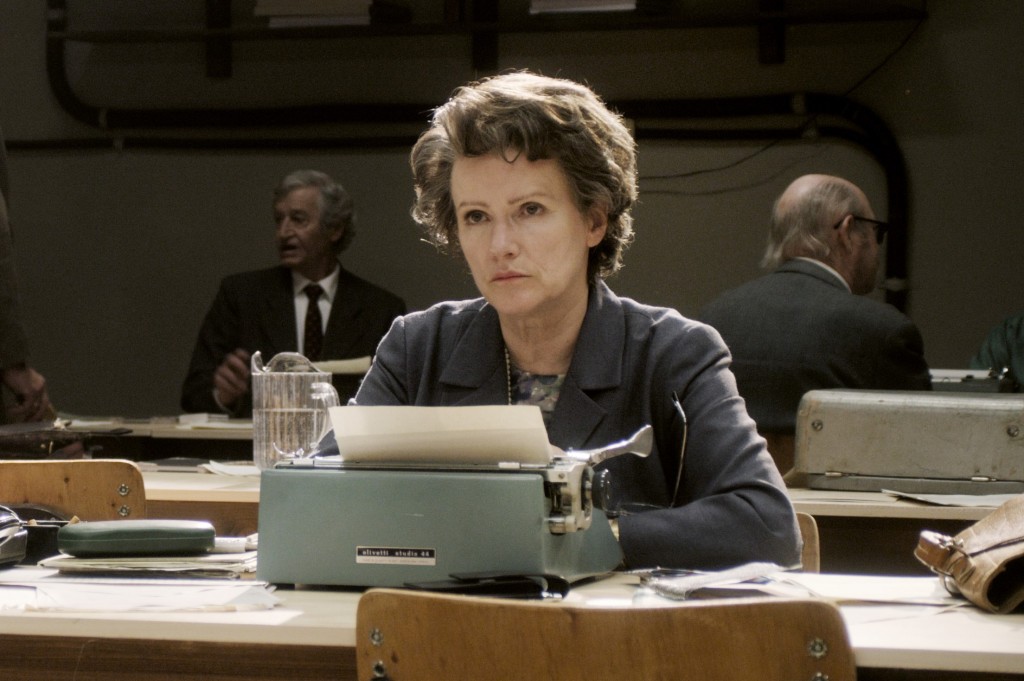
While I am writing about movies I haven’t been able to stop thinking about, I recommend Margarethe von Trotta’s 2012 film Hannah Arendt—you can find it on Netflix in the U.S. at the moment. The film centers around Hannah Arendt’s coverage of Adolf Eichmann’s Trial in 1961. The movie highlights how controversial her argument that rather than a psychopathic monster, one of the chief architects of the “Final Solution” was fairly innocuous and somewhat stupid. His claims that he was simply following orders did not strike Arendt as a calculated excuse for his actions, as much as it provided an insight to the more subtle, quotidian horrors of totalitarian regimes and the institutional dehumanization of those who live and work within them.

She formulated this phenomenon, which she termed the “banality of evil,” in a series of articles for the New Yorker that were then published as a book: Eichmann in Jerusalem: A Report on the Banality of Evil. The violent reaction to her thinking is a focus of the film, and highlights how unpopular her theories were and how hysterical the backlash became. Theories that would be seen as gospel just a few years later when the Stanford Prison Experiment exposed the “impressionability and obedience of people when provided with a legitimizing ideology and social and institutional support.”

After being asked to resign her teaching position at The New School, the film’s climax features a stirring  seven minutes speech by Arendt (played brilliantly by Barbara Sukowa) in which defends her position. Not too often you get a dynamic and compelling film about a 20th century intellectual titan like Arendt that focus upon the imperative of critical thinking to be human. In her rousing defense of her work, she claims Eichmann, as well as innumerable other “normal men and women,” surrendered their inability to think to the Reich, and that is what made the Holocaust possible.

This inability to think created the possibility for many ordinary men to commit evil deeds on a gigantic scale. The like of which one had never seen before.

I picked up my unread copy of Eichmann in Jerusalem I bought at UCLA back in 1993, and I am working my way through it. One of the trippy things I discovered after watching the film, which intercut actual footage from the trial, was that hundreds of hours of film and translation of the trial are freely available on YouTube. The archive is at your disposal.

Posted in movies | Tagged , , , | Leave a comment

The Sorcerer’s Bridge Scene

Since watching William Friedkin’s 1977 film The Sorcerer a couple of weeks ago, I haven’t been able to get the bridge crossing scene out of my head. The clip above is just one small piece of an almost ten minute filmic odyssey of two trucks carrying nitroglycerin attempting to traverse a dilapidated rope bridge. It’s about as compelling a scene as I have ever seen, and while watching it I couldn’t help but think the whole time: how the hell did they film this? It is so precarious. The journey of the trucks through the South American mountains foreshadows Werner Herzog’s Fitzcarraldo (1982), a film which features a rich rubber baron’s quest to pull a steamship over the Andes using human labor.

What I found interesting about the Wikipedia article for The Sorcerer—besides the fact it was Tangerine Dream’s first soundtrack, which sounds remarkably similar to a John Carpenter score—was that folks associate the commercial failure of this film with its concurrent release with Star Wars.

The film gained mixed to negative critical reception upon its release. Its domestic (including rentals) and worldwide gross of $5.9 million[4] and $9 million respectively[15] did not recoup its costs. A considerable number of critics as well as the director himself attributed the film’s commercial failure to the fact it was released at roughly the same time as Star Wars, which instantly became a pop-culture phenomenon.[3][12][16][17] Some observers consider the success of Star Wars and the box-office failure of Sorcerer to be a starting point in the decline of the New Hollywood cinema movement and the beginning of a blockbuster-oriented era.[18]

I love the theory that the failure of The Sorcerer was a sign of a broader cultural shift away from a generation of films and filmmakers. From Friedkin and Coppola to Spielberg and Lucas. I’m sure there are many complex factors at work, but simultaneously sweeping and focused statements like this always capture my imagination. And as flawed as fixed moments of any passage between cultural states can be, I love this kind of scholarship—and film history does it better than most.

One thing that supports that theory, at least for me, is the experimental and loose narrative arc of the film in comparison to something like Star Wars. The first 15-20 minutes of The Sorcerer consists with four disconnected stories set around the world (Mexico, Israel, France, and New Jersey). They eventually come together in a remote South American village where an American oil company is exploiting the land and the people. The four down-and-out refugees we were introduced to in the beginning are given a kamikaze mission (almost an hour into the film)  tasking them to drive two trucks filled with nitroglycerin over a mountain to save the company’s gushing profits in the wake of an oil well explosion—that’s another crazy scene. The themes are arguably the same as Star Wars: imperial corruption, terrorism, exploited labor, etc. They’re just dealt with in a far more realistic manner with a dark sense of fatalism that would be the antithesis of the blockbuster film. The Sorcerer is an awesome film, but even awesomer when thought of as the final cry of an entire generation of Hollywood film makers that would soon be overshadowed by killer sharks and talking droids.

Posted in film, films, movies | Tagged , , , , , , , | Leave a comment

UMW’s Console Living Room: there is something that loves a paneled wall

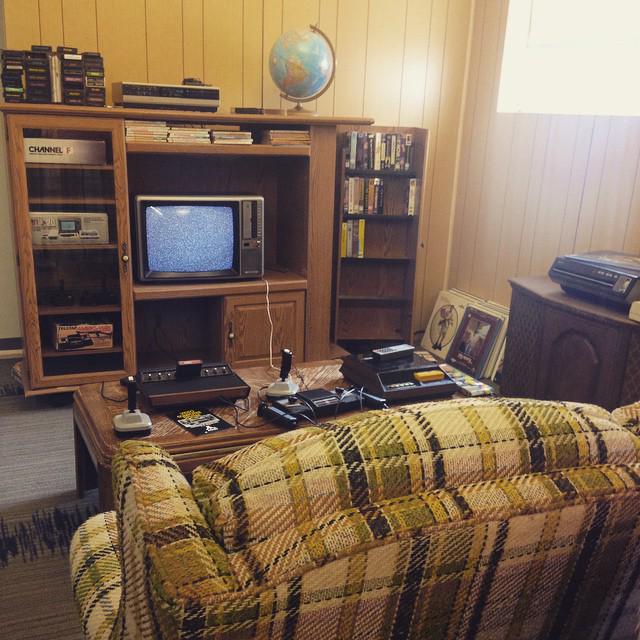
Console Living Room Image credit: Attilee

While it feels like I haven’t been blogging about the Console Living Room exhibit I’ve been working on with Zach Whalen and Michael Black, it’s pretty much all I have been posting about for the last month or so. I guess the difference is I’ve been using my Known site because it’s easier to capture and push shorter, media-based posts to various spaces like Twitter, Tumblr, and Flickr. I sometimes wonder why I don’t simply push my Known posts to the bava as well? Maybe because I imagine the bava more long form? Or is  it because I’m afraid it will be feed overkill? I guess I should remind myself that no one really reads this blog, and do whatever the hell I want. “Think different,” like Katie Thompson suggests UMW is ALL ABOUT when it comes to campus entertainment 🙂

Lofi #4life! Anyway, the Console Living Room rules, and Alison Thoet from UMW’s student newspaper wrote an excellent article on the interactive exhibit in today’s paper. The pull quote for me is the following descriptive passage of the living room that gives a good sense of the effect we’re going for:

The fourth floor exhibit is a showcase indeed. Enclosed in wooden paneling, the “family couch” is quite “Mad Men”-esque in its yellow-green plaid tweed. The brown wooden console holds an old television, VCR player and games, all across from the coffee table which houses the different, and rather aged game consoles. An old record player, foosball table, comics and other relics give the room an additional relic vibe.

Alison nails the aesthetic in her article, and I must say putting the various exhibit pieces together has been some of the most hands-on, old school fun I’ve had at UMW. Zach Whalen’s overview on the Console Living Room site succinctly frames the vision of the exhibit:

The living room recalls…the domestic convergence of consumer media technology [in the 1980s]. By making these games available in a public space, we are inviting students, guests, and the community to visit and interact with an earlier time.

The coolest part of the exhibit is it’s 24/7 for the next 2 months, totally open and accessible to anyone interested. Rather than treating these various pieces as rarified museum artifacts (which they aren’t), the idea is to set it all up and let it roll. No oversight, no rules, just good, old-fashioned 1985 fun in your parent’s living room. And major kudos to Zach who insisted on this approach; this stuff needs to be experienced to be enjoyed.

A broader impact of the exhibit that you need to experience on the ground is the fact that it is located in a 4th floor corner of a brand new, state-of-the-art Information and  Technology Convergence Center. The idea of embedding a time capsule of media convergence from the 1980s in this building makes the whole experience that much more powerful. The whole thing works far better than any of us could have imagined while dreaming it up just two months ago.

Image credit: Maggie Stough's Dad

Image credit: Maggie Stough’s Dad

It’s worth noting this really wasn’t planned. Zach and I start shooting around the idea in late January. We ran it by various folks to make sure we wouldn’t be stepping on toes, and then we brought on Mike Black and spent the next couple of months building it. It came together fast. No committee, no consensus building, just unadulterated nostalgia peppered with some escapism under the pretext of “that’s educational.”

The actual process of creating the exhibit was equal parts Ebay shopping, scouring the campus for resources, and set design. I’ll conquer them in that order.

Ebay shopping

Once Zach and I committed to the exhibit in early February, we both went to Ebay and started looking for old gold 80s technology. My first purchase was the 1981 25″ Quasar TV pictured below, thanks to a pro-tip from Michael Branson Smith. It was to be the centerpiece of the exhibit, but alas it blew some kind of convertor (the inside of an 80s TV is a scary thing) a few weeks ago and no longer works. I have become so obsessed with this piece that I brought it back to be fixed. And in the process made a deal for a Betamax player that should be ready next week.

Zach already had a bunch of the gaming consoles like the Atari 2600, NES, Telstar, etc., so after the TV I went searching for a 1980s VCR. Wildly enough, I found the model my family got in 1985, the Panasonic Omnivision—a fine, top-loading piece of Reagan-era machinery. This may be the most viscerally powerful piece in the exhibit for me on a deeply personal level; this is the technology that brought a wide range of films into my living room in ways that were heretofore impossible. An educational tool of the highest order, but oh so informal.

I also hit a local shop here in Fredericksburg and picked up a RCA Select-a-Vision and more than 50 video discs for $70.  I’ve written a bit about this doomed technology already, so I’ll just point you there rather than re-hashing.

Select-a-Vision with The Day After videodisc

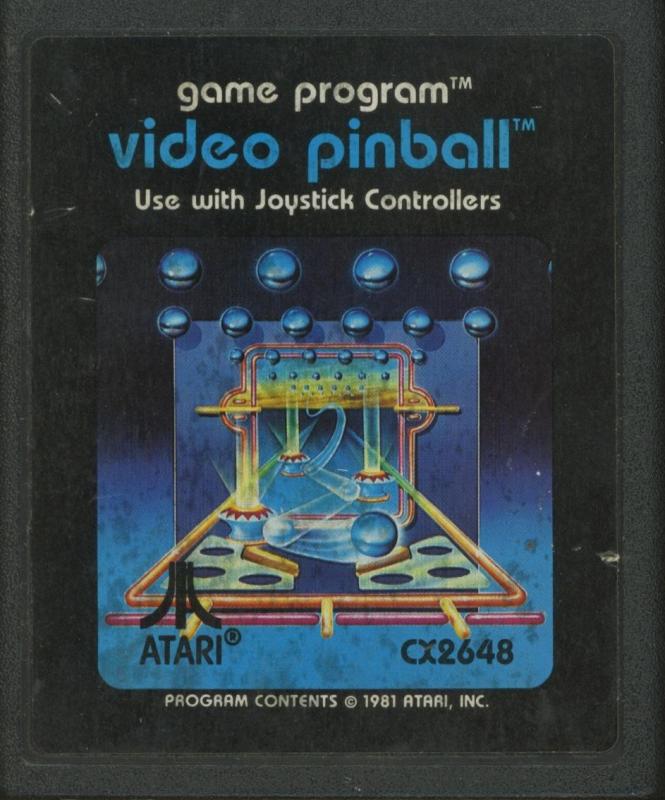
Once Zach brought the 2600 to my office as we started gearing up for the exhibit, my Ebay habits changed radically. I went on an Atari 2600 cartridge binge for some of my favorite games that we didn’t already have, below are some of them. Venture and Phoenix might be two of the best ports of the actual arcade versions of the games (another good port is Popeye, and I’m still working on getting that one—Ebay donation anyone?).

Despite what the purists might say, Video Pinball proved back in 1981 that the distinctions between the virtual and the physical are more imagined than real 🙂

Moon Patrol is a shitty port, but I couldn’t resist.

Joust was a brilliant port, the physics on this one are really, really good.

Jungle Hunt is another great port of the arcade version.

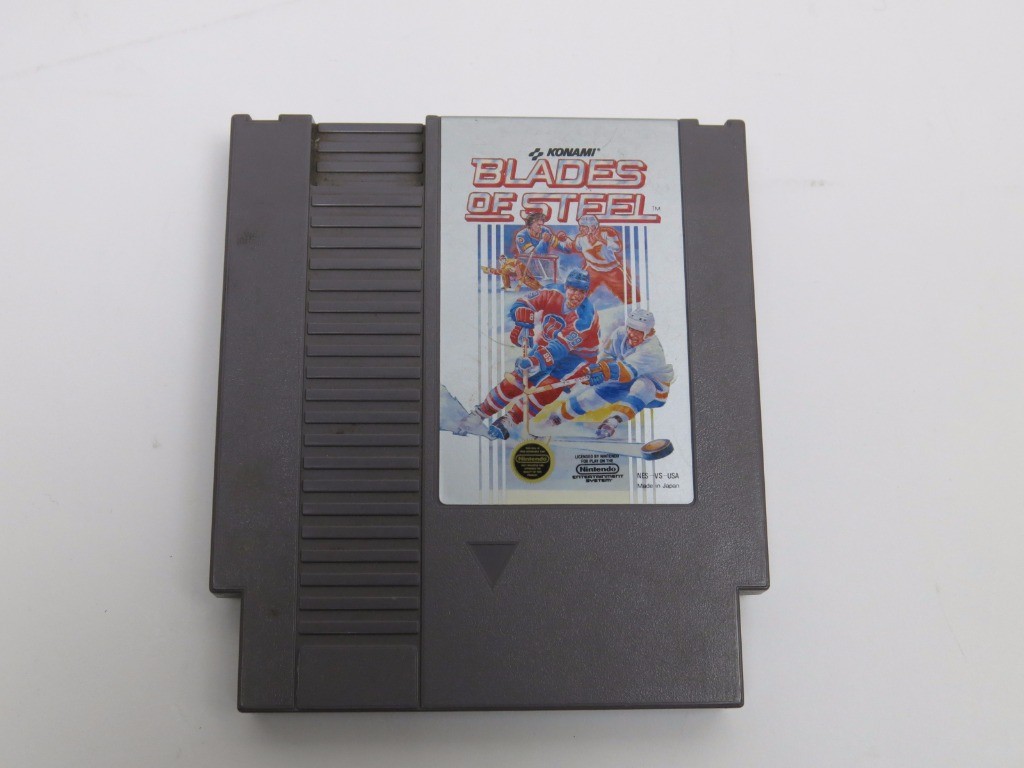
I went on yet another mini-spree when Zach brought over his NES system. He has Super Mario Bros, which is probably the most iconic of all video games. Period. But one of my all-time favorites video games was Blades of Steel for the NES—and it holds up beautifully.

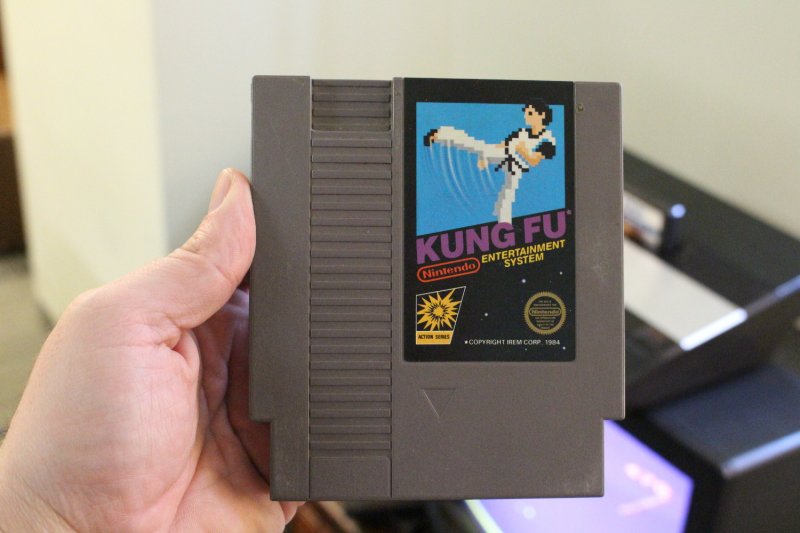
I also bought Kung-Fu for the NES, and it just arrived yesterday, need to get a scan of that one and add it to the Console Living Room inventory. More recently I’ve started to start searching out some of the handheld video games.

Coleco’s head-to-head football was one of my all-time favorite handheld games as a kid, and I was surprised how quickly Tommaso picked up on the gameplay. It is stands up fairly well, and he spent a better part of a Saturday morning doing touchdown dances around the living room.

I just won a Tomy “Blip” game which should arrive sometime next week.

Tomy Blip

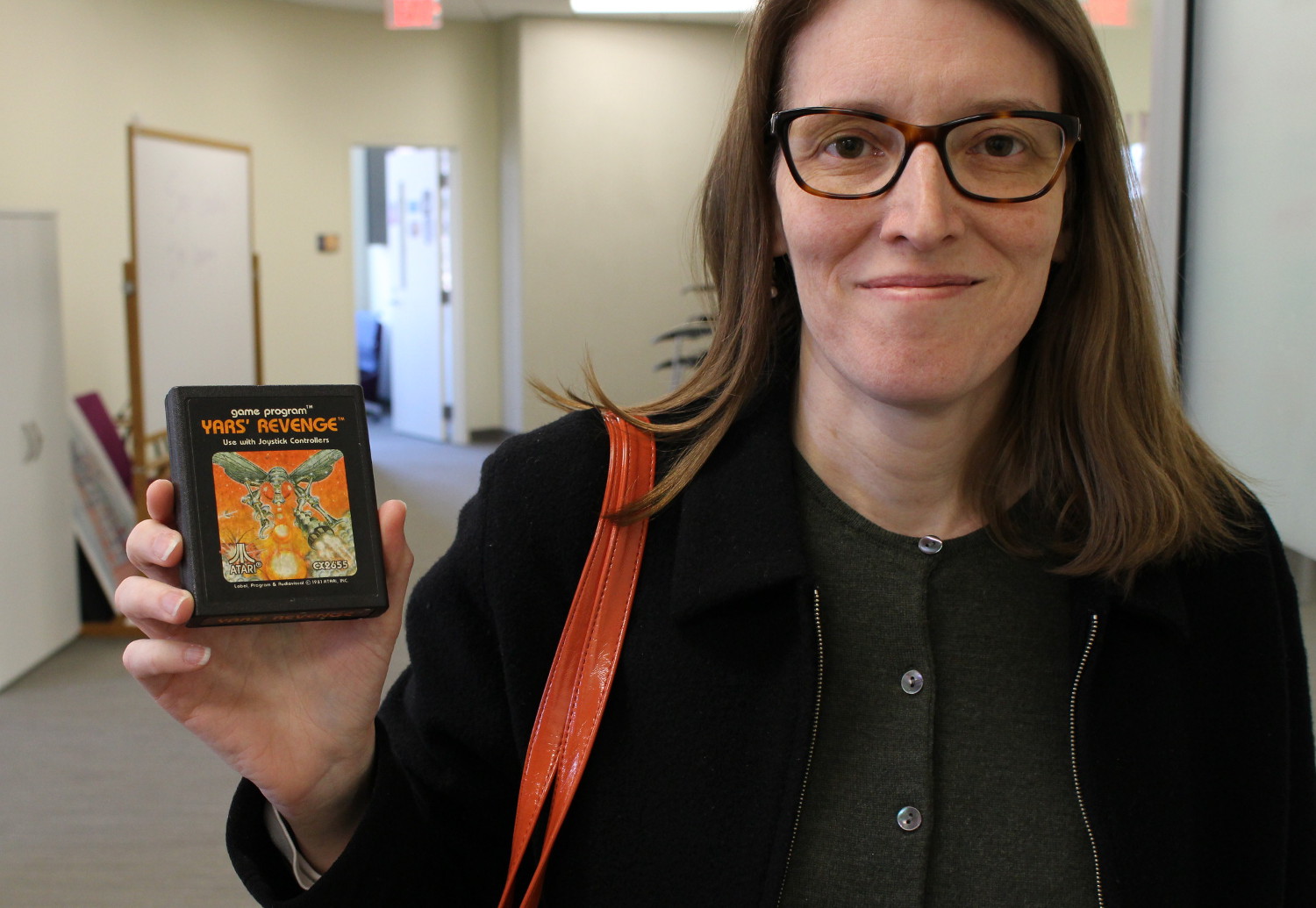
Another cool element of the Console Living Room is we invite folks to donate some of their own favorites to the exhibit. For example, UMW History professor and Tumblr extraordinaire Sue Fernsebner was a Yars’ Revenge fan (one of the most trippy, abstract Atari games ever) so she brought it by for all to enjoy. How cool is that?

yars_revenge_fernsebner

UMW Class of 2008 alum and former DTLT student aide Joe MacMahon bought us Asteroids for the 2600 because he rules!

We’re taking any and all donations. We understand this exhibit is incomplete. What’s more, we fully acknowledge it’s biased towards 11 year old boys, so help us rectify that with your generous donations 🙂

Scouring Campus

A big insight from this experience is just how many resources universities provide their community. I know this observation seems ridiculously obvious, but despite working at one or another university for over 20 years I still forget that simple fact.

We got 95% of the furniture from UMW’s Storehouse (a warehouse of surplussed furniture and equipment). We got really lucky with all the period appropriate pieces. The pattern love seat is pitch perfect, not to mention the foosball table, coffee table, entertainment center, etc. All furniture waiting to be disposed of that we’re able to repurpose and re-inspire life into. This was particularly sweet because we spent almost all of February buying technology, but had no furniture at all. After one trip to the storehouse in early March, we realized this was actually going to work.

We also put an early call out for tech and furniture from the UMW community, and Becky Bezdan in the Student Affairs office loaned us a gorgeous 1977 19″ Zenith Chromacolor II which has become the corner piece of the exhibit.

thumb_800

Theater Set Design

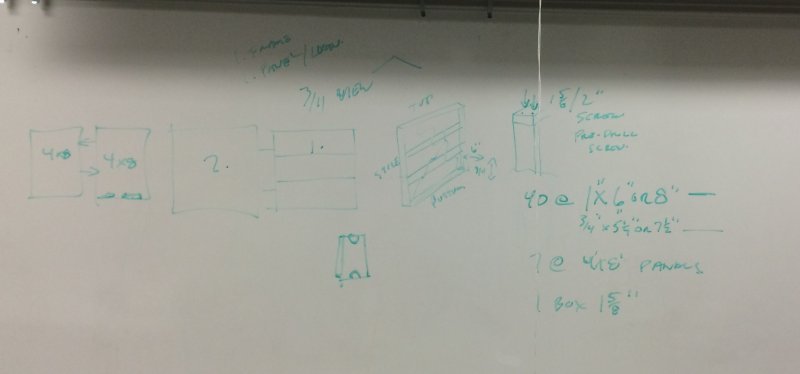
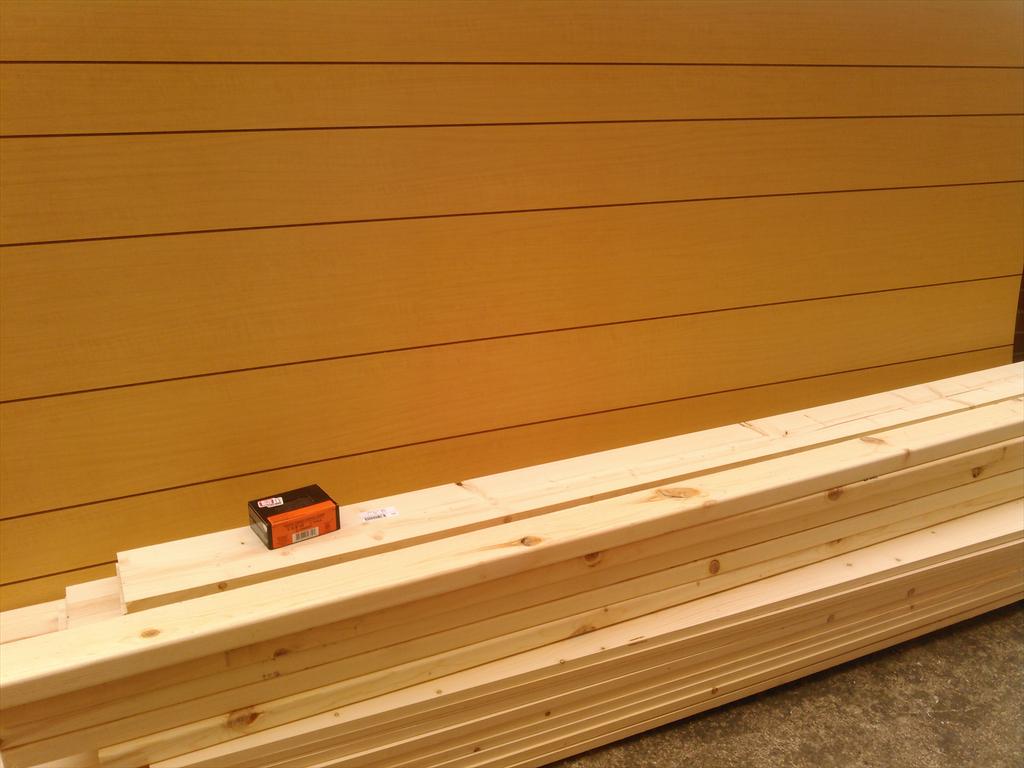
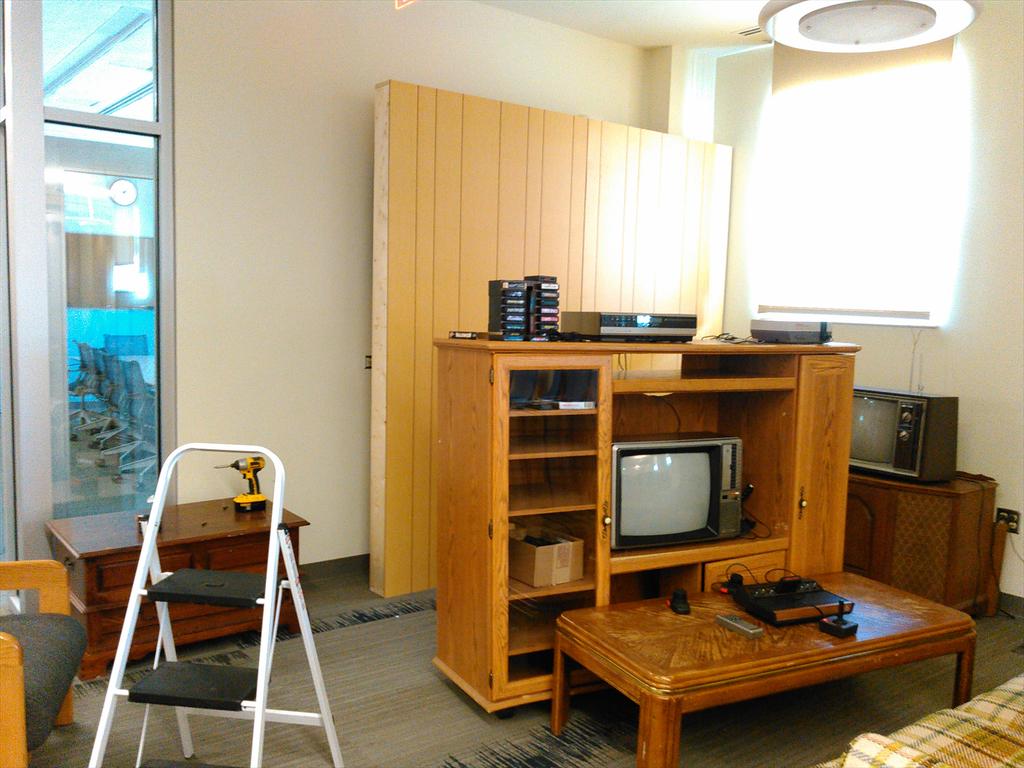
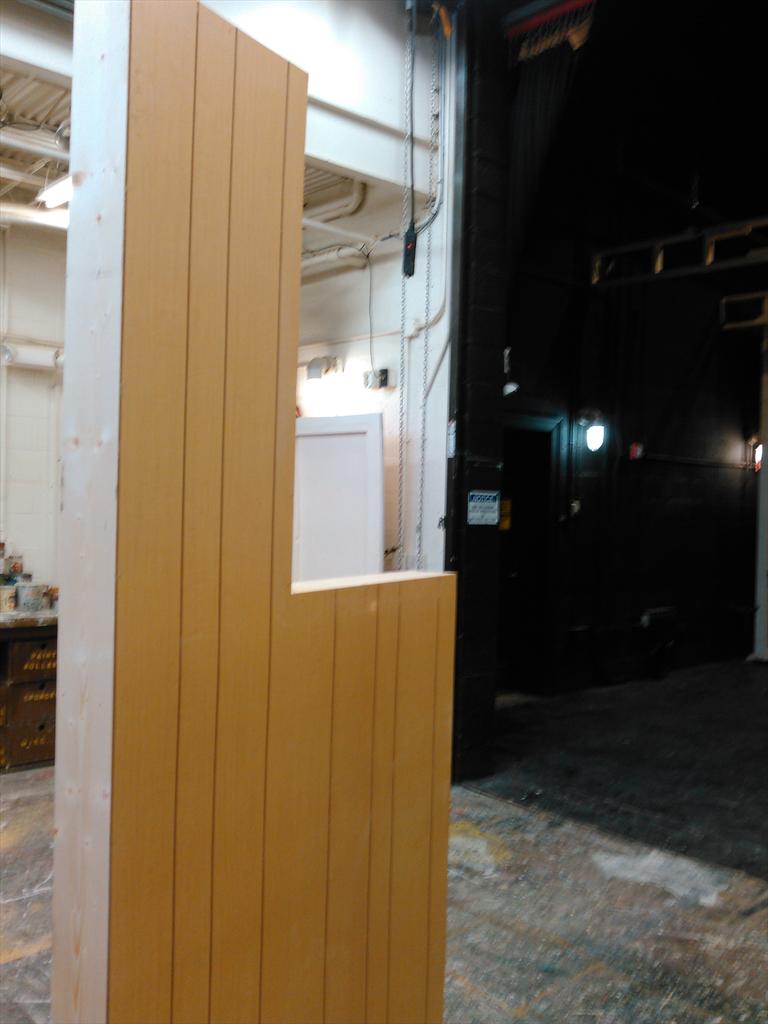
While most of the exhibit is made up furniture we salvaged and technology we had or found on Ebay, there is one element we truly created: the panel walls! We needed a frame for all the tech and furniture, and the idea of fake walls with wood paneling was the cherry on top. But how to do it? Again, another lesson about how much expertise we have on our campus. The scene prop foreman for UMW’s Theatre department, Kenny Horning, was more than generous with his time and expertise. He came by the area we wanted to build the exhibit and explained what Hollywood flats are and how much material we would need to build the walls. He even drew out plans on a whiteboard:

thumb_800Armed with this new-found knowledge—and a bitchin’ set of tools thanks to Kenny—we went out and bought the materials.
CBIo2EPUQAAEzJ2

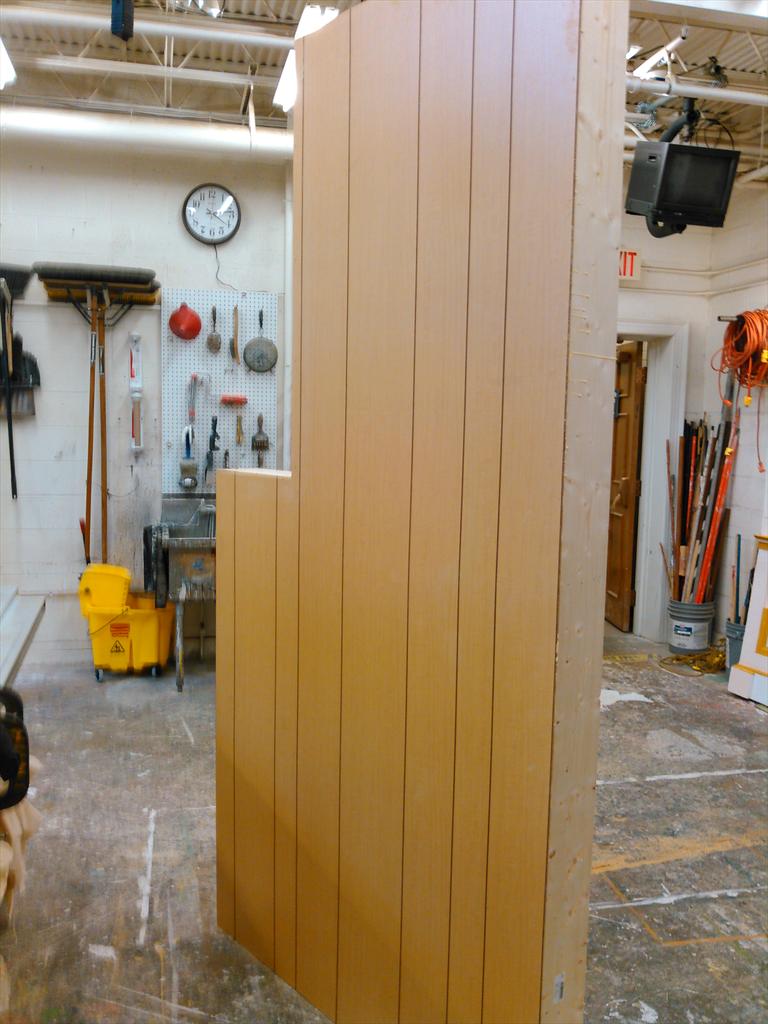
The backstage of the UMW Theater was bustling with student activity as they were polishing off the set for their new production Lady Windermere’s Fan. It’s a really cool space, and they have all the tools you could ever want. Kenny took us through building a 4′ x 8′ flat, and we used that as the template for the walls we built. Zach and I spent the better part of a Saturday afternoon getting the walls built, with some help from Creative Writing professor Jon Pineda—who rules.

CBM4MVnUgAAHAe9

CBNLPzMUMAAroUc

We even had to frame out around a window, which was fun and challenging. I think the building of the walls was the most rewarding part of the exhibit for me. To actually build them, and then see how thoroughly they transformed the living room into a time capsule was really amazing.

CBNeRduW4AAq3Z2

Zach came back Sunday and polished off the walls, and we did some final details on Monday morning. In the end, we met the March 30th opening date, and so far the response has been really positive. The wood paneling just showed how #4life we are when it comes to rebuilding 1980s living rooms. The exhibit is evolving, so we will continue to add pieces, accept donations, and effectively watch it grow over the next two months.

Michael Branson Smith will be coming down to UMW on April 13th and 14th and help us actually transmit YouTube videos of TV shows from the era over the analog VHF 77.25MHz (ch. 5) and 175.25 (ch. 7) using a Hilly TVX-50M television transmitter. What’s more, MBS will be doing a Remix workshop for students and faculty centered around the exhibit. So good.

As you probably can tell if you’ve made it this far in this War and Peace length post, the exhibit has been the rabbit hole I fell down this semester. I don’t regret a minute of it. I’ve had a total blast and got a new found respect for the work various folks do around campus, at the same time I was able to indulge my penchant for nostalgia.

Posted in Console Living Room | Tagged , , | 10 Comments

Completely Unreliable Assholes

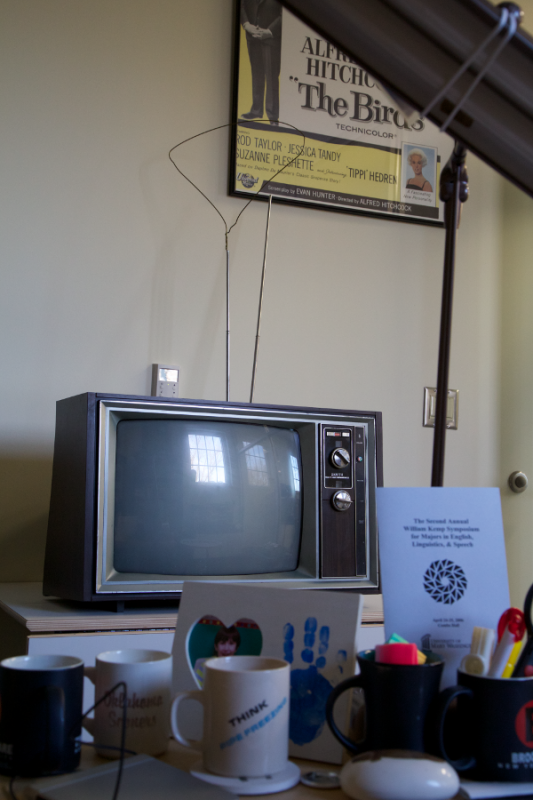
In a movie filled with some truly great moments, this inane exchange between Halloran and Larry might be where you can see/hear Kubrick in The Shining most clearly. Plus, the office details remind me of the Console Living Room exhibit here at UMW.

Posted in film | Tagged , , | 5 Comments